 16. October 2024
Electrical Safety Tips for Children’s Rooms, Part. 2.
It is the natural desire of any parent to give their kids the finest life possible. This type of care and attention is provided from large-scale plans to the smallest details. Children must be shielded from hazards within the home that could compromise their general health. Parents should know that electrical safety for the child’s room is one of the most crucial safety measures. See part 1
Children’s Room Checklist for Electrical Safety
Useful advice for evaluating the electrical safety of a children’s room
- Avoid putting metal objects into appliances.

Toasters and other electrical appliances should not have metal things like forks, knives, or screwdrivers inserted into them. Metal conducts electricity, which could result in electrocution or shock.
- Avoid Tampering with Plug Sockets

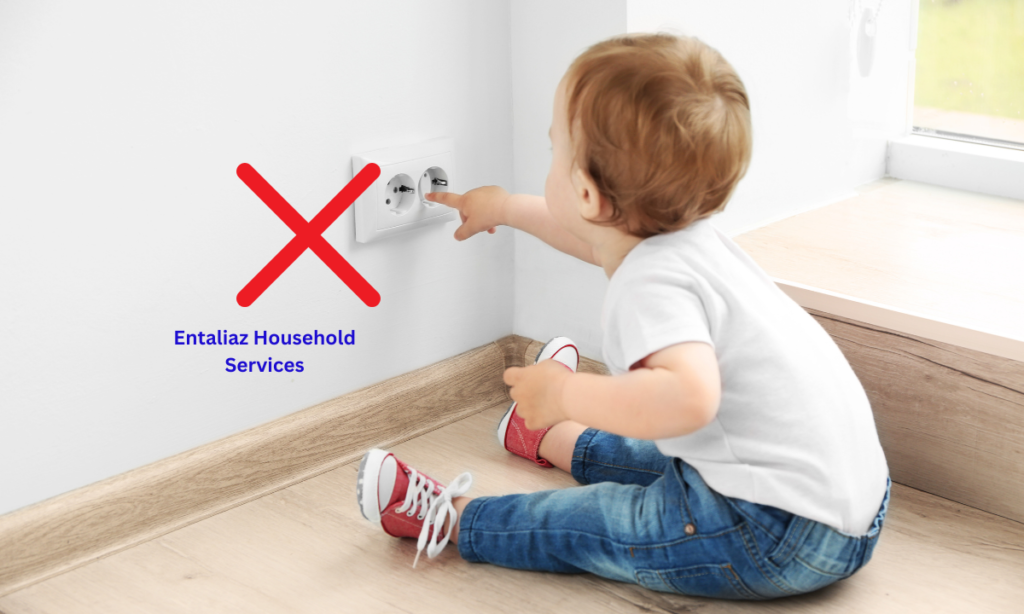
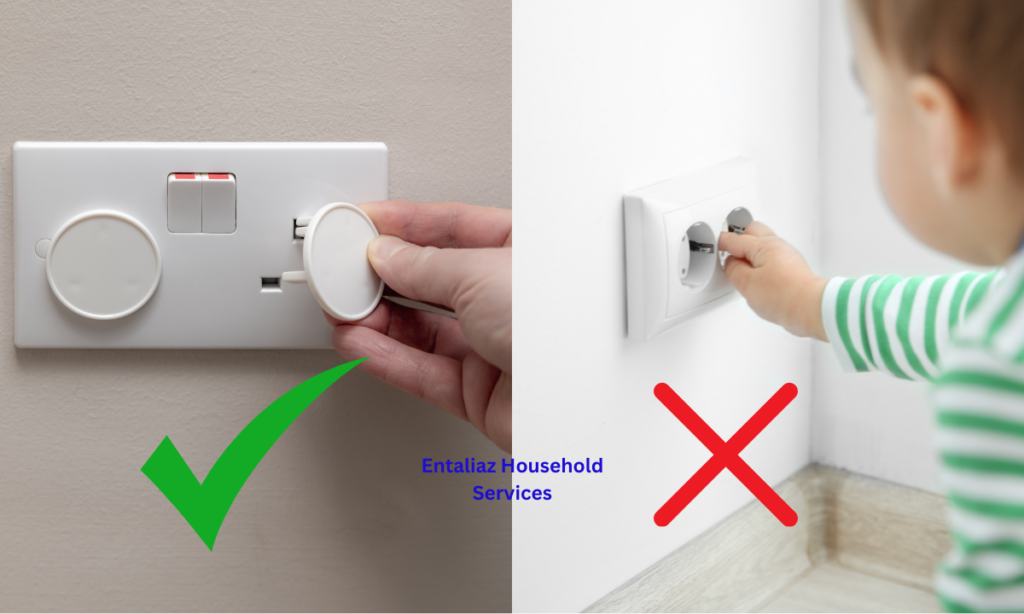
Never put toys, fingers, or other items into plug outlets. Protect outlets from accidental insertion by using safety plugs or outlet covers.
- Electricals and Water Don’t Mix

Keep electrical devices away from water sources (sinks and bathtubs), hair dryers, radios, and lamps. Stay away from using electrical gadgets in damp or humid areas.
- Respect Warning Signs

Teach kids warning signs, to avoid touching electrical circuits, and prevent electrocution or burn.
- Remove plugs safely

Before removing the plugs, turn off any devices. Hold the plug gently rather than the cord to prevent harm or electric shock.
- Avoid worn-out wires

Avoid touching any exposed or worn-out wires that you come across. Tell an adult or parent right away.
- Practice Safe Charging Habits
When a device is not in use or charging, unplug it. Refrain from leaving electronics charging unattended or overnight.
- Make use of Only original Chargers.

Use chargers that are original or recommended by the manufacturer. Steer clear of counterfeit chargers, which may result in fires or electrical shocks.
A Parent’s Guide to Selecting Safe Electronics for their Child’s Room
Your responsibility as a parent is to ensure your child is safe and healthy. Safety is the most important thing to consider when selecting devices for their room. Choosing the best electronics can be difficult because there are so many possibilities. This is a thorough handbook to assist you in making those decisions.
Factors to consider:
- Age and Maturity
Before introducing gadgets to your child, take their maturity and developmental age into account:
Young children (0–12 months): Steer clear of devices with tiny parts or cords.
Toddlers (ages 1-3): Select gadgets with easy-to-use, basic interfaces and safe places to store cords.
– For preschoolers (ages 4-5), introduce simple gadgets with safety features like outlets that are difficult to tamper with.
Children in school (6–12 years old): Consider gadgets with safety features and educational value.
- Accreditations
Seek accreditations from respectable institutions. Electronics meeting these certifications’ safety requirements are guaranteed for fire resistance, which is protection from electrical shock.
- Check for the Features of Safety of the electronics
Verify that electronics have integrated safety features. Protects against device overheating via overheat protection. Safe cord storage: Maintains cables neat and out of the way. Outlets that are resistant to tampering: Keep kids from sticking anything in. GFIs, or ground fault circuit interrupters, guard against electric shock.
- Energy Source
Think about the power source and what it means:
Battery-operated:
Positives: Less chance of electrical shock and portability.
Cons: Needs new batteries; may choke a child.
Plug-in:
Positives: simple installation and dependable power.
Cons: risk of electrical shock and managing cords.
- Options for cordless:
Choose cordless devices to avoid triangulation from wire coils. For example, devices use radio frequency (RF), Bluetooth-capable gadgets, and pads for wireless charging.
- Composition and Design
Select electronics composed of robust, non-toxic materials: Polymers devoid of BPA. Devoid of lead soldering. Robust design to tolerate falls
- Image of the Brand
Examine the safety record of the manufacturer:
Verify ratings and reviews on the internet. Check compliance and certificates. Consider customer service and warranties.
Think about companies that have a proven safety record. Clear and concise product information. Prompt customer service
By carefully weighing these considerations, you may choose technologies that prioritize your child’s safety and well-being.
Conclusion
In the current digital era, ensuring electrical safety in children’s rooms is imperative since electrical hazards such as fire, shock, overheating, and entrapment/strangulation pose serious threats. Parents should consider their age and maturity when introducing devices to their children and take precautions such as childproofing outlets, securing cords, and teaching technological safety. Selecting approved products with integrated safety features—like outlets that are difficult to tamper with and overheat protection—and performing routine electrical safety inspections further reduce dangers. Parents can foster a safe and healthy atmosphere for their children by emphasizing technological safety, shielding them from electrical hazards, and encouraging responsible technology use.