 21. July 2025
4 ENVIRONMENTAL BENEFITS OF WATER CONSERVATION
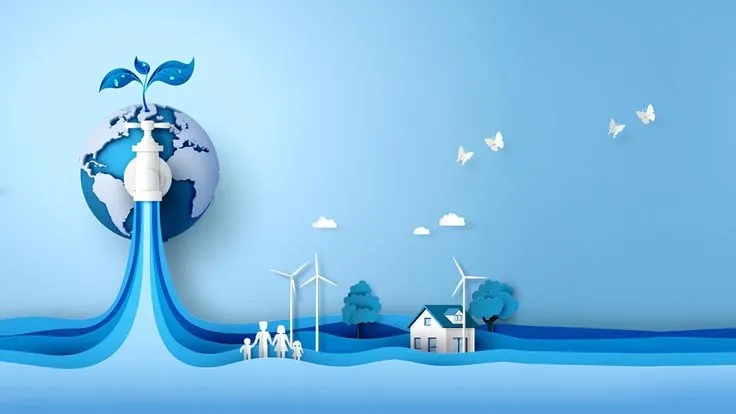
Water scarcity is a growing global concern, exacerbated by factors like climate change, population growth, and unsustainable water management. These shortages lead to environmental degradation, worsen climate change impacts, and harm human health, agriculture, industry, and economic development. The environmental benefits of water conservation are profoundly positive, as it involves strategies and practices to reduce consumption and minimize waste, ranging from household efforts to large-scale infrastructure improvements and policy changes.
The Environmental Benefits of Water Conservation
Water is an indispensable resource, and our consumption significantly affects the environment.
1. Protecting Ecosystems and Biodiversity
The benefits of water conservation are evident in its ability to reduce the strain on natural water sources. This means less water is drawn from rivers, lakes, and aquifers, helping to maintain their natural flow and water levels. This prevents negative impacts on aquatic ecosystems and helps preserve crucial wetlands that depend on a steady water supply. Healthy wetlands, in turn, support a wide variety of plant and animal species, including fish, birds, amphibians, and reptiles.

2. Mitigating Climate Change
The global climate crisis and water are inextricably linked. While climate change impacts vary globally, some regions face extreme droughts, while others experience increasingly severe floods and storms. Water-related activities, such as extraction, treatment, distribution, and the energy required for heating and pumping, contribute to greenhouse gas emissions. The United States Environmental Protection Agency (EPA) reports that 3% of the nation’s energy is used to supply and treat water. Therefore, saving water directly reduces greenhouse gas emissions. Sustainable water management, including rainwater harvesting and efficient irrigation, also helps prevent droughts, which are worsened by climate change.
3. Promoting Soil Health
Water conservation helps maintain ecological balance. Practices like contour plowing, terracing, and mulching reduce surface runoff, preventing topsoil and nutrient loss. These methods enhance water infiltration and reduce soil erosion by slowing water flow and allowing it to soak into the soil, thus stabilizing it. Water conservation improves soil structure by promoting aggregation, where soil particles clump together, and by creating vital pore spaces within the soil, allowing it to better hold water and air, and essential in time of drought. Healthy soil, rich in organic matter, acts like a sponge, absorbing and retaining water, making it available to plants for longer periods. It’s also essential for nutrient cycling, as water dissolves and transports nutrients to plant roots.

Furthermore, water supports soil microbes, which are vital for nutrient cycling and decomposition. Water conservation practices increase soil fertility and productivity. Healthy soil, sustained by effective water conservation, forms the foundation for sustainable agriculture and resilient ecosystems, acting as a natural filter to prevent excess nutrients and pollutants from leaching into water bodies.
4. Ensuring Long-Term Global Impacts
Securing water for future generations, preventing water scarcity conflicts, and fostering green cities and resilient agriculture are vital for long-term global stability and prosperity. Water conservation addresses water scarcity, a fundamental human right and a prerequisite for development. Growing populations and increasing water demands from agriculture, industry, and energy sectors are straining water resources. Reliable water supplies drive economic activity and job creation. This ensures consistent food production, leading to stable prices and food security. Widespread access to clean water and sanitation drastically reduces waterborne diseases and elevates public health standards.
Conclusion
By recognizing the interconnectedness of water with other environmental systems, we can unlock significant benefits of water conservation for ecosystems, human well-being, and the climate. To conserve water, individuals and communities can actively fix leaks, install water-efficient fixtures, practice smart outdoor irrigation, and reuse water whenever possible. The environmental benefits of water conservation is a critical factor in building a more resilient and sustainable future for all. What steps can your community take to promote water conservation and contribute to these benefits?