 20. November 2024
Introduction to Waste Management: Key Concepts You Need to Know
Although waste management may seem like a serious subject, it’s one of the most effective ways that each one of us can change things. Let’s explore the definition of waste management and its importance. Knowing the fundamentals of waste management can change how we handle garbage, from preserving resources to safeguarding ecosystems and even how we think about sustainability.

What Is Waste Management?
The process of gathering, handling, and getting rid of garbage in a way that doesn’t negatively impact the environment or human health is known as waste management. Recycling, composting, properly maintained landfills, cutting pollution, and building a sustainable future are all aspects of effective waste management.
What Makes Waste Management Important?
Unmanaged garbage damages ecosystems, contaminates the air and water, and adversely affects human health. Proper waste management entails controlling the garbage we create through recycling, reduction, and reuse to conserve natural resources and lessen our total environmental effects.
Important Concepts in Waste Management
Let’s simplify some key ideas so you can better comprehend waste management:
The 5 R’s: Refuse, Reduce, Reuse, Repurpose, and Recycle
We are all guided toward improved waste habits by the “5 R’s.” Here’s a summary:
- Refuse: Refuse unnecessary items.
- Reduce: Make an effort to cut down on waste by selecting products with longer lifespans or fewer packaging.
- Reuse: Before throwing something away, try to find methods to utilize it more than once or in new ways.
- Repurpose: Give things new life by coming up with inventive ways to use them, such as turning jars into storage containers.
- Recycle: To avoid trash accumulation, create new goods out of commodities like paper, plastic, and metal.
Types of Waste
We can better manage garbage if we are aware of its many sorts. Here are some major categories to consider:
- Common home garbage, such as food scraps, plastics, and packaging, is referred to as municipal solid waste (MSW).
- Industrial waste includes wastes from mining and manufacturing, among other sectors.
- Hazardous Waste: Trash like chemicals, batteries, and gadgets that can damage the environment.
- Waste from healthcare facilities, such as needles and medical equipment, is referred to as biomedical waste.
Special handling techniques are needed for each kind to guarantee secure disposal and lower environmental hazards.
Collection and Transportation
Gathering and moving garbage is the first significant stage in waste management, ranging from large-scale industrial collections to curbside collection for homes. An effective collection system lowers the possibility of unlawful dumping and keeps communities tidy.
Treatment and Disposal
Waste undergoes a variety of treatment procedures following collection. Here’s how it works:
- Recycling: produces new goods from resources like metal, paper, and plastic.
- Composting: produces nutrient-rich soil by decomposing organic materials, such as food leftovers.
- Incineration: Burns waste to lessen its bulk, occasionally producing energy in the process.
- Landfills are the last resort for garbage that cannot be recycled or composted. Modern landfills use gas collecting systems and protective liners to reduce their impact.
New Developments in the Waste Management Industry
Waste management is always changing because of innovative ideas and new technology. A few noteworthy patterns are as follows:
- Garbage-to-energy (WtE): Reduces reliance on fossil fuels by converting non-recyclable garbage into electricity.
- Smart trash management optimizes waste collection routes and reduces costs by utilizing sensors and data.
- The circular economy aims to create a closed-loop system of production and consumption by extending the useful life of resources.
How You Can Change Things
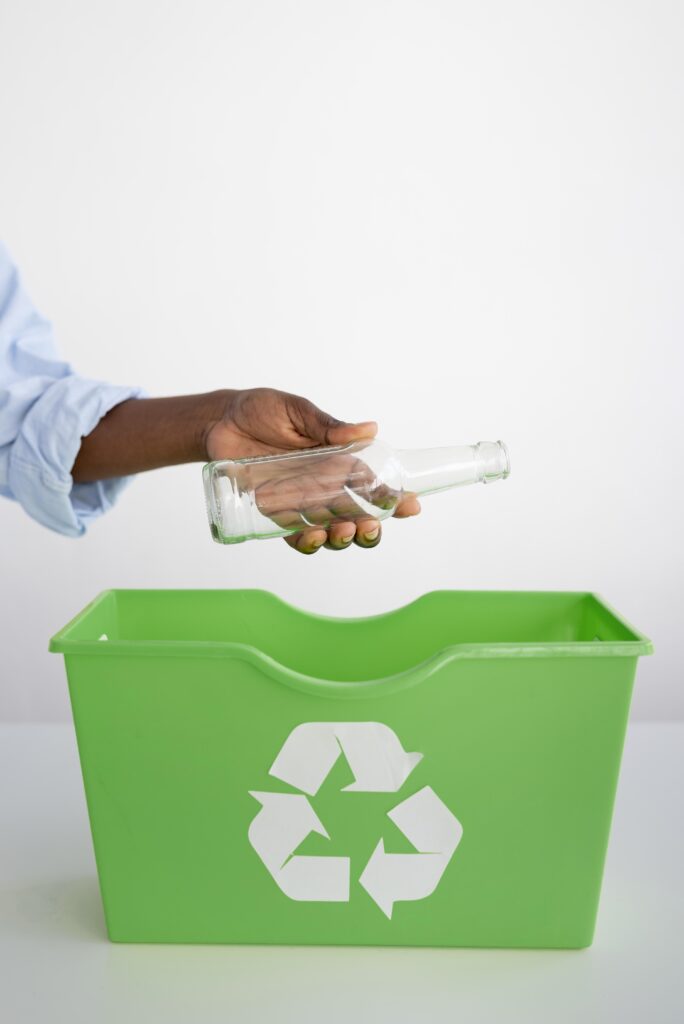
Waste reduction may be significantly impacted by the decisions we make. Try adopting easy ecological practices like sorting your recyclables, picking items with less packaging, and utilizing reusable shopping bags. Making minor adjustments to our daily schedules can help create a cleaner, healthier Earth.
Conclusion
Waste management is more than simply throwing away rubbish; it’s also about adopting sustainable practices, reevaluating our routines, and preserving resources. Waste management enables everyone to have an impact, from the 5 R’s to emerging technology. You should thus take a minute to think before throwing things away. This is a chance to help create a more sustainable future rather than just becoming garbage!
We appreciate your participation in our trash management adventure. For additional advice and thoughts on how we can all contribute to making our environment a bit greener, one small step at a time, stay tuned!