
 26. May 2025
4 Ways to Create a Healthy Sleep Environment for Your Child
A healthy sleep environment enhances sleep quality and duration. Children who get adequate sleep concentrate, learn, and make decisions better because sleep supports brain development, enhances information processing, and removes toxins. Children struggle to sleep as they have a lot of demands on their time and face distractions, especially from screens. Setting a bedtime routine together, creating a calm environment, maintaining a consistent circadian rhythm, and practicing sleep hygiene are the 4 major ways we will explore to create a healthy sleep environment for your child.
Setting a Bedtime Routine Together
A daily bedtime routine is a series of regular activities done before bedtime. This involves setting aside 8–10 hours daily for sleep. The key to a good routine is structure and consistency. These activities include bathing, brushing teeth, putting on pajamas, reading books, meditating, and listening to music. Parents with more than one child should practice effective time management to help them settle into bed. This routine helps them develop habits over time, teaching them to fall asleep on their own. Children who follow a bedtime routine often fall asleep quickly and wake up less at night. It also facilitates parent-child bonding.

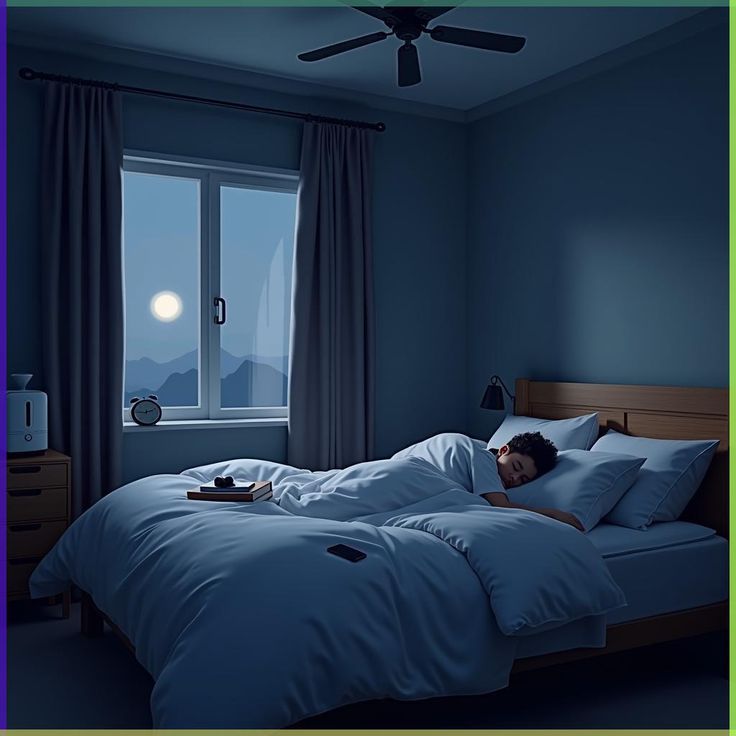
Calm, Healthy Sleep Environment
A dark, quiet, and comfortable sleeping environment helps to improve sleep, according to the National Institute for Occupational Safety and Health (NIOSH). A calm and quiet environment allows the brain to transition into a restful state, making it easier to fall asleep. To achieve this:
- Remove distractions (keep phones aside, turn off the TV).
(Note: Sleeping an extra hour during the day to “catch up” doesn’t work—set limits on screen time instead.) - Keep the bedroom temperature at comfortable levels.
- Turn off lights, as darkness increases melatonin production to help induce sleep. (Melatonin is a hormone produced by the brain to promote sleepiness.)
- Lay out beds properly and neatly—for sleeping, not for homework or other activities.
Fact: People who make their beds are 19% more likely to experience good sleep. This enhances emotional well-being, fostering a positive mindset and self-care.
Consistent Circadian Rhythm
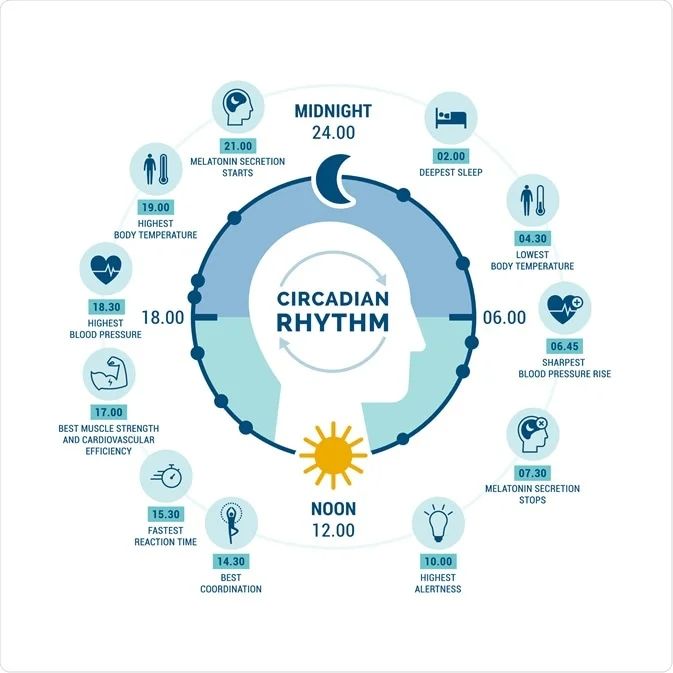
The brain is built to follow a regular sleep and wake time. Going to bed at a specific time each night is the best way to establish a healthy sleep pattern. This is called the circadian rhythm—the 24-hour internal clock in our brain that regulates cycles of alertness and sleepiness. The internal clock changes during puberty; teens naturally fall asleep later at night, which often leads to sleep deprivation and impacts physical and mental health. Establish a regular sleep schedule with consistent bedtimes and wake times. Sleep affects alertness, attention, cognitive performance, mood, vocabulary acquisition, learning, and memory retention.
Sleep Hygiene
Sleep problems are often caused by bad habits. Below are some effective ways to ensure healthy sleep habits:
- Children should avoid caffeine, as it can increase hyperactivity, anxiety, and frequent wakeups, and may lead to health problems (like digestive issues or sleep disorders).
- Limit nap time, as long naps can disrupt nighttime sleep.
- Avoid sugar before bedtime, as it disrupts melatonin production and causes insulin spikes, keeping children more alert.
Conclusion
Creating a healthy sleep environment is a deliberate effort that requires discipline and consistency. Over time, it positively impacts a child’s mental, social, and psychological well-being. Implement a plan, monitor their circadian rhythm, help them establish a bedtime routine, and encourage a calm environment. Children learn faster from watching adults—be a model for them. The importance of a healthy sleep environment cannot be overemphasized. See our article on home maintenance.