 20. May 2025
The Importance of Strong Passwords.
Cybercriminals compromise over 30,000 websites daily, and weak passwords contribute to about 81% of hacking-related breaches. In an era where personal and financial data is increasingly stored online, a strong password is the first—and often only—line of defense against unauthorized access. Whether protecting email accounts, banking details, or sensitive work documents, robust password practices are essential for individuals and businesses alike. This article explores why strong passwords matter, common vulnerabilities, and best practices for creating and managing secure credentials.

1. The Growing Threat of Cybercrime
Cyberattacks are escalating in both frequency and sophistication. Hackers employ tactics such as:
- Brute force attacks: Automated tools guess passwords by trying countless combinations.
- Phishing scams: Fraudulent emails or websites trick users into revealing credentials.
- Credential stuffing: Stolen passwords from one site are tested across others.
Weak or reused passwords dramatically increase vulnerability to these threats. A 2023 Verizon report found that 61% of breaches involved stolen or weak passwords, highlighting the urgent need for better security habits.
2. Characteristics of a Strong Password
An effective password should be:
- Long (12+ characters): Length exponentially increases cracking difficulty.
- Complex: Combine uppercase, lowercase, numbers, and symbols (e.g., !, @, #).
- Unpredictable: Avoid dictionary words, birthdays, or common phrases.
Example of a weak password: Password123
Example of a strong password: 7$mN9@qL#vB2!
For added security, use passphrases—longer, memorable sentences with mixed elements (e.g., BlueCoffee$Mug42! Raining).
3. Common Password Mistakes to Avoid
Many users unknowingly undermine their security with these errors:
- Reusing passwords: If one account is breached, others become vulnerable.
- Using personal information: Names, pet names, or anniversaries are easily guessed.
- Storing passwords insecurely: Writing them down or saving them in unencrypted files.
A Google survey revealed that 65% of people reuse passwords across multiple sites, making them prime targets for cybercriminals.
4. Best Practices for Password Management
a. Use a Password Manager
Tools like Bitwarden, LastPass, or 1Password generate and store complex passwords securely, eliminating the need to memorize them.
b. Enable Multi-Factor Authentication (MFA)
MFA adds an extra layer of security by requiring a second verification step (e.g., a text code or biometric scan).
c. Regularly Update Passwords
Change passwords every 3–6 months, especially for sensitive accounts (e.g., banking, email).
d. Monitor for Breaches
Websites like Have I Been Pwned? Alert users if their credentials appear in known data leaks.
5. The Future of Authentication
As cyber threats evolve, so do security methods. Emerging technologies include:
- Biometric authentication: Fingerprint or facial recognition.
- Passwordless logins: Secure tokens or device-based verification.
- AI-driven security: Behavioral analysis to detect unauthorized access.
While these innovations improve convenience, strong passwords remain foundational to digital safety.
Conclusion
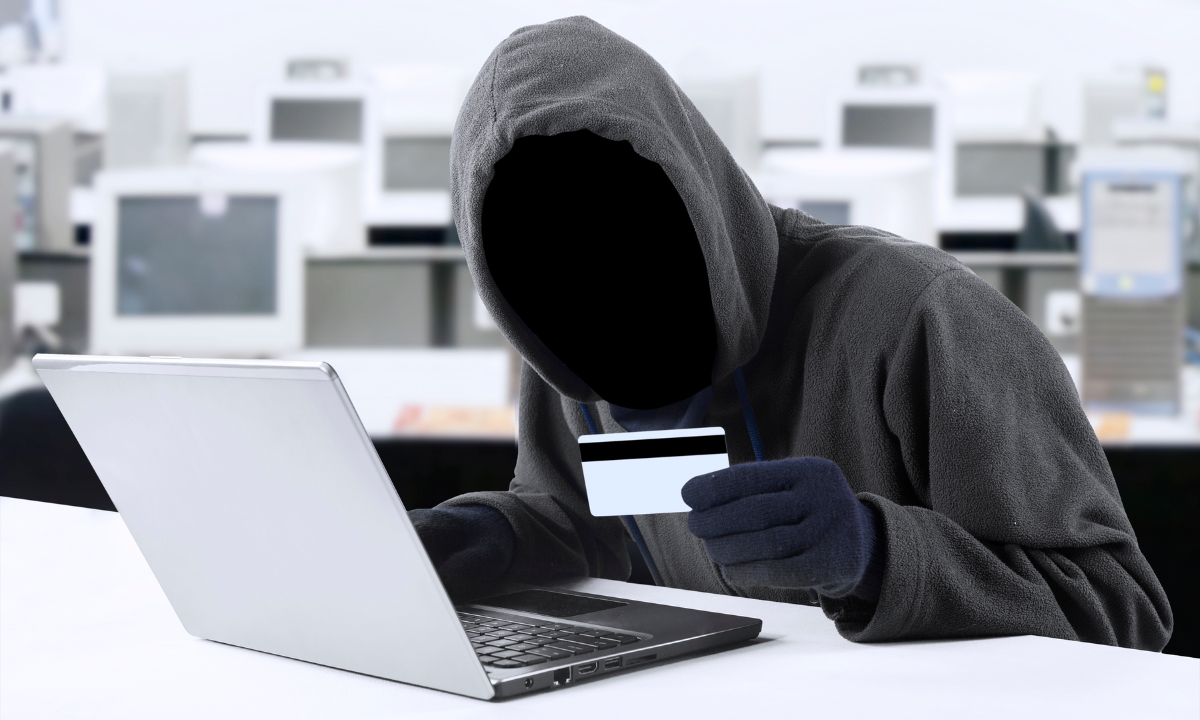
In today’s interconnected world, a weak password is akin to leaving a door unlocked for criminals. By adopting long, unique passwords, leveraging password managers, and enabling multi-factor authentication, users can significantly reduce their risk of cyberattacks.