 24. April 2026
8 HERBAL TEA GARDEN WITH HEALTH BENEFITS FOR KIDS AND ADULTS.
Instead of planting randomly, designing a themed garden, like an herbal tea garden, adds purpose, simplicity, and everyday value to your space.
A herbal tea garden is especially practical. It provides fresh ingredients for calming, healing, and refreshing teas that both adults and children can enjoy. From sleep-supporting blends to digestion-soothing infusions, growing your own herbs means you always have natural remedies within reach.
The best part? Herbal tea gardens are relatively low-maintenance and highly customizable. You can grow what you love, skip what you don’t, and create a system that fits your lifestyle. With the right planning and a few key plants, you can turn a small garden bed, or even a few containers, into a steady source of fresh, flavorful tea.
Disclaimer: This article is for informational and educational purposes only and does not constitute medical advice. While herbal teas can offer various health benefits, herbs can be potent and may interact with medications or underlying health conditions. Always consult with a healthcare professional or a certified herbalist before introducing new herbs into your diet, especially for children, or if you are pregnant or nursing. Use proper ratios and moderation when brewing.
What to Plant in Your Herbal Tea Garden
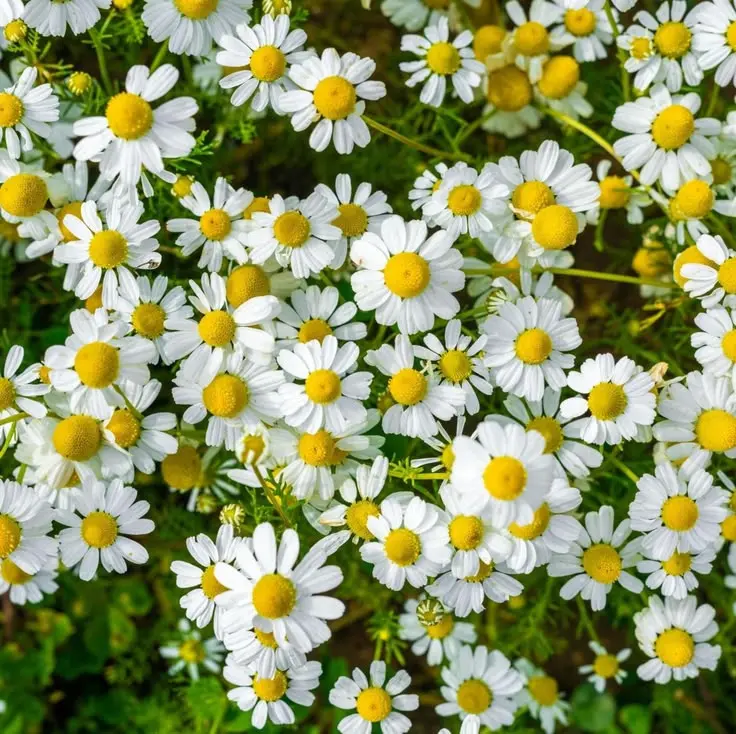
1. Chamomile:
Chamomile is a fast-growing herb that is well known for its calming properties. It is commonly used to promote relaxation, improve sleep quality, and soothe digestion, making it a great choice for both adults and children. This plant is easy to maintain and benefits from light trimming after flowering to encourage fresh growth. However, it should be avoided by anyone with allergies to plants.
2. Lemon balm:
Lemon balm is a fragrant herb with a mild citrus flavor that is often used to calm the nervous system and reduce stress and anxiety. It also supports digestion and can help ease bloating and discomfort. As a member of the mint family, it grows quickly and can spread easily, so regular pruning or planting it in a contained space is recommended.
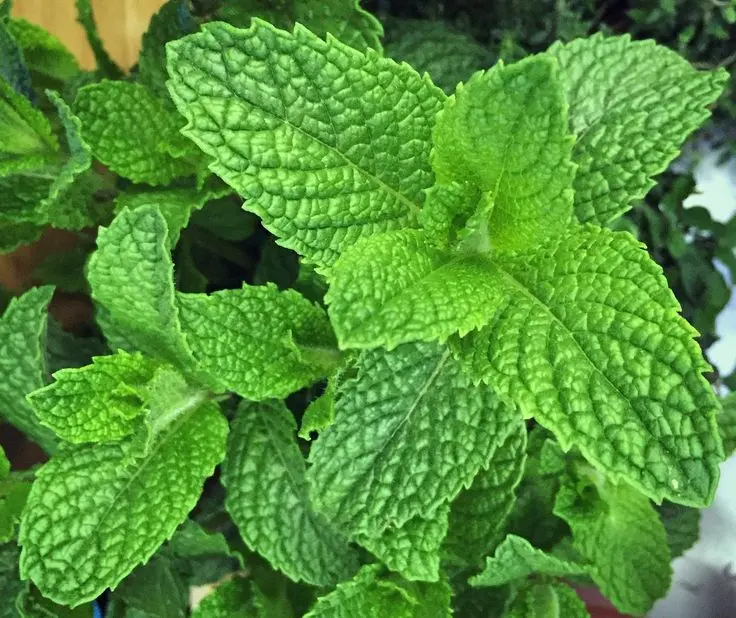
3. Mint (grows in containers):
Mint is one of the most versatile and widely used herbs for tea, valued for its refreshing flavor and digestive benefits. It can also help relieve headaches and support respiratory health. Because of its fast growth rate, mint is best grown in its own container to prevent it from overtaking the rest of the garden.
4. Lavender:
Lavender is a slow-growing herb that is prized for its calming and soothing effects. It is often used to improve sleep, reduce stress, and ease headaches. Although it takes time to mature, starting with an established plant can speed up harvesting. It should be used sparingly in tea blends because of its strong flavor.
5. Bee balm:
Bee balm is a herb that is valued for its immune-supporting and antimicrobial properties. It is commonly used in teas to help with colds, flu symptoms, and respiratory discomfort, while also aiding digestion. In addition to its health benefits, it attracts pollinators like bees and butterflies, making it a great addition to any garden.
6. Thyme:
Thyme is a herb with powerful medicinal qualities, especially for respiratory health. It contains natural antimicrobial properties and is often used to soothe coughs, support lung function, and fight infections. It thrives in full sun with well-drained soil and requires only light pruning to stay healthy.
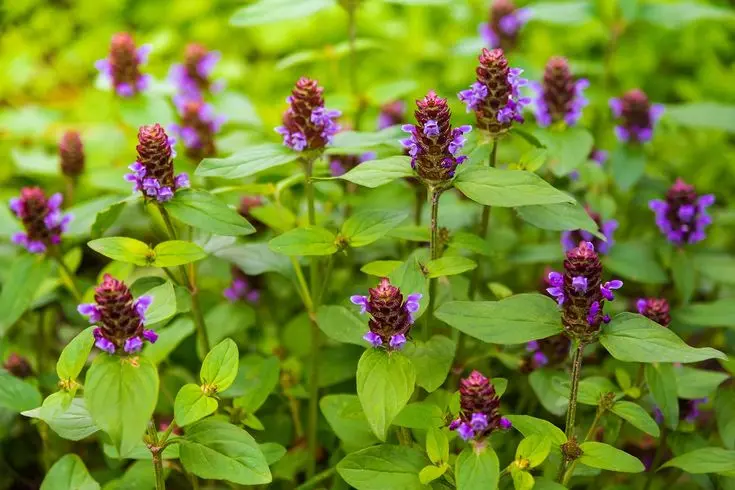
7. Self-heal (heal-all): scientific name is Prunella vulgaris
Self-heal is a wild-growing herb known for its strong healing properties and long history in traditional medicine. It is valued for its anti-inflammatory effects, immune support, and ability to soothe sore throats. As it can spread easily like other mint-family plants, it should be monitored closely or grown in a separate container.
8. Pineapple sage:
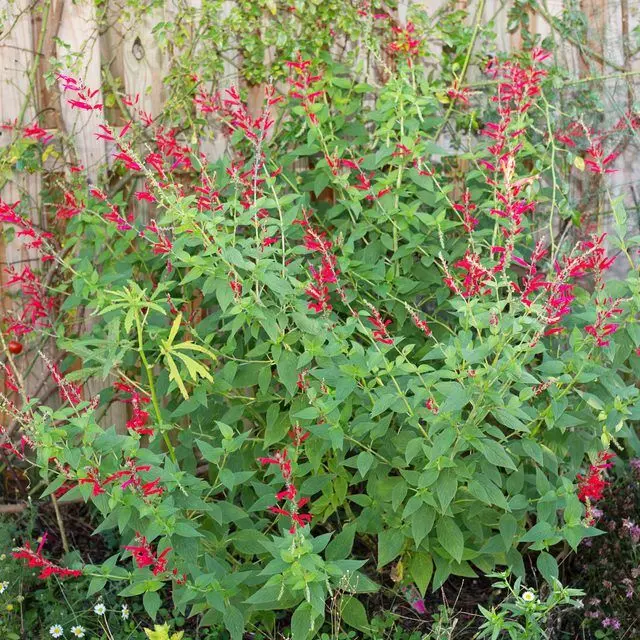
Pineapple sage is a fragrant, fast-growing shrub with a slightly sweet, fruity flavor that works well in herbal teas. It is known for its mood-boosting and digestive benefits and is often used in uplifting tea blends. While it is relatively easy to grow, it is sensitive to frost and benefits from being cut back and protected during colder seasons.
Conclusion
A herbal tea garden is a simple, practical way to grow your own natural, health-supporting ingredients at home. By choosing the right herbs, you can create a low-maintenance space that provides fresh, soothing teas for both kids and adults, while adding beauty and purpose to your garden.
Sources: