 24. September 2025
HOW TO USE GARDEN MULCH EFFECTIVELY
Mulching is one of the most beneficial things you can do for your garden. It involves covering the soil with a protective layer of material to help conserve moisture, suppress weeds, and improve soil quality. While it may seem simple, applying mulch effectively is a skill that can transform your garden’s health and appearance.
1. Choosing the Right Mulch
There are two main categories of mulch: organic and inorganic. Choosing the right one is essential, as each serves a different purpose for your garden.
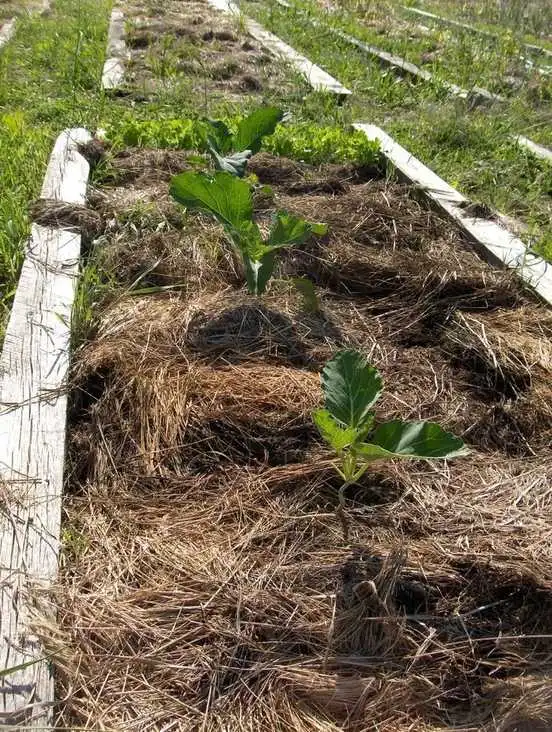
- Organic Mulches: These are made from natural materials that decompose over time, adding valuable nutrients to the soil. Common examples include wood chips, bark, shredded leaves, straw, and compost. Organic mulches are excellent for vegetable gardens and flower beds where soil health is a top priority. Different types of organic mulches are suited for various plants; for example, pine needles are great for plants such as blueberries and rhododendrons.
- Inorganic Mulches: These materials do not decompose. They are primarily used for long-term weed control and aesthetic appeal. Examples include gravel, rocks, rubber mulch, and landscape fabric. Inorganic mulches are ideal for rock gardens, pathways, or around plants that thrive in dry conditions.
2. Preparing the Area for Mulch
Before you spread your mulch, a little preparation will ensure it works as effectively as possible.
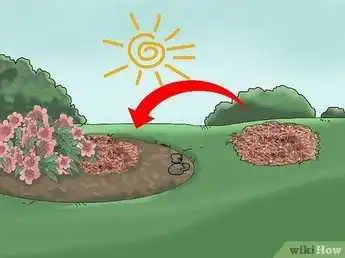
- Clear the Area: Use a rake to remove all weeds, leaves, and debris from the area you plan to mulch. For stubborn weeds, you may need to use a weed killer but be sure to follow the product’s instructions carefully.
- Cultivate the Soil: Gently loosen the top few inches of compacted soil with a rake or cultivator. This improves air and water circulation, which helps the soil absorb moisture and nutrients.
- Water the Soil: Thoroughly water the area before applying mulch. This traps moisture in the soil from the start, helping your plants stay hydrated.
- Fertilize Then Mulch: For the best results, fertilize your plants before applying mulch. This ensures the roots can easily absorb the nutrients you’re providing.
- Optional Weed Barrier: For extra protection against weeds, apply a layer of newspaper or a commercial weed barrier fabric before mulching.
3. The Art of Applying Mulch
Applying mulch correctly is crucial for its effectiveness. Too little, and it won’t work; too much, and it can harm your plants.

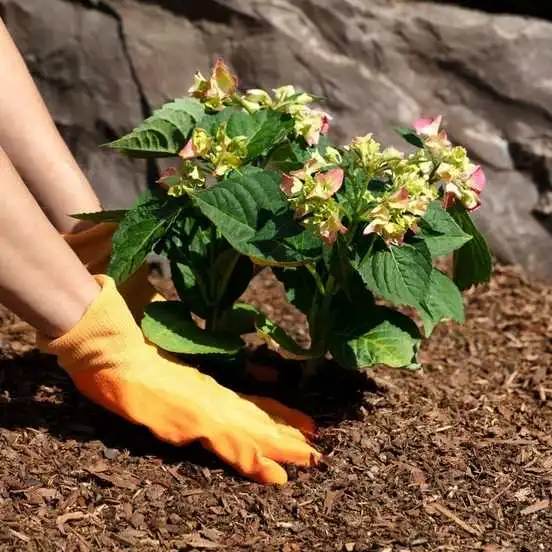
- Mind the Thickness: For most gardens, a layer of 2-4 inches of mulch is ideal. This is thick enough to suppress weeds and retain moisture without suffocating the plant’s roots.
- Avoid “Volcano Mulching”: A common mistake is piling mulch in a cone shape right up against the base of a tree or plant, a practice known as “volcano mulching.” This can trap moisture, promote root rot and disease, and even create a home for pests.
- Create a “Donut Hole”: Keep the mulch 3-5 inches away from the base of plants, creating a clear “donut hole” around the stem. For trees, do the same by keeping mulch away from the trunk. This allows air to circulate and prevents the bark or stem from rotting. Spread the mulch evenly out to the plant’s drip line (the outer edge of its branches).
- Timing is Key for Young Plants: When mulching a vegetable garden, wait for seedlings to grow a few inches tall before applying mulch. This ensures they can get the sunlight and air they need to sprout.
4. Ongoing Mulch Maintenance
Mulch isn’t a “set it and forget it” solution. Regular maintenance will keep your garden looking great and your plants healthy.
- Refresh Annually: Organic mulches will decompose and need to be replenished. A good rule of thumb is to refresh your mulch once a year, either in early spring to prepare for the growing season or in the fall to protect plants from winter cold.
- Check for Pests and Moisture: To prevent mold and pests, regularly check your mulch. If it feels overly soggy, gently turn it with a rake to help it dry out and create a less hospitable environment for unwanted guests.
- Maintain Depth: Inspect your mulch periodically. If it starts to look thin, simply add a fresh layer to maintain the recommended 2–4 inches.
Conclusion
To get a healthier, more vibrant, and low-maintenance garden, focus on proper mulching. It’s a simple, powerful technique. Just choose the right material, prepare the soil, apply it correctly, and refresh it as needed.