 25. February 2026
HOW TO PREVENT ACCIDENTAL POISONING IN SENIORS: ESSENTIAL SAFETY STRATEGIES
Accidental poisoning in older adults is a serious and often overlooked risk that can lead to hospitalization, long-term health problems, or even death if not prevented. Preventing accidental poisoning in seniors involves practical measures that reduce exposure to harmful substances, improve medication safety, and make the home safer overall. Older adults are particularly vulnerable due to complex medication regimens, age-related changes in vision and cognition, all of which increase the chances of accidental poisoning if precautions are not taken. (JAMA Network)
The following are the key points every caregiver, and family member should know to prevent accidental poisoning in seniors in a clear, practical, and actionable way:
1. Organize and Review All Medications Regularly to Avoid Accidental poisoning
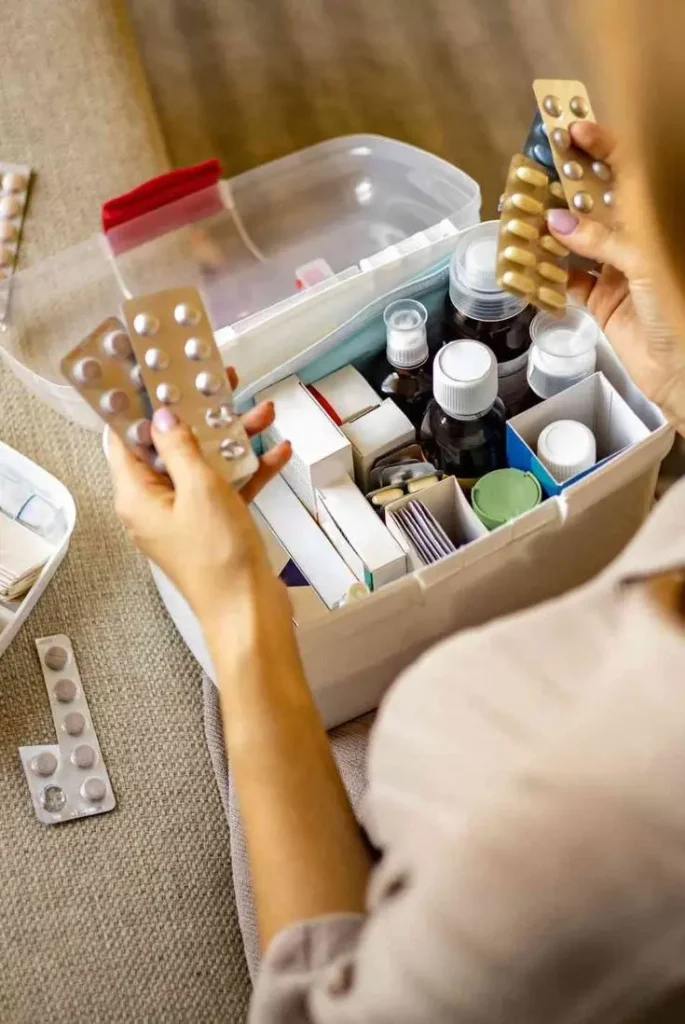
One of the leading causes of accidental poisoning in seniors is medication errors. Many older adults take multiple prescriptions, which increases the risk of taking the wrong medications. To prevent this, caregivers should keep a current list of all medications, including dosages and prescribing doctors, and share it with every healthcare provider involved in the senior’s care. Consider using a single pharmacy for all prescriptions so pharmacists can monitor interactions and ask questions if there are concerns. Regular reviews with both doctors and pharmacists ensure the treatment plan remains safe and effective. (safemedication.com)
2. Store Medications Correctly and Safely
Proper medication storage is fundamental in preventing accidental poisoning in seniors. All medicines should remain in their original, labeled containers, which include important dosage instructions and warnings. Mixing pills into unlabeled containers or transferring them into food storage containers increases the chance of misuse. Store medications in a designated medicine cabinet or drawer separate from food, household cleaners, to avoid confusion. Use child-resistant packaging when available, and ensure caps are always tightly secured. Remove expired or unused medicines promptly according to disposal guidelines or take-back programs to reduce the number of potentially hazardous products in the home. (Poison Control)
3. Improve Lighting and Label Visibility
Vision changes are common as people age, making it easier to misread medication labels. To prevent accidental poisoning in seniors, ensure they take medications and use household products in well-lit areas. Larger, easy-to-read labels help reduce mistakes, ask pharmacists for large-print prescription labels to enhance clarity. Wearing glasses or reading lenses when handling medicine decreases the risk of incorrect dosing or accidental ingestion of the wrong product. (CAES Field Report)
4. Use Medication Aids to Prevent Dosing Mistakes
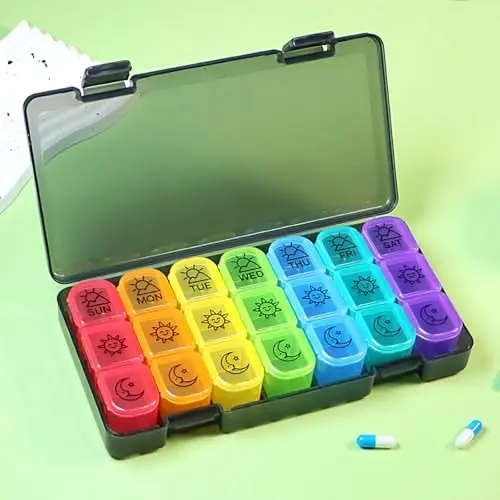
Use pill organizers, daily dose reminder boxes, or medication schedules helps seniors keep track of what they have taken and when. For those who are forgetful or take many medications, setting alarms or digital reminders can support routines and reduce the risk of taking extra doses or skipping pills unintentionally. Some caregivers also use a “buddy system,” where a trusted friend or family member assists with filling pillboxes and reviewing doses. (safemedication.com)
5. Maintain an Emergency Poison Response Plan
Despite the best preventive measures, accidental poisonings can still happen. Knowing how to respond quickly is essential. Save the number for your local poison control center (for example, in the U.S. the Poison Help Line at 1-800-222-1222) and program it into all household phones. In the event of suspected poisoning, contact poison control immediately for expert guidance. Acting promptly can limit harm and prevent complications. Teach seniors and caregivers where this number is posted and how to use it in an emergency. (poisonhelp.hrsa.gov)
Conclusion
These strategies not only safeguard health and wellbeing but also promote confidence and independence for seniors. Regular communication with healthcare professionals and continuous evaluation of safety practices are key to maintaining a secure environment for older adults, because prevention truly saves lives.