 02. June 2025
Identifying and preventing slug and snail damage
The most common garden plant pests are slugs and snails. They eat vegetables and ornamental plants, especially seedlings and leaves. Preventing slug and snail damage includes relying on a combination of methods such as cultural control (planting susceptible and resistant plants, hand picking, setting traps and barriers), biological control (predators), and chemical controls. Let’s discuss them in detail.
Understanding Slug and Snail Damage: Appearance, Behavior
It is important to identify these pests and examine the damage they cause.
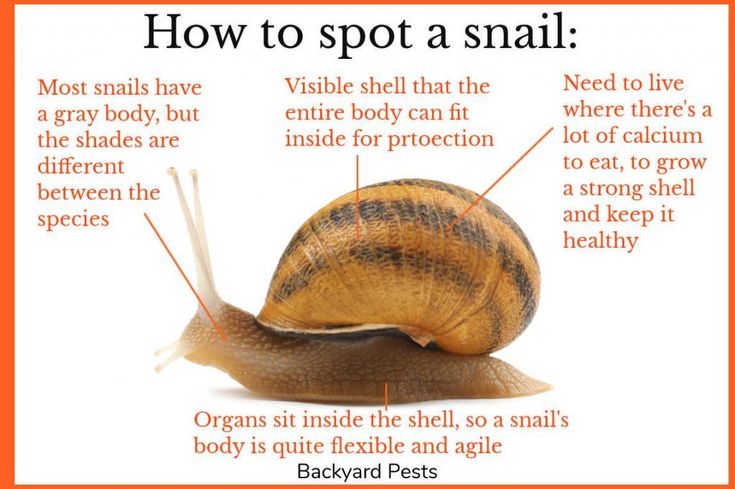
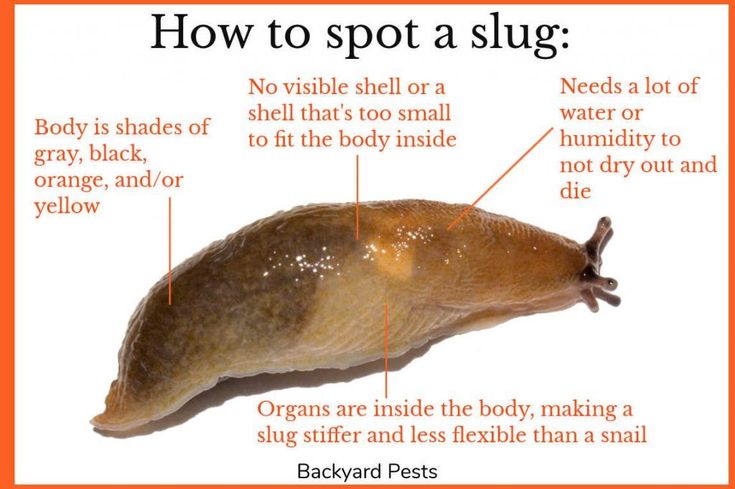
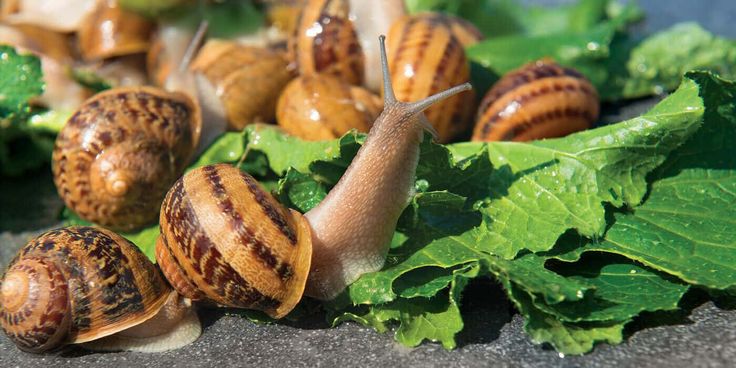
Slugs and snails are similar in structure (small and drab) and biology, except that slugs do not have the snail’s external spiral shell. They are seen during the day in cool, shaded places, but are mostly active at night when it’s damp and cool.
- Slugs use radula (a file-like mouthpart) to chew and rasp plant tissue, creating smooth, irregular holes in leaves, flowers, and fruits.
- They prefer succulent foliage flowers ( because it’s easier to clip), making them primary pests of seedlings and herbaceous plants.
- They are threats (serious pests) to ripening fruits like tomatoes, strawberries, and turfgrass seedlings.
- Slugs and snails feed on the young plant’s bark and foliage.
Preventive Approach
Can these pests be entirely prevented from the garden? No garden will ever be free of slugs and snails. There are management solutions we’ll discuss in this section, which, when implemented, will keep your garden secured from these pests:
Cultural method
These are methods that employ practices that make the environment less attractive to pests and less favorable and conducive for their survival, dispersal, and growth. This method includes:
- Planting susceptible and resistant plants: Grow plants that do not attract slugs and snails in areas that are dense. These plants include Lavender, rosemary, and sage, among others.
- Hand-picking: Pay attention to potential hiding places, and hand-pick them daily.
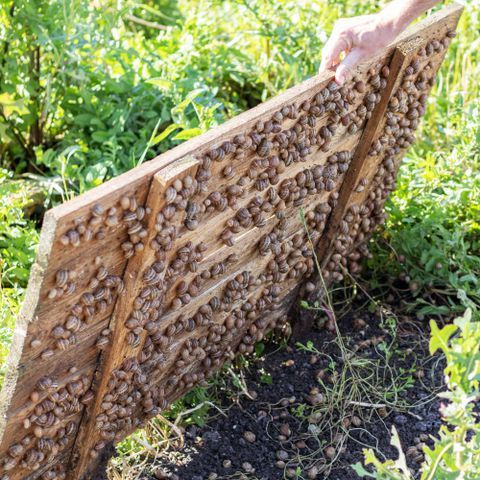
- Traps: Use inverted melon rinds or wooden traps. The traps must have vertical sides and a lid to keep them from escaping.
- Barriers: Use copper flashing and screen, because the copper reacts with the slime they secrete, disrupting their nervous system, similar to an electric shock.
Biological Method
Many animals and birds feed on slugs and snails, making them valuable in natural pest control. While these natural predators can help manage populations, they are often not effective enough on their own to fully protect a garden. Domesticated birds such as ducks, geese, and chickens can be especially helpful, but it’s important to shield young seedlings from their foraging. Creating a wildlife-friendly garden, such as building a nearby pond, can attract beneficial predators like hedgehogs, slow worms, and ground beetles, all of which also prey on slugs and snails.
Chemical Method
A variety of snail and slug bait products are available, but using bait alone is not a long-term solution for controlling these pests. Some effective options include iron phosphate baits, which are ideal for integrated pest management in gardens; spinosad, an insecticide that also targets pests like earwigs and cutworms; and other molluscicides. For best results, do not apply bait directly to plants—sprinkle it on the soil in areas where snails and slugs are commonly found.
Conclusion
Controlling snails and slugs requires a comprehensive approach. By combining biological controls (such as attracting natural predators), cultural practices (like using barriers, selecting resistant plants, and adjusting garden conditions), and targeted chemical treatments (including molluscicides and baits), gardeners can effectively reduce their impact and protect their plants. See our articles on identifying and preventing other pests.