 05. January 2026
HOW TO ENSURE SAFE DRINKING WATER AT HOME
Is your water truly safe, or is your plumbing the problem? Ensuring safe drinking water at home requires more than relying on your water utility. While water may be treated before delivery, household plumbing, storage, and handling can reintroduce contaminants. A reliable approach involves testing your water, applying the right treatment, and maintaining clean storage and systems.
Treatment Options for Safe Drinking Water
The best treatment depends on the specific contaminants you need to remove:
1. Test Your Water First
Start by identifying potential risks. Use a certified laboratory test or a reliable home testing kit to check for bacteria, heavy metals (such as lead), excess minerals, and chemical contaminants.
2. Treat the Water Appropriately
Choose a treatment method based on the contaminants detected:
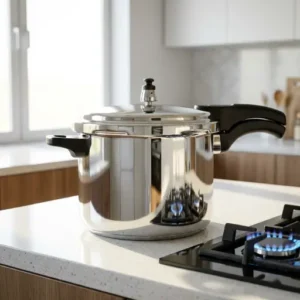
- Boiling: Kills bacteria, viruses, and parasites; ideal for microbial contamination but ineffective against chemicals or metals. Heat water to a rolling boil for at least 1 minute (3 minutes at high altitudes) to ensure it is microbially safe.
- Mechanical Filtration: This process utilizes certified ceramic or ultrafiltration membranes to strain out sediment and larger pathogens. While it is the ideal solution for turbid or cloudy water, it typically requires pairing with other treatments to eliminate viruses and chemicals.
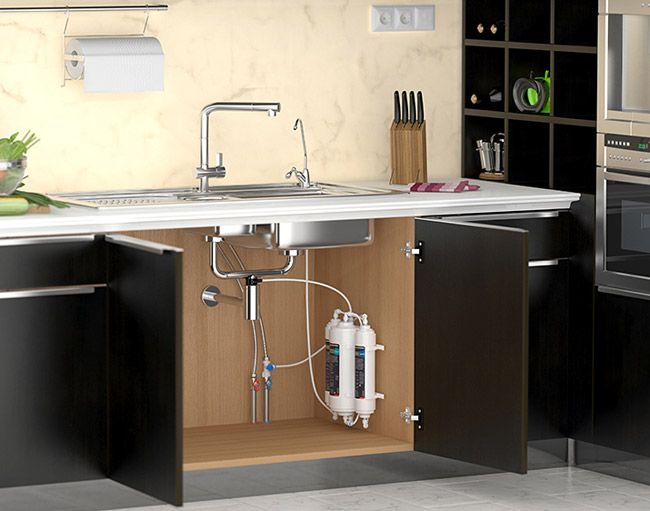
- Activated Carbon: Whether using a pitcher, faucet mount, or under-sink unit, carbon filtration excels at adsorbing chlorine and organic chemicals. This significantly improves the water’s taste and odor while adding a vital layer of chemical safety to your tap.
- Reverse Osmosis (RO): Installed at the point of use, an RO system forces water through a semi-permeable membrane to strip away dissolved salts, heavy metals, and complex chemicals. It is the most comprehensive solution for homes facing intricate water quality challenges.
- UV Purification: By running water through a UV chamber, you can eliminate viruses and bacteria without altering the water’s taste. This system serves as a powerful final stage of treatment, though it requires clear water to ensure every microorganism is reached.
- Chemical Disinfection: Best reserved for emergencies, these tablets utilize chlorine or iodine to disinfect water. Simply mix according to the provided directions and wait the required time to ensure the treatment is effective against bacteria and viruses.
3. Protect and Maintain Your Water Supply
Safe water requires ongoing care:
- Replace filters on schedule to prevent recontamination.
- Sanitize storage tanks or containers at least once a year.
- Inspect plumbing, wells, or intake points for leaks, cracks, or poor drainage.
- Store drinking water in clean, covered, food-grade containers.
Conclusion
How to ensure safe drinking water at home comes down to three steps: test your water, apply the right treatment, and maintain clean storage and systems. With consistent habits and proper maintenance, your household can enjoy safe, healthy drinking water every day.