
 06. October 2025
8 STRANGER SAFETY FOR KIDS: A PARENT’S PRACTICAL GUIDE
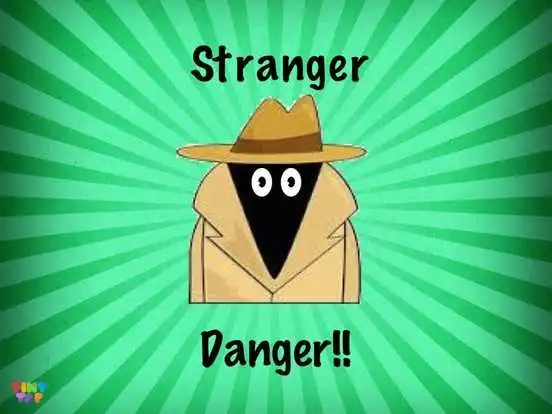
As parents, we want to protect our children without making them fearful of the world around them. Teaching kids about stranger safety isn’t about creating paranoia; it’s about building awareness, confidence, and smart decision-making. Here’s how you, as a parent, can teach your child to recognize danger, trust their instincts, and stay safe.
8 Essential Stranger Safety Rules Every Child Should Know
Children naturally trust others and often take people’s actions at face value, which makes them especially vulnerable when they are unsupervised. Here are eight essential safety rules kids should know to stay protected:
1) Teach Them to Refuse Gifts or Treats from Strangers Politely
Parents should teach their children never to accept gifts or treats from strangers, as this is a common way for people with harmful intentions to gain a child’s trust. Candy, toys, or other appealing items can easily distract a child. Children should be encouraged to politely refuse, walk away, and immediately seek help from a trusted adult.

2) Reinforce the Rule: Never Go Anywhere with a Stranger
Children must understand that they should never leave with anyone not approved by you, even if that person claims to be a family friend or says, “Mom said to pick you up.” Create a “trust list” with your child, naming only a few trusted adults they may go with. Practice what to do if someone outside that list approaches them. Give them a safe response phrase, like “I need to call my parents first.
3) Explain Why They Should Never Accept Rides from Strangers
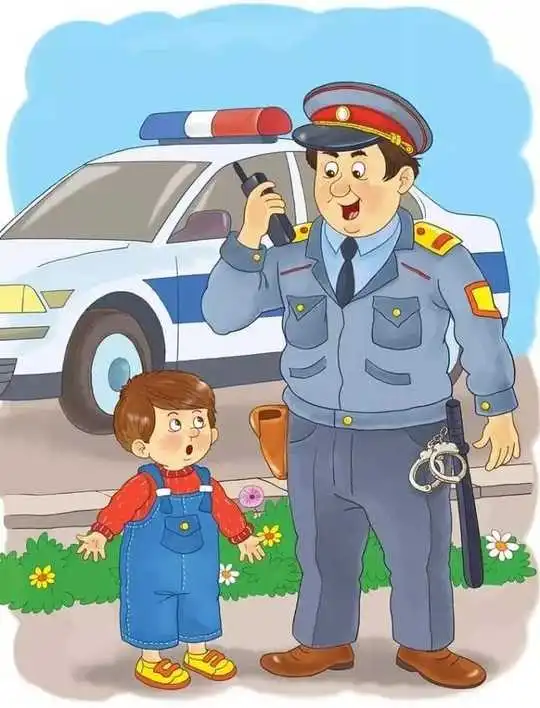
Even well-meaning or polite offers of a ride can put a child at risk. Explain to your child that while it’s good to be kind, adults don’t usually ask kids for help with things like finding a lost pet, carrying items, or giving directions. If an adult truly needs help, they should ask another adult, not a child. Reinforce that if they’re unsure, it’s okay to run, yell, or seek help from a teacher, security officer, or another trusted adult nearby.
4) Help Them Understand What Personal Information Is, and Why It’s Private
Children often don’t realize how sharing simple details (like where they live or their parents’ names) can put them at risk. Sit down with your child and list what counts as personal information, then explain why it should never be shared with people they don’t fully know or trust.
5) Teach Online Stranger Safety Early
Online spaces are the new playground, but they come with hidden risks. Show your child how to identify fake profiles, avoid chatting with unknown users, and never share photos or personal details online. You can even browse their favorite apps together to explain what safe online behavior looks like. Keep an open, judgment-free dialogue so they’ll tell you if something feels “off” online.
Also Read: Online Safety
6) Discuss the Difference Between Good Touch and Bad Touch
Use gentle, age-appropriate language to explain body boundaries. Tell your child that their body belongs to them and that it’s always okay to say “no” if someone’s touch makes them uncomfortable. Make sure they know they can always come to you, no matter what, without fear of getting in trouble. Read children’s books about body safety together; they make these conversations easier and more relatable.
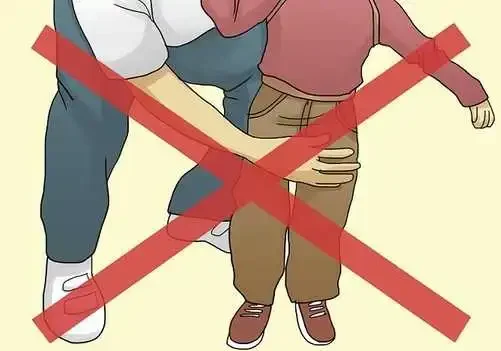
7) Introduce Basic Self-Defense and Assertiveness Skills
Children don’t need to know martial arts to protect themselves, just simple confidence-building actions such as yelling for help, running toward a safe place, and trusting their instincts. Consider enrolling them in a kids’ self-defense class that focuses on awareness and verbal assertiveness.
8) Encourage Sharing and Asking for Help
The most effective safety tool your child can have is you, a parent they trust completely. Create a home environment where they can share anything that worries them, even small things. Listen carefully, validate their feelings, and thank them for being honest. The more they talk to you, the less likely they are to hide something dangerous.
Conclusion
Teaching stranger safety isn’t a one-time talk; it’s a lifelong conversation. By guiding your child with patience, openness, and practical examples, you empower them to make smart decisions and stay safe without losing their natural curiosity or trust in the world
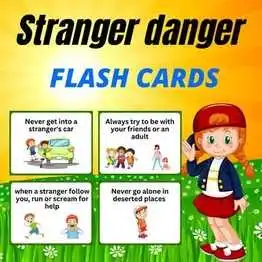
Recommend books, safety videos, and child safety programs, and ensure children know emergency hotline numbers they can use if needed. These strategies build awareness, confidence, and the ability to stay safe in any situation.