 23. July 2025
HOW TO EFFECTIVELY CONDUCT A HOME ENERGY AUDIT
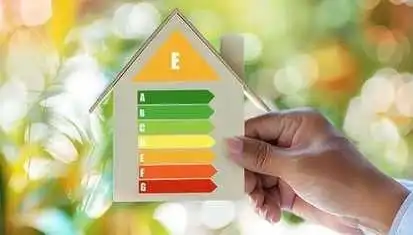
A home energy audit is a thorough examination of a building’s energy use, designed to identify where energy is being consumed inefficiently or wasted. This process involves analyzing consumption patterns, inspecting various building systems, and pinpointing areas for improvement. A typical audit includes reviewing utility bills, assessing heating and cooling systems, lighting, insulation, and other energy-consuming equipment.
Energy audits are crucial for both homeowners and businesses. They play a pivotal role in identifying opportunities for increased efficiency, ultimately helping to save money and reduce environmental impact. While some basic audits can be done as a DIY project, professional audits often provide a more in-depth analysis and precise recommendations. Nevertheless, performing a basic home energy audit yourself is a valuable and achievable first step.
To get started with a basic home energy audit, you will need a few simple tools:
- A thermometer
- A flashlight
- Your past utility bills
- A notepad and pen
The Home Energy Audit Process: Where to Focus
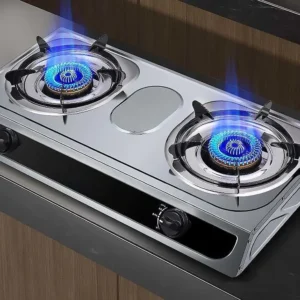
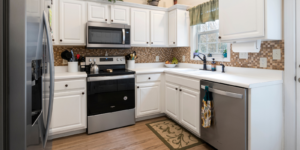
Significant energy losses in a home often originate from two main areas: air leaks and inefficient systems. Air leaks, particularly around windows and doors, allow cold air in during winter and warm air in summer, forcing your HVAC system to work harder. Poor insulation and older, less efficient appliances also contribute substantially to higher energy consumption. For instance, older refrigerators, washing machines, and other appliances can be significant energy hogs compared to newer, more efficient models.
How to Conduct a Home Energy Audit: Checking Insulation Efficiency
To assess your home’s insulation efficiency, perform a visual inspection of key areas such as the attic, walls, and crawl spaces. Look for proper coverage and note the type of insulation used.
Signs of insufficient insulation include:
- Noticeable temperature fluctuations between rooms, or rooms that are consistently difficult to heat or cool.
- Increased energy consumption and higher heating/cooling costs due to inefficient heat retention.
- Ice dams form on the roof during winter, which can indicate warm air escaping through the roof.
- Check if insulation is level with or below the attic floor joists; if so, according to Energy Star, this indicates a potential need for more insulation. Ensure even distribution, as low spots can significantly compromise effectiveness.
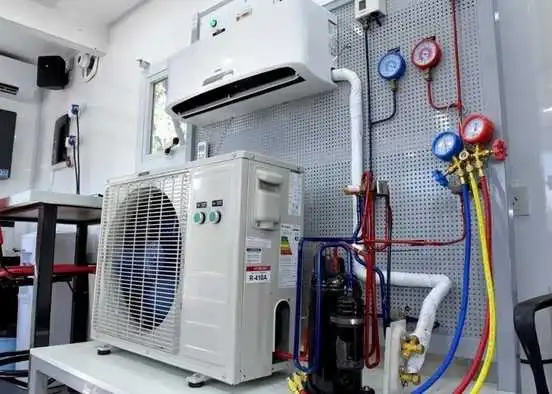
How Efficient Is Your Heating and Cooling System?
To ensure your heating and cooling system operates efficiently, regular maintenance is key:
- Filters: Regularly check and change air filters every 1-3 months, depending on the type and usage. This prevents airflow restrictions, improving both efficiency and indoor air quality.
- Ductwork: Inspect and seal any leaks in your ductwork. According to ARS/Rescue Rooter, up to 20% of heated or cooled air can be lost through leaky ducts, significantly wasting energy.
- Thermostat: Consider using a smart thermostat to optimize temperature schedules and learn your usage patterns. Ensure your thermostat is properly calibrated and placed away from drafts or heat sources to avoid inaccurate temperature readings.
Are Your Appliances and Lighting Wasting Energy?
Next, examine your light fixtures and the types of bulbs you are using. Traditional incandescent bulbs consume up to 75% more energy than LED bulbs, directly leading to higher electricity bills.
Also, assess your use of power strips and electronics. Devices left plugged in or in standby mode can contribute to “phantom loads,” quietly draining energy even when not in use. To prevent such waste, consider switching off devices when not in use or using smart power strips. For a more sustainable approach, explore incorporating renewable energy sources like solar or wind power, coupled with battery energy storage solutions to store energy for later use.
Analyzing Your Utility Bills
Analyzing your utility bills systematically is a powerful way to monitor and understand your home’s energy consumption. This step is crucial for anyone learning how to conduct a home energy audit effectively.

- Collect and Organize Utility Data: Gather monthly utility bills for electricity, gas, water, and other relevant services. Maintain digital records for easy access and comparison over time. Identify key billing components like consumption charges, demand charges, taxes, and service fees.
- Use Energy Management Tools: Consider implementing software tools (examples include energy management systems (EMS), smart meters, sensors, data analytics platforms, and automation systems) to automate the tracking and analysis of utility bills. Real-time monitoring systems can help identify anomalies as they occur.
- Compare Utility Costs with Benchmarks: Establish baseline consumption levels using your historical data. You can also compare your usage against similar homes or regional averages.
- Detect Billing Errors and Anomalies: Review billing details thoroughly for discrepancies, such as meter reading errors or unexpected rate increases. Contact your utility provider to clarify questionable charges and request corrections when needed.
- Establish a Routine Monitoring Schedule: Conduct monthly reviews of your utility bills to track progress and adjust your energy-saving strategies as needed. Set up quarterly or annual energy audits for more in-depth analysis and long-term planning.
Conclusion
Conducting a home energy audit is merely the beginning. While identifying issues is valuable, the real impact lies in taking action to address them. By performing a walk-through of your home, you can pinpoint air leaks, evaluate insulation levels, and assess the efficiency of your heating and cooling systems, setting the stage for significant energy savings and a reduced environmental footprint. Understanding how to conduct a home energy audit empowers you to take control of your energy use.