 17. April 2026
HOW WINDOW COVERINGS AFFECT HOME TEMPERATURE AND ENERGY EFFICIENCY.
Windows are one of the biggest ways heats enter and leaves a home. This makes them a major factor in both indoor comfort and monthly energy costs. Cellular shades, thermal curtains, and solid shutters are examples of high-performance window coverings that help regulate indoor temperature with minimal effort. By creating a thermal barrier between the glass and the room, these coverings can reduce heat gain by up to 60% and heat loss by up to 40%. To get the most out of them, homeowners often adjust or change window coverings with the seasons to match shifting weather conditions. As a result, improving window insulation is one of the most effective ways to lower energy costs and maintain comfortable indoor temperatures year-round.
How window coverings improve energy efficiency
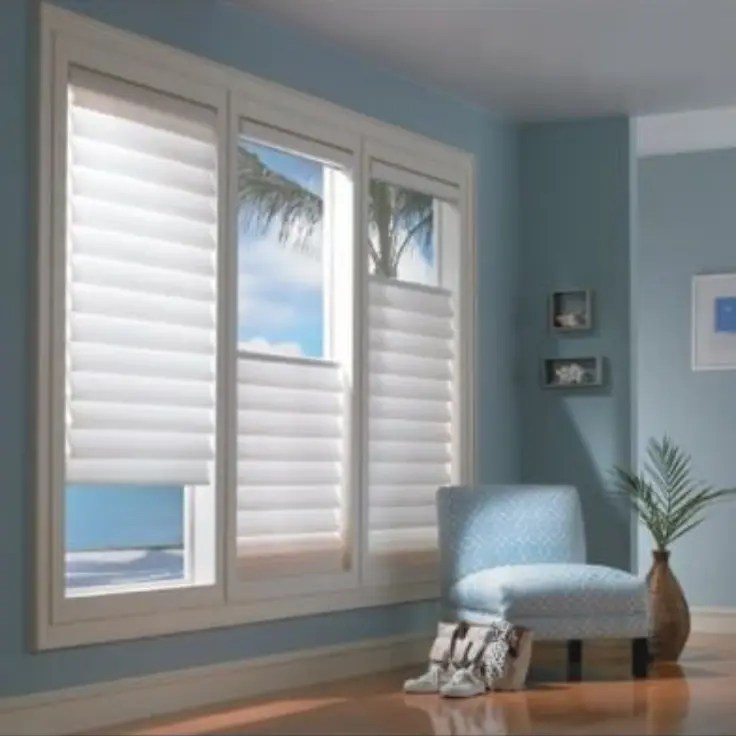
- Cellular shades insulate the home by trapping air: Honeycomb-style pockets create a layer of still air that prevents heat from moving through the window.
- Reflective window coverings bounce solar heat back outside: Light-colored curtains and white-backed drapes act like a mirror, stopping sunlight before it turns into indoor heat.
- Closed shades block significant solar heat gain: Lowering roller or Roman shades on sun-facing windows can reduce heat intake by 33% to 60%.
- Tight-fitting covering seals the window against drafts: Products like plantation shutters sit flush against the frame to stop cold air from leaking in and warm air from escaping.
- Adjustable blinds manage daylight without the heat: Tilting louvered slats reflect natural light onto the ceiling, brightening the room without the intensity of direct sun.
Best window coverings for energy efficiency
- Cellular shades: Often cited as the most efficient, they can reduce heat loss through windows by 40% or more in winter and reduce unwanted solar heat by up to 60% in summer.
- Heavy draperies: When hung close to windows and properly sealed at the edges (using cornices or Velcro), they can significantly reduce heat loss, with performance improving dramatically compared to standard curtains.
- Shutters: They are typically custom-fitted and rigid; they provide superior protection against extreme temperature exchange.
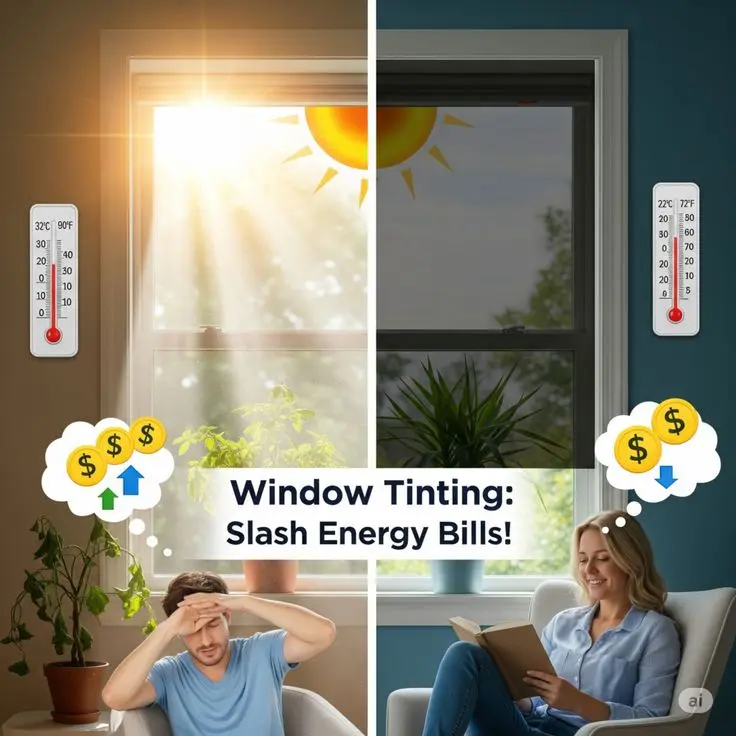
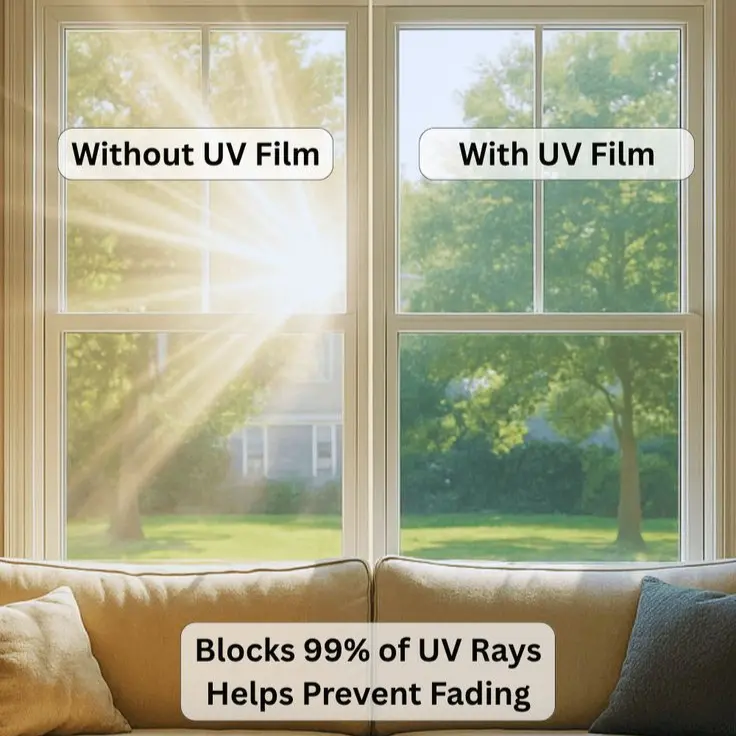
- Window Films: These thin layers are applied directly to glass and help control heat without blocking light. Among the most effective types are low-emissivity (low-e) films, which reflect heat while still allowing sunlight to pass through, making them ideal for maintaining indoor comfort year-round without affecting visibility.
- Awnings: Exterior awnings can reduce summer heat gain by up to 77% on south-facing windows.
Benefits of Energy-Efficient Window Coverings
- Investing in the right window coverings provides long-term benefits:
- Lower energy bills
- Reduced reliance on air conditioning and heating systems
- Improved indoor comfort year-round
- Enhanced home insulation efficiency
- Reduced carbon footprint
Conclusion
Choosing the right window coverings is one of the simplest and most effective ways to improve home insulation.
Sources
- U.S. Department of Energy (Energy Saver) –energy-efficient-window-coverings
- ResearchGate: The thermal performance of window coverings in a whole-house test facility with single-glazed sash windows
- ResearchGate – Thermal_efficiency_of_the_window_shade
- SAGE Journals – Influence of window coverings on building energy use