 24. July 2025
HOW TO REDUCE INDOOR AIR POLLUTION
Indoor Air Quality (IAQ) refers to the air quality within and around buildings, and it’s a critical factor impacting human health, productivity, and overall well-being. Poor IAQ can lead to various health risks, reduce productivity, and have long-term negative effects. Conversely, proper ventilation and filtration are essential for maintaining healthy indoor environments. This guide will walk you through top tips on how to reduce indoor air pollution and create a healthier home for you and your family.
Common Indoor Air Pollutants
Before we dive into solutions, let’s identify the most common air pollutants that compromise your indoor air quality:
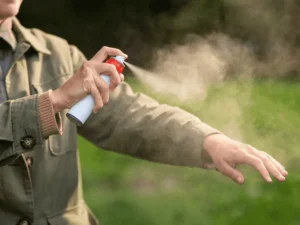
- Volatile Organic Compounds (VOCs): These are chemicals that easily evaporate at room temperature. They can be released from a wide range of everyday products like paints, cleaning supplies, adhesives, furniture, and various building materials.
- Particulate Matter: This category includes tiny particles such as dust, pet dander, pollen, and smoke. These microscopic particles can remain suspended in the air for long periods and are easily inhaled.
- Biological Pollutants: These are living organisms or their byproducts, including mold, mildew, bacteria, and viruses. They often thrive in humid environments, particularly in damp areas of your home.
Steps to Reduce Indoor Air Pollution
There are several effective measures you can take to minimize indoor air pollutants and create a healthier living environment:
1. Improve Ventilation
Proper ventilation is paramount for maintaining good indoor air quality.
- Open Windows: Whenever possible, especially during pleasant weather, open windows to allow fresh air to circulate.
- Use Exhaust Fans: Always use exhaust fans in kitchens when cooking and in bathrooms when showering to remove moisture and airborne contaminants.
2. Keep a Clean Environment
Regular cleaning is fundamental to reducing indoor air pollution.
- Dust and Vacuum Frequently: This helps remove dust mites, pet dander, pollen, and other allergens.
- Focus on Accumulation Areas: Pay special attention to areas that tend to accumulate dust, such as carpets, upholstery, curtains, and high surfaces.
3. Use Natural Cleaning Products
Many conventional cleaning products contain harsh chemicals that can release harmful fumes into the air.
- Opt for Natural Alternatives: Choose natural or DIY cleaning solutions to eliminate hundreds of harmful chemicals from your home. Look for products labeled “non-toxic” and review ingredient lists carefully.
4. Control Humidity
Maintaining optimal humidity levels (ideally between 40-50%) is crucial to prevent the growth of mold and mildew.
- Use Dehumidifiers: Employ dehumidifiers in damp areas like basements or bathrooms.
- Ensure Proper Ventilation: Adequate ventilation in bathrooms and kitchens is essential to reduce moisture build-up from daily activities.
5. Properly Maintain HVAC Systems
Regularly inspect and maintain your heating, ventilation, and air conditioning (HVAC) systems to ensure they function efficiently and contribute to clean air.
- Change Filters Regularly: Change filters as recommended by the manufacturer (typically every 1-3 months) to prevent the circulation of dust, allergens, and other pollutants.
7. Keep Indoor Plants
Certain indoor plants can act as natural air purifiers.

- Air-Purifying Plants: Varieties like spider plants, peace lilies, and snake plants are known to absorb toxins and release oxygen.
- Strategic Placement: Place these plants throughout your home to naturally enhance indoor air quality and complement your decor.
8. Avoid Smoking Indoors
Tobacco smoke is a significant source of indoor air pollution.
- Encourage Outdoor Smoking: If someone in your household smokes, strongly encourage them to do so outdoors to prevent harmful chemicals from entering the indoor air. Ideally, avoid smoking or being around tobacco smoke completely for optimal health.
9. Install Carbon Monoxide Detectors
Carbon monoxide (CO) is a colorless and odorless gas produced by faulty fuel-burning appliances or inadequate ventilation.
- Strategic Placement: Install CO detectors near sleeping areas and any fuel-burning appliances (such as furnaces, water heaters, and stoves) to ensure early detection and prevent CO poisoning.

Conclusion
To breathe more easily and live healthier at home, focus on three key strategies for reducing indoor air pollution: eliminating pollutants at their source, improving ventilation, and using air filtration. Start with small, manageable changes, and utilize resources like the EPA guidelines and reputable product recommendations for further guidance on how to reduce indoor air pollution effectively.