 22. July 2025
HOW TO START COMPOSTING AT HOME: EFFECTIVE GUIDE
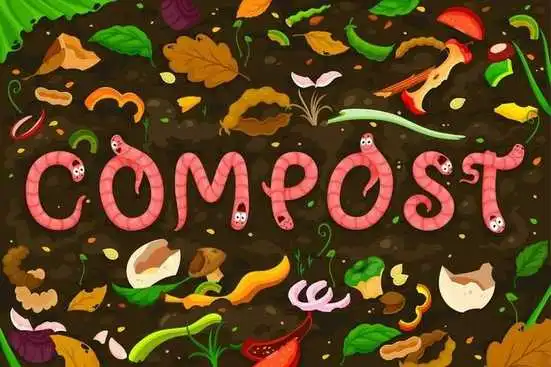
Composting is a valuable practice that transforms organic matter, such as food waste, into nutrient-rich soil. This not only significantly reduces waste and improves soil health but also combats climate change by mitigating greenhouse gas emissions from landfills. Despite common myths about its complexity or unpleasant smell, composting at home is accessible to and beneficial for both home gardeners and large-scale operations.
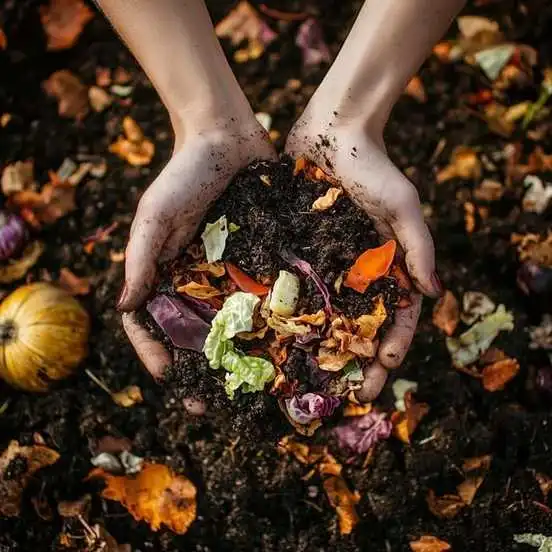
A variety of organic materials can be composted, including vegetable scraps, coffee grounds, grass clippings, dry leaves, cardboard, and paper. However, you should avoid composting meat, dairy, oily foods, and pet waste as these can attract pests and cause unpleasant odors.
A. How to Start Composting at Home: What You’ll Need
To begin composting at home, you’ll need:
- A designated space
- A composting container (bin or pile)
- A mix of carbon-rich “browns” (like dry leaves, wood chips, shredded paper) and nitrogen-rich “greens” (like food scraps, grass clippings, etc.)
Optional tools that can help you monitor and maintain the composting process include a compost thermometer and an aerator.
B. Ideal Locations for Your Compost System
An ideal spot for your compost system is a well-drained area in your backyard, preferably sheltered from extreme weather and easily accessible year-round. A sunny spot can speed up the process, but an area with shade is also acceptable.
If you have limited space, a balcony can be used for smaller, contained composting systems. For example:
- Vermicomposting (worm composting) can be done indoors in a container, often under the sink or in a closet. It requires a cool, dark place with good ventilation. This process provides numerous advantages for soil and plant health. It works by enhancing soil structure, improving water retention, and increasing the availability of nutrients for plants. Furthermore, it fosters beneficial microbial activity, helps suppress harmful pathogens, and can contribute to the remediation of polluted soil.
- Bokashi composting is also suitable for indoor use, typically in a kitchen or garage. It requires an airtight container and a warm, dark place to ferment. Bokashi composting offers notable advantages, including faster decomposition and reduced odor, and can process a wider range of food waste than traditional composting. As a space-efficient method, it’s ideal for apartments and small spaces, yielding a nutrient-rich soil amendment.
No matter where you set up, ensure good ventilation and drainage.
C. Step-by-Step Composting Process
Creating a successful compost pile is all about balance. To start composting at home effectively, follow these steps:
- Start with a layer of brown materials for good aeration.
- Add a layer of green materials.
- Sprinkle some soil or finished compost to introduce beneficial microorganisms.
- Repeat these layers until your pile is about three feet high.
- Water the pile until it’s moist but not soaking wet.
- Aim for a ratio of about three parts brown to one part green materials by volume.
That’s how easy it is to compost at home.
D. Tips for Maintaining a Healthy Compost Pile
As the materials in your compost pile begin to decompose, the temperature will initially rise, especially in the center. A well-maintained backyard pile can reach temperatures of 130° to 160° F, which helps reduce pathogens and weed seeds. Turning and mixing your pile periodically (every 3-4 days) will help accelerate the decomposition process and aerate it. Use a garden fork to turn the outside of the pile inward.
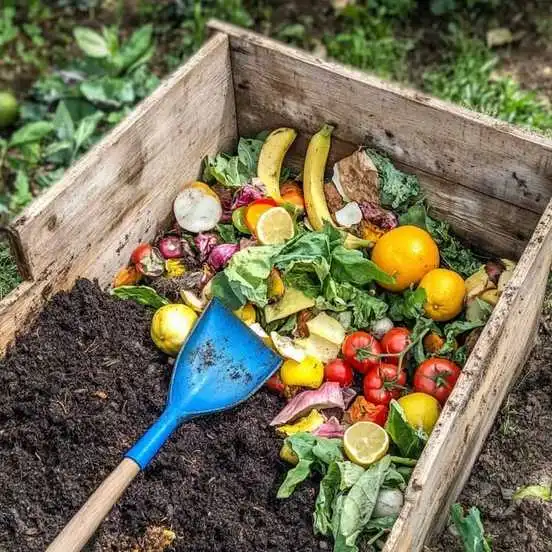
Monitor your pile for moisture, odor, and temperature, and make adjustments as needed. Mastering how to start composting at home involves consistent monitoring:
- If the pile is too dry, the composting process will slow or cease. Moisten the pile and turn it.
- If the pile has a bad odor, it may be too wet or need more air circulation. Add more browns/dry material and turn the pile.
- If the pile is not heating up, mix in more greens and turn the pile.
E. Identifying a ready compost
You’ll know your compost is ready when it meets these characteristics:
- Color: Dark brown or black, similar to rich topsoil.
- Texture: Crumbly and spongy, with no large, identifiable pieces of the original materials.
- Smell: An earthy, pleasant smell, like damp woodland or fresh soil.
- Temperature: Cool to the touch, indicating that the decomposition process has slowed down.
Conclusion
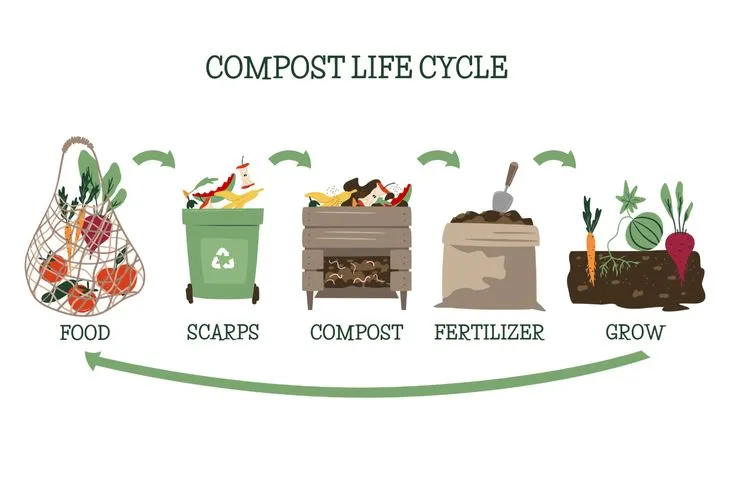
Composting transforms waste into valuable garden soil, offering a multitude of benefits. Environmentally, it reduces landfill waste and greenhouse gas emissions. Financially, it saves fertilizer costs and helps you produce healthier, more productive gardens at home. Now, you have a solid understanding of how to start composting at home and contribute to a healthier environment.