 25. September 2025
HOW TO ENSURE POOL SAFETY FOR KIDS: 4 PRACTICAL TIPS
Pool safety for children is not optional; it’s essential. Children, especially toddlers, are naturally curious and drawn to water. They love splashing, filling cups, and watching ripples. Unfortunately, they don’t yet understand the dangers. Toddlers also have disproportionately heavy heads compared to their bodies, making it hard for them to lift themselves if their face goes underwater. Drowning can occur in as little as 10 seconds and in just a few inches of water, often without a sound.
One effective way to reduce this risk is by enrolling children in swimming classes early, where they can learn basic water safety skills and gain the confidence needed to stay safer around water. This guide combines practical pool safety tips, toddler drowning prevention strategies, and steps every parent should know.
Four Core Pool Safety Tips
Pool safety doesn’t have to feel overwhelming. By focusing on a few core areas, rules, supervision, water skills, and equipment, you can create a safe environment that allows children to enjoy the water while minimizing risks. Let’s break them down.
1. Establish and Enforce Pool Rules
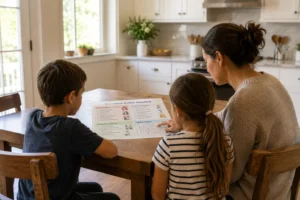
Every safe pool environment starts with clear, simple rules. Children need to know what is expected of them around the water, and more importantly, why these rules matter.
Key rules to introduce:
- No running around the pool.
- No diving in shallow areas.
- Stay away from pool drains.
Revisit and reinforce these rules regularly so they become second nature.
2. Prioritize Constant Supervision
Supervision is the single most important safety measure, and it goes beyond just “keeping an eye out.” Parents and caregivers should practice active supervision, meaning their attention is fully on the children in the water.
A practical approach is to assign a “Water Watcher.” This person is solely responsible for monitoring the pool for a set period (usually 15–20 minutes) before passing the role to another adult. Formalizing this role prevents the common mistake of assuming “someone else is watching.” Even in pools with lifeguards, personal supervision ensures that risks are identified and handled immediately.
3. Teach Swimming and Water Safety Skills
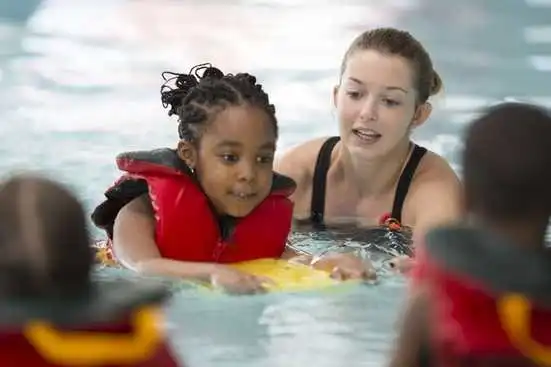
Prevention also means empowering children with skills. Swimming lessons not only build confidence but also provide life-saving abilities. Start early—according to the American Academy of Pediatrics (AAP), lessons can begin as early as age 1. Teach children:
- How to float or tread water.
- Safe and independent ways to exit the pool.
4. Invest in the Right Safety Equipment
Physical barriers and equipment are vital layers of protection. Ensure your pool area includes:
- Life vests for inexperienced swimmers.
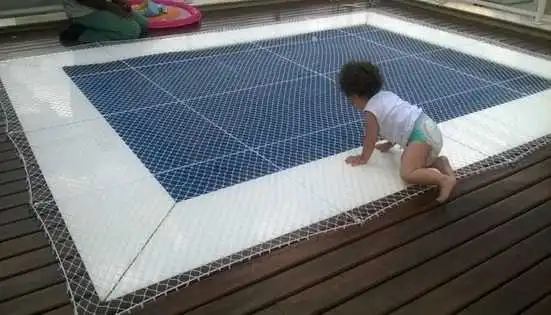
- A four-sided fence with self-closing, self-latching gates.
- Pool and door alarms.
- A rigid, motorized pool cover.
Always check local regulations for pool fencing and safety standards, as requirements vary by location. Beyond compliance, these measures provide peace of mind. Inspect all equipment regularly for damage or wear and always remove pool toys after use to prevent them from tempting children back into the water.
The Role of CPR and First Aid in Pool Safety
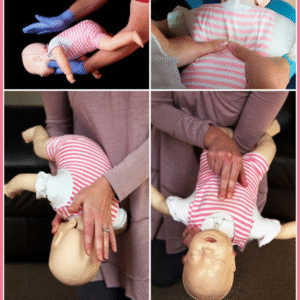
Even with strong prevention measures, accidents can still occur. That’s why every parent and caregiver should consider becoming trained in CPR and basic first aid.
Being prepared to act in the first critical minutes of an emergency can save a child’s life. Certification courses are often available through the Red Cross, hospitals, or local fire departments. Think of it as completing your safety toolkit: rules and equipment help prevent accidents, while CPR training ensures you’re ready if the unthinkable happens.
Conclusion
The key to pool safety is combining play with precaution. Clear rules, active supervision, swimming lessons, proper equipment, and CPR training all help keep your family safe.