 03. July 2025
MAINTAINING POOL’S pH LEVELS: WHAT YOU NEED TO KNOW
A sparkling, clean pool is the centerpiece of any backyard, but maintaining perfect water balance requires attention to detail, especially when it comes to pH levels. The pH (potential of Hydrogen) level of pool water is crucial for both the safety and comfort of the swimmers and the longevity of the pool itself. Regular testing and timely adjustments prevent common issues like skin irritation, equipment corrosion, and cloudy water, while ensuring sanitizer works effectively. This guide will help you understand the ideal pH level, its importance, the effects of an imbalanced pool’s pH, how to easily test it, and the steps to take to adjust it when necessary.
What is Pool pH?
The pH measures how acidic or alkaline the pool water is, on a scale of 0 to 14. A pH of 7 is neutral, like pure water. Anything below 7 is acidic, and anything above 7 is alkaline. While pure water is neutral, the starting pH of pool water can vary based on the local water source. When chlorine and other chemicals are added to sanitize the water, these additions can either raise or lower the pool’s ph.
Several factors constantly influence a pool’s pH, including water hardness, weather, temperature, the filtration system, and even the number of swimmers. This constant fluctuation means monitoring and adjusting the pool’s pH will be a regular part of one’s pool maintenance routine.
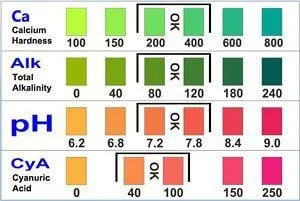
The ideal pH measurement: The acceptable range for pool water pH is between 7.2 and 7.8, with an optimal target of 7.4 to 7.6.
Effects of Improper pH Levels in pool
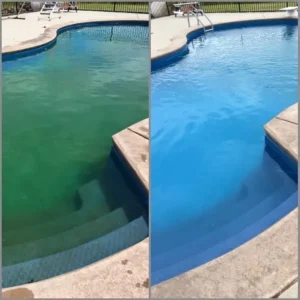
Failing to keep the pool’s pH within its ideal range carries significant risks. An imbalanced pH level can swiftly trigger a series of problems, including:
- For Low pH (Below 7.2 – Acidic Water)
- Causes skin and eye irritation
- Corrodes metal fixtures, ladders, and pool equipment
- Damages pool liners and plaster surfaces
- Reduces chlorine effectiveness
- High pH (Above 7.8 – Alkaline Water)
- Leads to cloudy water and scaling
- Reduces chlorine’s sanitizing power
- Causes scaling on pool surfaces and filters
- Can clog filters and reduce water circulation
How to Test the Pool’s pH
Regular testing is key to maintaining balanced water. Here are the most common methods:
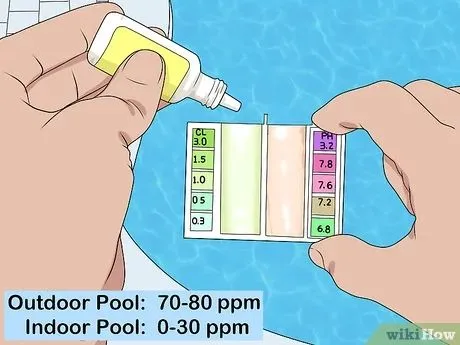
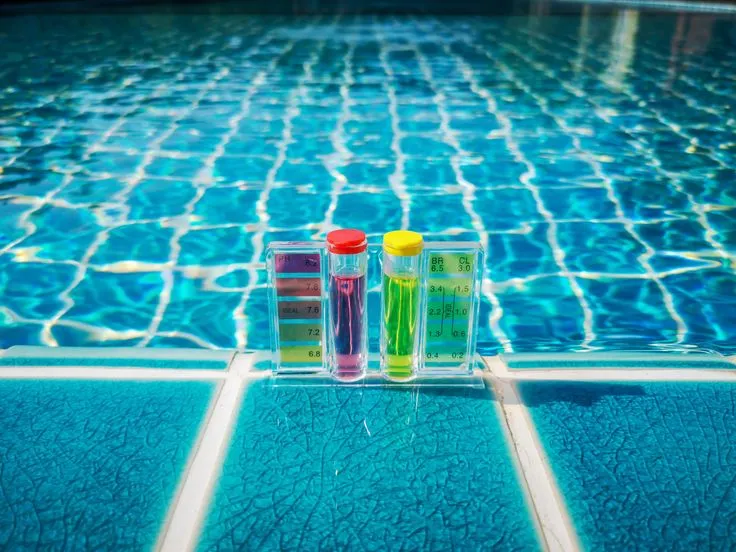
- Test Strips – Quick and easy, dip a strip into the water and compare colors to a chart.
- Liquid Test Kits – More precise, using drops that change color based on pH levels.
- Digital pH Meters – Highly accurate but require calibration and maintenance.
Test Frequency: At least 2-3 times per week, and after heavy pool use or rainstorms.
How to adjust pool water pH?
Adjusting the pool’s pH involves adding specific chemicals to bring it back into the desired range of 7.2 to 7.8.
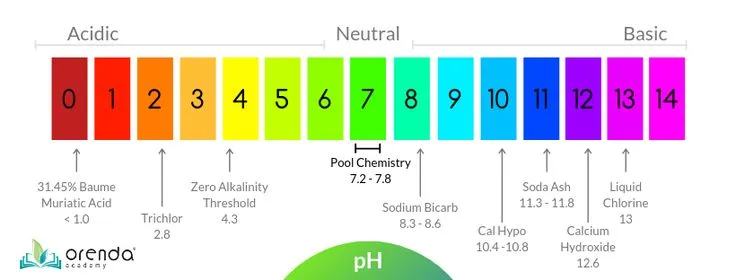
- To lower the pool’s pH (if it’s above 7.8), add an acid; common options include muriatic acid or sodium bisulfate (dry acid).
- To raise the pool’s pH (if it’s below 7.2), add an alkaline base; popular choices are sodium carbonate (soda ash) or sodium bicarbonate (baking soda).
Always follow the directions on your specific pool chemical’s package carefully, as dosage depends on your pool size and current pH levels.
Tips for Keeping pH Balanced
- Maintain Proper Alkalinity: Total alkalinity (80-120 ppm) acts as a pH buffer, preventing drastic swings.
- Check After Adding Chemicals: Shock treatments, algaecides, and chlorine can affect pH.
- Monitor Calcium Hardness: The Ideal range is 200-400 ppm to prevent scaling or corrosion.
- Keep Your Pool Clean: Regularly cleaning the pool is crucial because debris and organic matter can alter pH levels over time. Remove leaves, dirt to help maintain chemical balance.
Conclusion
By understanding the basics of pH and alkalinity, you empower yourself to keep your pool sparkling clear and perfectly balanced all season long. Consistent care truly makes all the difference! Invest in an automated pH monitor for hassle-free maintenance and consistent results.