 04. July 2025
MOLD AND YOUR HOME: ULTIMATE GUIDE
Mold is a natural part of the environment, breaking down organic matter, such as leaves and wood. However, when it grows indoors, it can damage your home and affect your health. Understanding how mold grows, how to prevent it, and how to safely remove it can help you maintain a healthier living space.
How Mold Grows in Your Home
Mold thrives in damp, humid conditions and can grow on almost any surface where moisture is present. It spreads through tiny spores that float in the air, attaching to wet surfaces and multiplying. Common sources of indoor moisture that encourage mold growth include:
- Leaks (roof, plumbing, or foundation)
- Poor ventilation (bathrooms, kitchens, laundry rooms)
- Condensation (on windows, pipes, or walls)
- Flooding or water damage
- Humidifiers or drying clothes indoors
Since mold spores are always present in the air, the key to preventing mold is controlling moisture.
How to Spot Mold in Your Home
Mold is often visible or detectable by its musty odor. Signs of mold include:
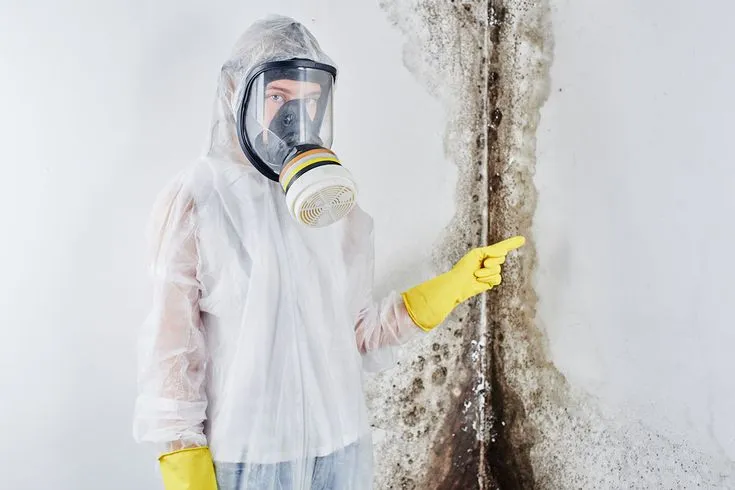
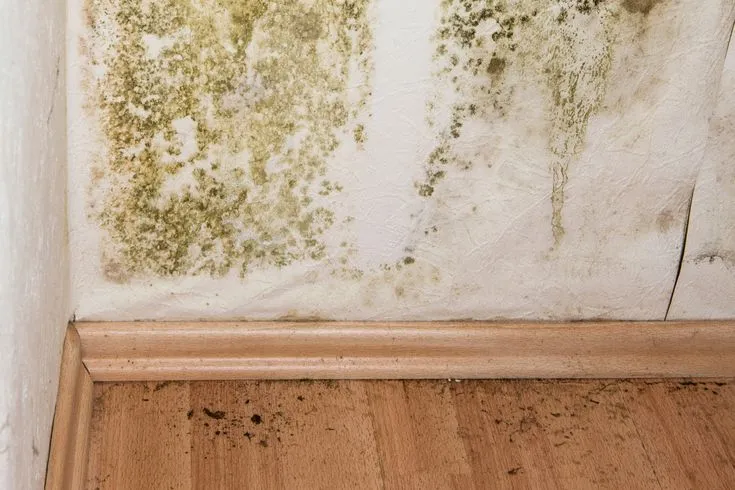
- Discolored patches (black, green, white, or gray) on walls, ceilings, or floors
- Peeling paint or warped surfaces (indicating hidden moisture)
- A persistent musty smell (especially in basements, bathrooms, or crawl spaces)
Areas most prone to mold growth include:
- Bathrooms (shower grout, tiles, and curtains)
- Kitchens (under sinks, around dishwashers)
- Basements (due to poor ventilation)
- Around windows and air conditioners (where condensation forms)
How to Prevent Mold Growth
The best way to control mold is to prevent excess moisture. Here’s how:
- Fix leaks immediately: Repair roof leaks, plumbing issues, and foundation cracks.
- Improve ventilation by using exhaust fans in bathrooms and kitchens, and open windows when possible.
- Dry wet areas quickly and clean up spills, dry wet carpets, and avoid leaving damp clothes or towels lying around.
- Direct water away from your home by using gutters and downspouts that drain properly, and slope soil away from the foundation.
How to Safely Remove Mold
If you find mold, act quickly to prevent further spread:
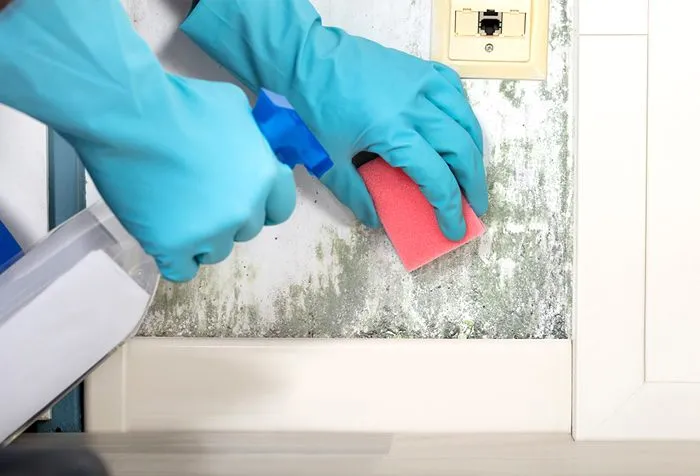
- For small areas: Clean with soap and water or a bleach solution (1 cup bleach per 5 gallons of water). Wear gloves and a mask for protection.
- Porous materials (carpet, drywall, insulation): Discard if heavily moldy, as they can’t be fully cleaned.
- Large infestations: Hire a professional mold remediation company.
Never ignore mold, even if you clean it, it will return unless the moisture problem is fixed.
Health Risks of Mold Exposure
For most people, mold causes mild allergic reactions, but some individuals are more sensitive, including those with:
- Asthma or allergies
- Chronic respiratory conditions
- Weakened immune systems
Common symptoms of mold exposure include:
- Sneezing, coughing, or wheezing
- Itchy eyes, nose, or throat
- Skin irritation or rashes
- Headaches or fatigue
If you suspect mold is affecting your health, consult a doctor, as symptoms can be similar to other conditions.
Conclusion
Mold is a common issue, but it doesn’t have to take over your home. By controlling moisture, cleaning promptly, and addressing leaks quickly, you can keep mold at bay. If you’re dealing with a major infestation or health concerns, don’t hesitate to call professionals. A dry home is a healthier home, so stay vigilant and act fast when mold appears.