
 14. July 2025
THE IMPORTANCE OF CROP ROTATION FOR PEST PREVENTION
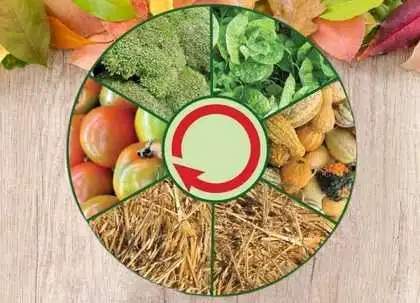
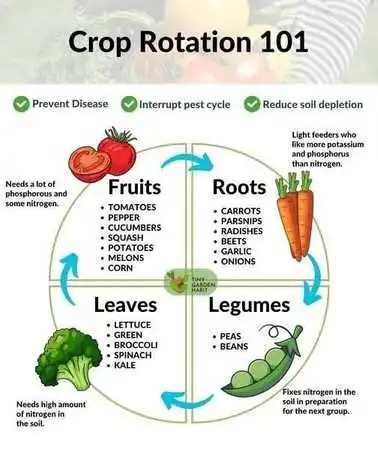
Managing insect pests in crops without using pesticides is no easy task for organic farmers. Organic farmers rely largely on good management practices, such as crop rotations, to keep pests in check. Crop rotation involves growing different crops in the same field in a sequence over time, alternating between two or more crops. By targeting pest lifecycles and reducing pest pressure over time, crop rotation helps create more resilient growing systems, improve soil health, and boost yields. This article explores the importance of crop rotation for pest prevention and provides a step-by-step guide to implementing it in your garden.
Importance of crop rotation for pest prevention
Crop rotation has many agronomic, economic, and environmental benefits compared to monoculture cropping. The benefits include:
Healthy soils
- Improved soil structure, including aeration and water filtration, helps reduce run-off and water pollution.
- Consistent ground cover and a lower need for excessive tillage reduce soil erosion.
- Healthy soils store more carbon from the atmosphere, helping reduce the climate change’s greenhouse gas (GHG) impact.
Boost fertility
- Crop rotation results in more organic matter in the soil, making it more fertile.
- Use of available nutrients is optimized when different crops require different nutrients.
- Fertile soils increase crop yields and reduce the need for chemical fertilizers.
Weed Management
Crop rotation provides the foundation for long-term organic weed management. Different crops compete with weeds for resources like sunlight, water, and nutrients. Planting a wide variety of crops with varied characteristics reduces the likelihood that specific weed species will become dominant, and even “trap” weeds into life cycle dead ends that curtail reproduction.
Soil-Borne Disease Management
Many soil-borne diseases can persist in the soil for years, waiting for a suitable host crop to infect. By rotating crops, we can reduce the chances of a disease infecting the same crop repeatedly. This prevents the buildup of harmful pathogens in the soil and minimizes the risk of disease outbreaks.
Breaking Pest Life Cycles
Crop rotation helps control pests by breaking their life cycles. Many pests and diseases are host-specific, meaning they can only survive and reproduce on particular host crops. When we rotate crops, we replace the host crop with a non-host crop, depriving pests of their food source. As a result, their populations decline, and the risk of infestation decreases.
Promoting Beneficial Insects
Crop rotation also encourages the growth of beneficial insects that prey on harmful pests. Providing a diverse range of plants creates a more balanced ecosystem in the garden. This balance helps control pest populations without resorting to chemical interventions.
Better economic stability
- Diversification of crops reduces risks for farmers if pests or weather affect a particular crop.
- Reducing the need for chemical inputs helps save on costly expenses.
- Decreasing pest populations can lead to fewer crop losses and a reduced need for expensive pest control treatments.
Improvement in Crop Yields
Yields are higher when a crop different than the preceding crop is grown. For example, growers have reported an increase in crop yields by as much as 10 percent or greater for both corn and soybeans when they are grown in a rotation, compared to either continuous corn or continuous soybeans.
Conclusion
Rotating crops is a critical tool for reducing pest populations in the field. It is a key pillar of integrated pest management and has many benefits. Studies have shown that it is effective in increasing yields and reducing the need for pesticides and fertilizers through natural pest suppression.