 08. January 2026
IDENTIFYING AND PREVENTING BLOSSOM END ROT
Blossom end rot (BER) is a common plant growth problem that affects tomatoes, peppers, eggplants, and squash. It occurs when calcium doesn’t reach developing fruits, typically due to inconsistent watering or soil imbalance. It is not a disease or pest issue, just a plant responding to stress.
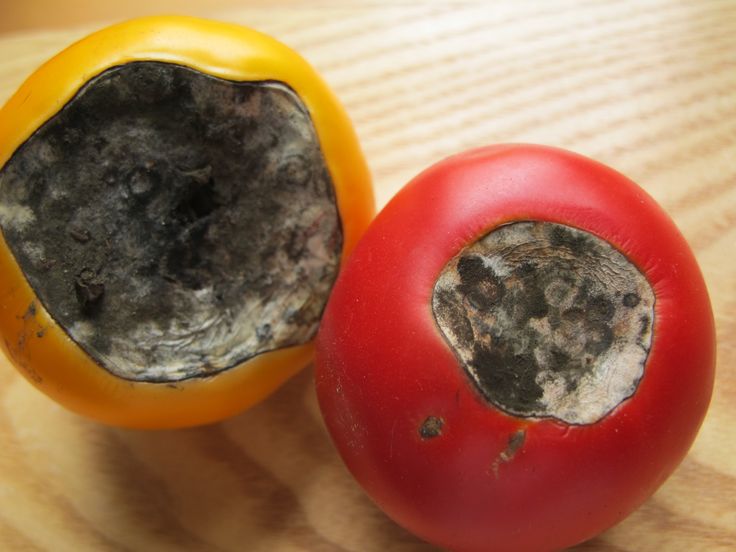
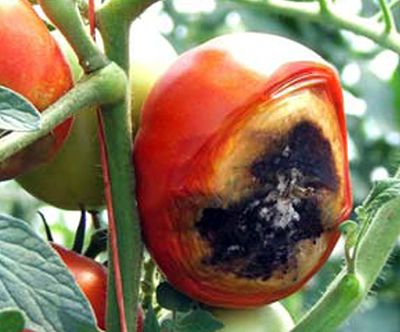
Identifying Blossom End Rot
A dark, sunken, or water-soaked patch begins to form at the bottom of the fruit. As it progresses, the spot turns black, dry, and leathery. Once a fruit is affected, it cannot recover, so it’s best to remove it and allow the plant to redirect its energy into producing healthy new fruits.
What Causes Blossom End Rot
- Inconsistent watering: letting plants dry out and then overwatering.
- Rapid vegetative growth: often from too much nitrogen.
- Soil pH imbalance: Calcium may be present but unavailable.
- Root stress: from digging, compaction, or waterlogged soil.
- Heat and humidity stress: affects transpiration, which moves calcium.
- Poor airflow and very high humidity: Slows down moisture movement inside the plant.
Preventing Blossom End Rot
Follow these six steps to protect your crop:

1. Keep Soil Moisture Consistent
- Water consistently, aiming for about 1 inch of water per week.
- Mulch the soil to prevent drying out.
- Use drip irrigation or a watering can at the base of the plant to avoid fluctuations.
2. Ensure Proper Calcium and Soil Balance
- Test your soil to check calcium levels and pH (ideal: 6.0–6.8).
- Add long-term calcium sources (if tests show deficiency): lime, gypsum, finely crushed eggshells.
- Only add amendments when needed to avoid nutrient imbalance.
3. Use Fertilizer Wisely
- Avoid high-nitrogen fertilizers, especially ammonium-based ones.
- Use balanced fertilizers that support steady growth.
- Nitrate-based nitrogen is gentler and doesn’t compete as much with calcium uptake.
4. Provide Calcium at the Right Time
- Foliar calcium spray: Fast, short-term solution: Useful during fruit formation when plants are stressed.
- Soil calcium amendments: Slow, long-term solution: Best applied before planting or early in the season.
5. Protect the Roots
- Avoid digging around the plant once it starts fruiting.
- Ensure good drainage to prevent root damage from soggy soil.
- Improve airflow around plants to reduce humidity and heat stress.
6. Remove Affected Fruit
- Remove any fruit showing blossom end rot; they won’t heal, and removing them helps the plant focus on new, healthy growth.
Conclusion
Blossom end rot is not a disease, just a watering and nutrient balance issue. By maintaining steady soil moisture, ensuring proper calcium levels, using balanced fertilizers, and protecting the root system, you can prevent BER and help your plants produce healthy, beautiful fruits throughout the season.