
 28. January 2026
HOW TO IDENTIFY AND CONTROL CUTWORMS.
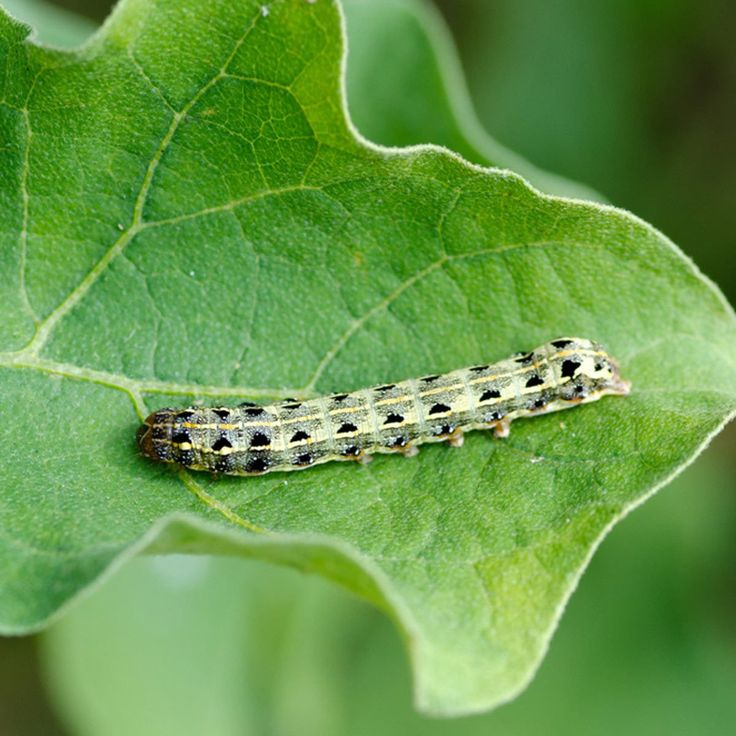
Few things are more frustrating for a gardener than finding young seedlings chewed or cut at the soil line. The culprit is often the cutworm, a caterpillar-like larva of certain moths. Unlike other pests, cutworms can completely destroy a young plant overnight. This guide explains what cutworms are and how to stop them using safe, easy methods, no chemicals needed, so your garden stays healthy and safe for the whole family.
How to recognize Cutworms
Knowing what to look for makes controlling cutworms much easier. Here’s what you should know:
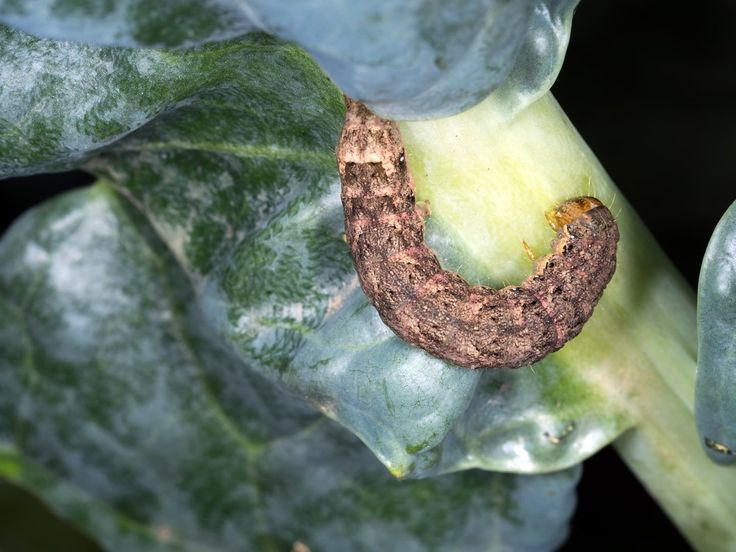
- Appearance: They are 1–2 inches long, with smooth, shiny skin that can be gray, brown, or bronze.
- The “C” Curl: If disturbed, they curl into a tight “C” shape.
- Nighttime Feeders: Cutworms hide in the soil during the day and come out at night to eat.
- Damage: They usually cut seedlings right at the soil line, often destroying the whole plant.
Physical and Cultural Methods
Cutworms primarily target vulnerable, young seedlings, the “window of risk” is relatively short. Using physical barriers is the most professional and effective way to ensure 100% survival rates without the use of chemical sprays:
1. Protective Collars (The Barrier Method)
The most reliable defense is the installation of a physical barrier. This prevents the larva from reaching the stem.
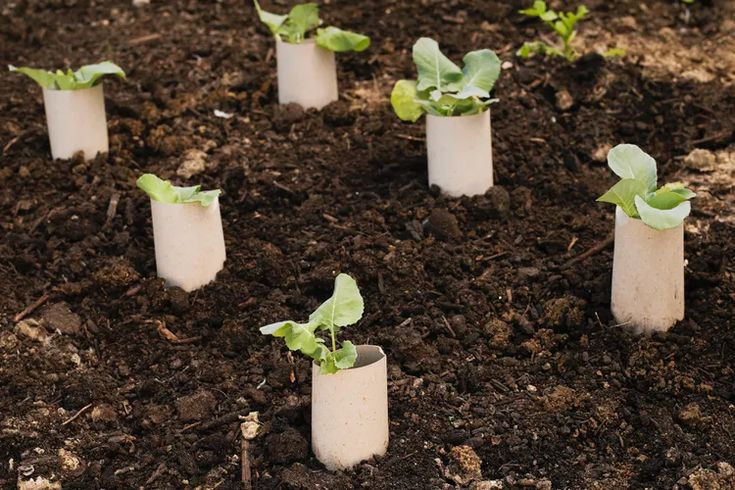
- Materials: Recycled cardboard (toilet paper rolls), plastic drinking cups with the bottoms removed, or aluminum foil.
- Application: Place the collar around the transplant. It must be pushed at least 1 inch into the soil and extend 2 inches above the soil. This prevents larvae from tunneling under or climbing over the barrier.
2. The Stem Proximity Tactic
For gardeners with large numbers of seedlings, placing a small “splint” (such as a toothpick or a small twig) flush against the stem can be effective. Because a cutworm must encircle the stem to cut it, the presence of a rigid object prevents the larva from getting the necessary grip to feed.
3. Soil Disturbance and Tillage
Cultivating the top two inches of soil in early spring can expose overwintering larvae to natural predators like birds and ground beetles. Furthermore, removing “mat-forming” weeds around the perimeter of the garden reduces the number of sites where adult moths prefer to lay their eggs.
Eradication of Cutworms
If damage has already occurred, the goal shifts from prevention to extraction:
| Method | Description | Best For |
| Manual Extraction | Gently dig around the base of a damaged plant with a trowel. You will usually find the larva hiding 1 inch deep. | Small garden plots |
| Night Scouting | Use a flashlight 1-2 hours after sunset to hand-pick larvae directly off the plants. | Immediate population reduction |
| Diatomaceous Earth | Spread a circle of food-grade DE around the plant base. The microscopic sharp edges dehydrate the larvae. | Large infestations |
Conclusion
Managing cutworms does not require complex chemical interventions. By focusing on the critical first two weeks of a plant’s life and implementing physical barriers, you can effectively neutralize the threat. Maintaining a clean garden perimeter and utilizing mechanical controls like collars ensures a healthy, productive garden that remains safe for children and pets to explore. This guide is meant for general information and learning only and is not intended as professional advice.