 26. January 2026
CHILD SAFETY AT SCHOOL: A PARENT’S GUIDE TO TEACHING SAFE BOUNDARIES WITH ADULTS.
Ensuring student safety within educational institutions is a fundamental responsibility that extends far beyond the physical perimeter. While schools are intended to be sanctuaries for learning, comprehensive security relies on more than just structural defenses like locked doors or surveillance systems. True safety is achieved by fostering situational awareness, providing individuals with the internal “radar” and critical discernment necessary to identify and mitigate risks before they escalate.
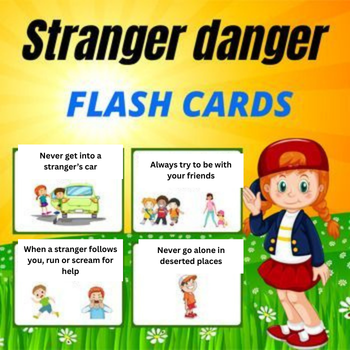
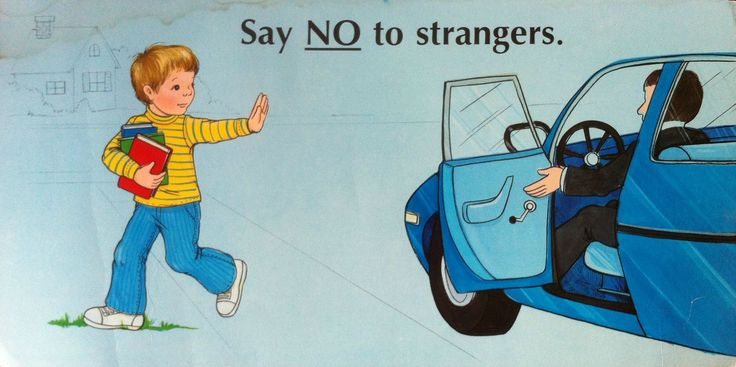
The most powerful safety tool a child can possess is an understanding of their own boundaries and the language to defend them. This guide moves beyond “stranger danger” to focus on the more nuanced, critical reality: teaching children how to establish safe boundaries with all adults, including those they know and trust.
1. Redefining “safe” boundaries
Traditionally, we taught children to fear strangers. Yet, statistics show that children are more often harmed by someone they know. We must shift the conversation from who to trust to how a person behaves:
- The Rule of Three: In places like schools or sports activities, safe adults should not be alone with a child. There should be at least a third person around. Teach your child to be alert if an adult often tries to be alone with them, especially in private spaces.
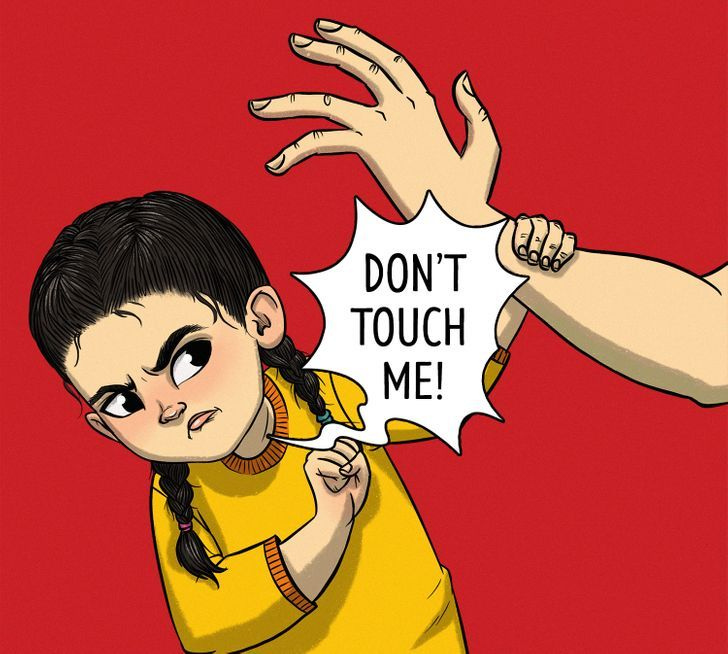
- Body Autonomy: Teach your child that they are the “boss of their body.” This includes the right to say no to forced affection, such as hugging a relative or high-fiving a coach, if it makes them uncomfortable.
- The “Uh-Oh” Feeling: Teach children to notice how their body feels when something doesn’t seem right, like a fast heartbeat, a funny feeling in the stomach, or sweaty hands. Let them know these feelings are their body’s way of warning them to get help or move away.
2. Recognizing the “grooming” red flags
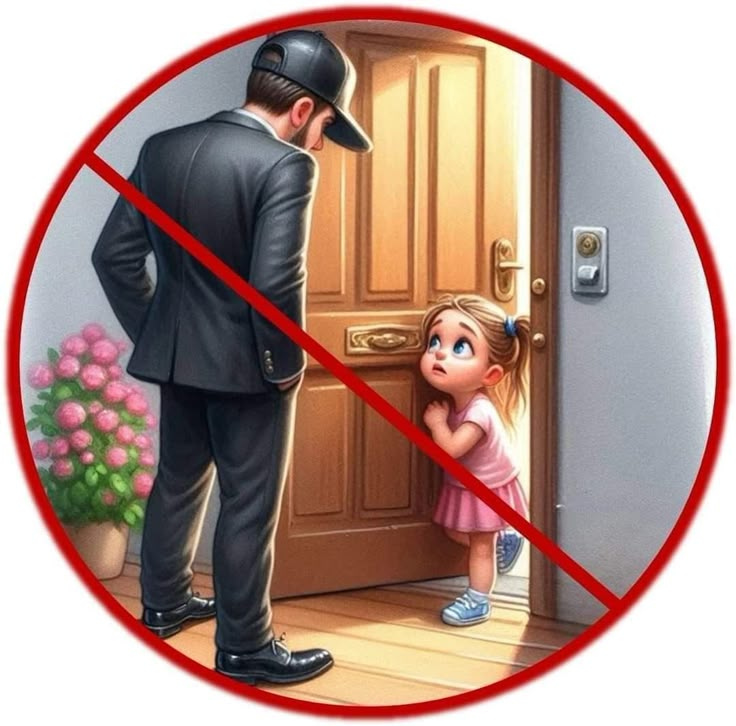
Inappropriate behavior often starts subtly. Parents should be vigilant about adults who:
- Give excessive gifts or “special” attention: This can be an attempt to create a bond of “indebtedness.”
- Engage in “Secrets”: Safe adults do not ask children to keep secrets from their parents. Distinguish between a “surprise” (which is temporary and shared) and a “secret” (which is meant to be hidden forever).
- Blur Physical Boundaries: This means touching that keeps going even after a child says “stop,” like tickling or rough play. It also includes adults who try to be too close when it isn’t needed or feels uncomfortable.
3. Practical steps for school safety
School safety is a partnership between the institution and the home:
- Ask About the Code of Conduct: Does the school have clear guidelines for staff-student interactions? This should include rules on digital communication (texting/social media) and physical touch.
- Open Channels of Communication: Create a “No-Judgment Zone” at home. If a child feels they can tell you anything, even if they think they did something wrong, they are far less likely to be manipulated by an adult.
- Role-Play Scenarios: Practice saying, “I don’t like that, please stop,” or “I need to check with my mom first.” Role-playing gives children the “muscle memory” to respond in high-pressure moments.
4. Teaching consent as a life skill
Consent isn’t just a “big kid” topic; it starts in preschool. By teaching children to ask before touching a friend’s hair or taking someone else’s things, this instills the value that everyone’s personal space is sacred. When children learn to respect others’ boundaries, they become much better at identifying when their own are being ignored.
Conclusion
Child safety isn’t a one-time “talk”; it is an ongoing dialogue. By moving away from fear-based tactics and toward empowerment and body autonomy, children are taught the ways to stay safe not just at school, but for a lifetime. Remember, a child who knows their voice matters is a child who is significantly harder to victimize. Listen to their “Uh-Oh” feelings, respect their “No,” and keep the conversation open.