 09. September 2025
HOW TO MAINTAIN POOL LIGHTS: A COMPREHENSIVE GUIDE
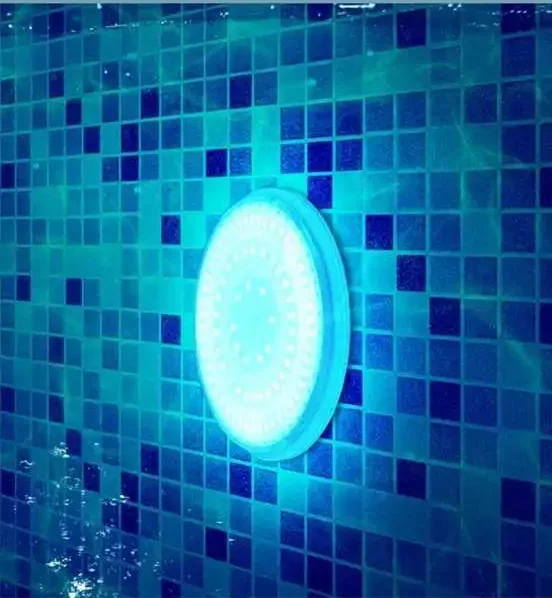
Swimming pool lights are more than just a decorative feature; they’re essential for safety and creating the perfect ambiance for evening swims. However, without regular care, these lights can lose their sparkle or malfunction altogether. Proper pool light maintenance ensures your underwater lights remain a stunning, safe, and long-lasting part of your pool.
This comprehensive guide explains best practices to care for your pool lights, including routine cleaning, electrical safety, and guidance on informed upgrades.
Ensuring Electrical Safety
Electrical safety is the most critical aspect of pool light maintenance. A small mistake can have serious consequences.
- Understanding the GFCI: A Ground Fault Circuit Interrupter (GFCI) is a vital safety device that monitors the flow of electrical current. If it detects an imbalance, such as a ground fault, it will trip and cut off the power in a fraction of a second, preventing electric shock. GFCIs are legally mandated for all electrical equipment connected to pools. Test your GFCI outlets monthly by pressing the “Test” button.
- When to Call a Professional: Never attempt to handle complex electrical issues on your own. If your GFCI keeps tripping, there may be a serious ground fault in the wiring or the fixture. If you see signs of water intrusion, exposed wires, or corrosion, it’s time to contact a qualified electrician or pool technician. They have the expertise and tools to diagnose and safely fix the issue, ensuring proper grounding and preventing potential hazards.
Routine Cleaning for Pool Lights
Regular cleaning is the most effective way to keep your pool lights shining brightly. Dirt, algae, and mineral deposits can accumulate on the light covers, dimming their glow and causing them to appear foggy. Clean your pool light fixtures and covers at least once a month, especially during the swimming season.
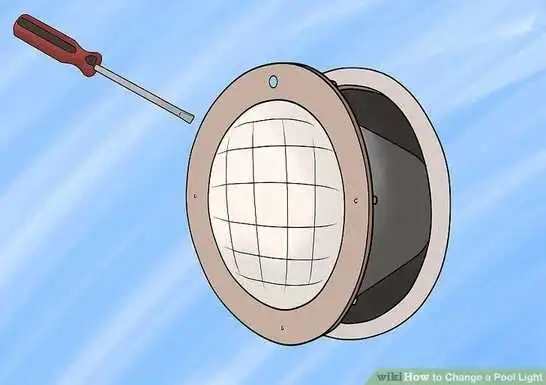
How to Clean:
- While it’s not necessary to drain your pool for underwater light cleaning, you must remove the light fixture from the water to do it safely and effectively. The general process is simple and begins with electrical safety. Always turn off the power to the pool lights at the circuit breaker to prevent electric shock.
- Remove the fixture from its niche in the pool wall. Most pool lights are sealed units designed to be pulled out for service. Once the fixture is out, you can clean it properly. Use a soft sponge or cloth with a mild detergent and water to gently wipe down the light cover. For stubborn mineral buildup, like calcium, a solution of vinegar and water can help dissolve the deposits without damaging the fixture. Avoid abrasive scrubbers, which can scratch the lens.
- Check the seals and gaskets on your pool light fixtures; they’re vital for keeping water out. During cleaning, inspect these rubber seals for any cracks, brittleness, or signs of wear. If a seal is damaged, water can leak into the fixture, causing a short circuit and permanent damage. Replace worn gaskets immediately to maintain a watertight seal and protect the internal components.
- Draining your pool should only be done in extreme cases or for specific repairs, such as a major structural leak or resurfacing the pool’s interior, and always with the guidance of a professional. Draining can cause structural issues or irreversible damage, especially to vinyl or fiberglass pools. Following these steps ensures your lights stay clean and beautiful without unnecessary risk.
Proactive Pool Light Care
Taking preventative measures can significantly extend the lifespan of your pool lighting system and save you from costly repairs:
- Preventing Corrosion: The combination of water and chemicals can cause metal fixtures to corrode. To prevent this, ensure your pool water chemistry is balanced. Maintaining the correct pH (7.2−7.6), alkalinity (80−120 ppm), calcium hardness (200−400 ppm), and chlorine levels (1−3 ppm) will prevent corrosion and scaling that damage your equipment.
- Winterizing Your Lights: As the swimming season comes to a close, it’s essential to prepare your pool for the colder months. Disconnect the power, remove light fixtures, clean them thoroughly, and lubricate the O-rings. Store the fixtures in a dry place to prevent damage and extend their lifespan.
- Upgrading to LED Lighting: If your pool lights are still the older, energy-guzzling incandescent type, upgrading to LEDs is an excellent long-term investment. They use up to 80% less energy, have a significantly longer lifespan (lasting up to 50,000 hours), and provide a brighter, more vibrant light.
Conclusion
Regular maintenance is the key to enjoying a beautiful, safe, and well-lit pool for years. By following a simple schedule of cleaning, inspecting seals, and addressing issues promptly, you can ensure your pool lights remain a captivating and functional feature.