 11. December 2024
6 Best Ways to Remove Holiday Stains: Stews, Oil, and Other related food Stains
In Nigeria, holidays are full of lively festivities, delectable feasts, and lots of action. But the celebratory atmosphere can be quickly destroyed by Christmas catastrophes like oil stains, stew splashes, and other typical spills. It’s a good thing that ordinary household products will save the day instead of costly stuff! This is a thorough approach to removing the most typical stains that Nigerians come across throughout the holidays.
1. Use dish soap and cold water to remove clothes that have stew stains.
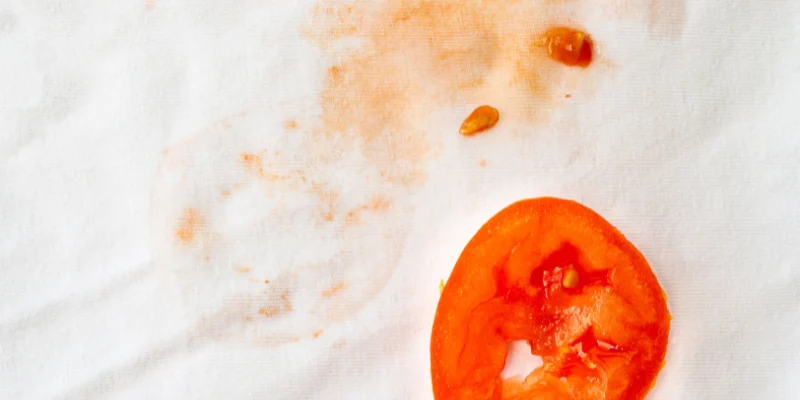
How to: Use a fresh towel to gently blot the discoloration to get rid of extra stew. Avoid rubbing, as this may cause the discoloration to spread. Directly wash the soiled area with liquid dish soap and let it sit there for five minutes. While using your fingers to gently scrape the stain from the cloth, rinse it under cold running water. The reason it works is because the oil and color from the tomato foundation in stews are broken down by dish soap.
Pro Tip: If the stain is difficult to remove, add a little white vinegar and then give it a good rinse.
2. Use hot water and detergent to remove palm oil stains on clothing.
What to do: Cover the soiled area with a liberal amount of detergent. Give the cloth a 15-minute soak in hot water—as hot as the fabric can withstand. Rinse with warm water after carefully cleaning the area with your hands or a gentle brush. It works because the oil molecules are lifted from the cloth by heat and detergent.
Pro Tip: Oil stains may be effectively pretreated with bar soap before soaking.
3. A Vegan Soup Stain-Reduction Trick Using Lemon Juice and Baking Soda
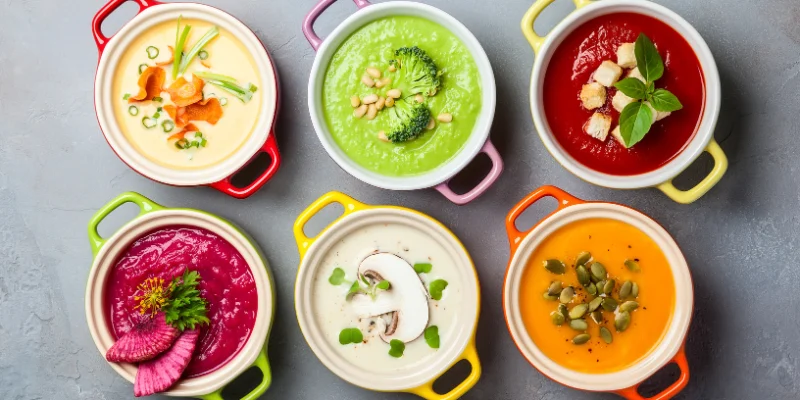
To do this, use a spoon to carefully scrape away any solid particles. Create a paste by combining a few drops of lemon juice with one tablespoon of baking soda. After applying the paste and allowing it to settle for ten minutes, rinse the stain with lukewarm water. It works because the baking soda absorbs and removes the stain, while the acidity of lemon juice breaks down color and fat.
4. Hack for Frying Oil and Grease Stains: Talc or cornstarch powder
What to do: Apply talcum powder, baby powder, or cornstarch to the oily stain. Give it ten to fifteen minutes to soak up the oil. Wash the garment with warm water and detergent after gently brushing off the powder. By absorbing the grease, the powder facilitates its removal during washing. Nigerian pro tip: Use Garri (cassava flakes) as an absorbent substitute if cornstarch is not available.
5. Ink stain cleaning hack: Scrubbing methylated spirit or alcohol
Action: To absorb extra ink, place a paper towel underneath the affected spot. Use a cloth dipped in rubbing alcohol or methylated spirit to dab the stain. To prevent the discoloration from spreading, do not rub. Use cold water and detergent to clean the item. Ink is dissolved with alcohol, which stops it from settling deeper into the cloth.
6. Soda or Cola Spills on Tablecloths
Hack: A mixture of vinegar and dish soap
Action: Combine one-part white vinegar, two parts waters, and a touch of dish soap. Using a clean cloth, apply the solution to the stain and blot until it disappears. After rinsing with cold water, let it air dry. What Makes It Effective: Dish soap eliminates stains, while vinegar neutralizes sugar residues.
General Advice for Nigerians on How to Handle Stains
- Timely action is important. Avoid letting stains set by treating them as soon as they appear.
- Always test cleaning solutions on a concealed area of the cloth to prevent harm.
- Natural Light: Sunlight drying helps lighten and get rid of stubborn stains, especially from oils.
- Purchase local stain-fighters: Items such as white vinegar and Sunlight soap are reasonably priced and multipurpose.
Conclusion
Stains from the holidays are unavoidable, but they don’t have to spoil your festivities. These easy and reasonably priced tips can help you get rid of stains from oils, stews, and other typical spills like an expert. These pointers will preserve your tablecloth and your lovely Ankara fabric stress-free and immaculate.
Was this guide helpful to you? Spread the word so that everyone may have a vacation in Nigeria without getting any stains! See our other articles.