 20. November 2026
HOW TO USE LIGHTING TO MAKE SMALL SPACES LOOK BIGGER.
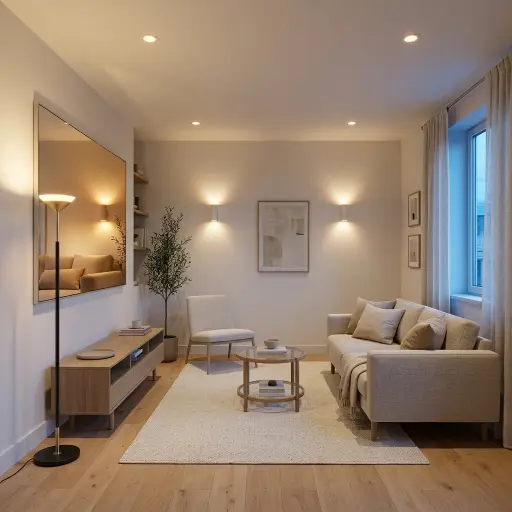
Poor lighting can make a small space feel cramped, dark, and uncomfortable. The right combination of light sources, fixture placement, and bulb brightness can make a compact space appear more open without changing its layout.
Instead of relying on a single ceiling light, combine ambient, task, and accent lighting to brighten dark corners, illuminate walls, and create a greater sense of depth.
Effective lighting strategies for small spaces
A well-lit small room needs more than one source of illumination. Combining different types of lighting helps distribute light evenly and prevents dark areas from making the room feel smaller.
- Layer different types of lighting: Combine ceiling lights, floor lamps, wall sconces, and under-cabinet LED strips. Ambient lighting provides general illumination, task lighting brightens work areas, and accent lighting highlights specific features.
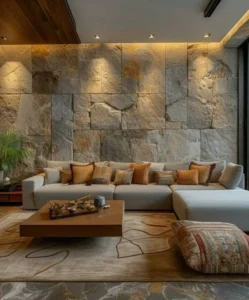
- Direct light towards walls and ceilings: Wall-washing fixtures and upward-facing lamps draw attention to vertical surfaces, making ceilings appear taller and rooms feel more open.
- Use reflective surfaces: Position lamps near mirrors, glass furniture, or metallic finishes to reflect light and distribute it throughout the room.
- Choose compact fixtures: Slim wall sconces, recessed lights, and small floor lamps provide illumination without overwhelming the available space.
Where to position lights to make a room look bigger
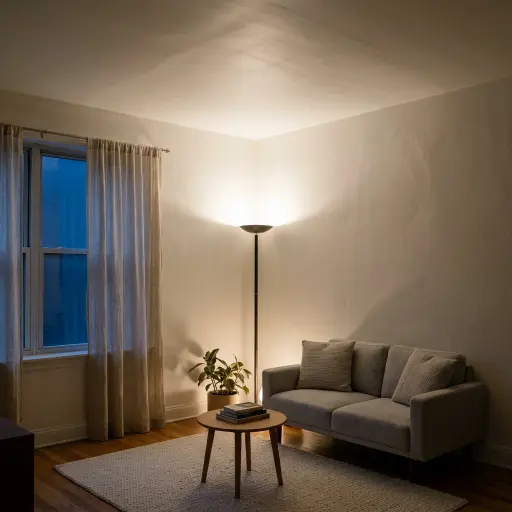
1. Brighten dark corners
Dark corners can make a room feel enclosed. Place floor lamps or upward-facing lights in poorly illuminated areas to brighten the edges of the room and create a more open appearance.
2. Distribute light across the room
A single overhead fixture can leave walls and corners in shadow. Use recessed spotlights or multidirectional track lighting to distribute illumination more evenly.
3. Use wall-mounted task lighting
Install swing-arm wall lamps beside beds, desks, or reading areas instead of using bulky table lamps. This frees up valuable surface space while providing focused illumination.
4. Highlight vertical features
Direct light towards tall bookshelves, artwork, and other vertical features. This draws the eye upward and makes the room appear taller.
Choosing the right light bulbs for small rooms
Bulb colour temperature and brightness influence both the atmosphere and appearance of a compact room. Choosing the right specifications helps create comfortable, balanced illumination.
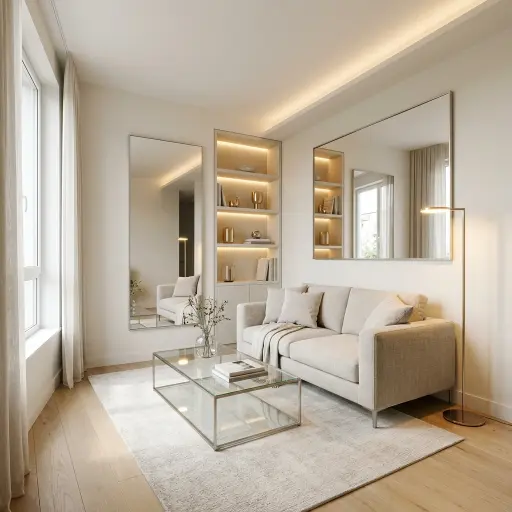
- Choose warm or neutral white bulbs: Colour temperatures between 2700K and 3500K provide comfortable lighting for living rooms, bedrooms, and other small spaces.
- Use dimmable LED bulbs: Dimmable lighting allows you to adjust brightness for different activities, from focused work to relaxing in the evening.
- Check the lumen output: Lumens indicate how much light a bulb produces. Choose an output that suits the room’s size and purpose, and distribute light across multiple fixtures to avoid excessive glare.
Conclusion
Lighting can make a small room appear more spacious without requiring structural changes. Combine different light sources, brighten dark corners, use reflective surfaces, and direct attention towards vertical features.
Choose compact fixtures and suitable LED bulbs to create balanced illumination without overcrowding the space.
What lighting change has made the biggest difference in your home? Share your experience in the comments below.
Sources: