 04. May 2026
A PARENT’S GUIDE TO SAFE CLOTHING FOR CHILDREN.
When choosing clothes for kids, comfort and style are not the only factors to consider. It also has to do with safety because minor design elements like buttons, cords, and decorative pieces can pose avoidable risks when playing, sleeping, or moving around every day. Parents can significantly reduce these risks by knowing what to avoid, what to choose instead, and how to properly inspect children’s clothing before use.
Methods for selecting children’s safe clothing
The following are crucial measures to avoid choking hazards when buying children’s clothing:
1. Choose clothing designed safely
Instead of taking unsafe clothing apart and modifying it to make safer garments, parents would be wise to simply choose safe designs. Safety can best be measured by simplicity; therefore, parents should seek out simple styles of children’s clothing. Garments should contain few decorations and no attachments that could come loose through normal usage and washing. In addition, all fasteners should be securely stitched to remain firm during both playtime and laundering. Additionally, parents should prefer soft, breathable fabric garments. Soft, breathable fabrics cause less irritation to your child’s skin and support the garment’s long-term comfort.
2. Avoid clothing designs that create safety risks
Certain design elements are more likely to cause choking or strangulation hazards in children, and they should be carefully avoided when selecting clothing.
Cords and drawstrings: Drawstrings and cords in clothing can easily get caught on playground equipment, furniture, or other objects during active movement. This can pose a strangulation hazard, especially for young children who may not recognize the danger. Safer clothing options include elastic waistbands or fixed designs without adjustable strings, as these remove the risk of entanglement.
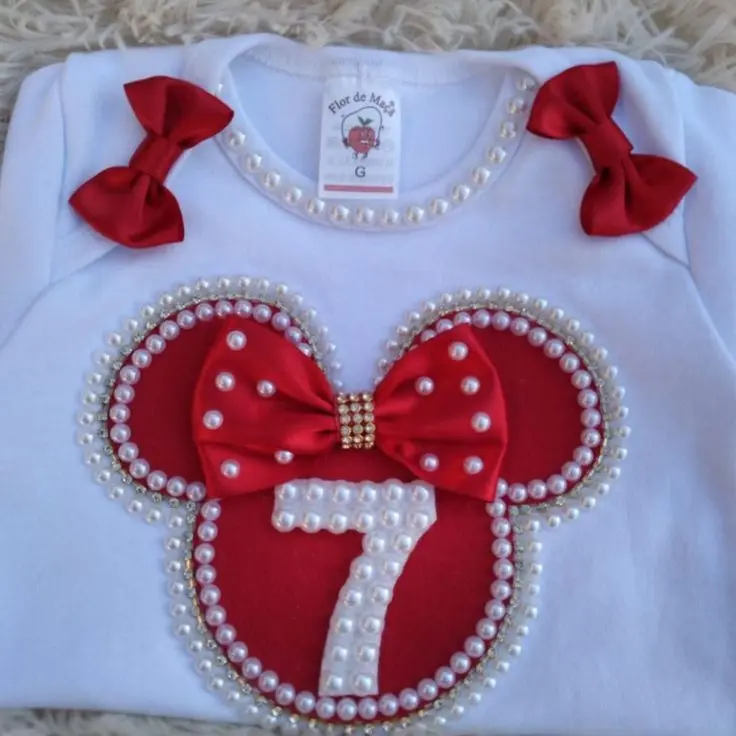
Small, detachable decorations: Small decorative items like buttons, beads, bows, and appliqués might seem harmless, but they can pose a choking hazard if they loosen and fall off clothing. The risk increases with frequent washing and active use. Safer designs use embroidered or printed designs instead of attachable parts as they do not come off the fabric and so avoid the risk of swallowing small pieces.
3. The right clothes reduce everyday risks
The size of the clothing for children is an important safety consideration. It can be tempting to buy larger sizes to allow for growth, but oversized clothes can increase the risk of accidents.
Loose or oversized clothing can make children more likely to trip while walking or running. It can also become caught on objects during play, increasing the chance of injury. Children can move easily and avoid needless hazards when clothing is well-fitted. It is best to buy clothes that fit at the time of purchase for safety and not depend on future growth.
4. Wash new clothing before first use
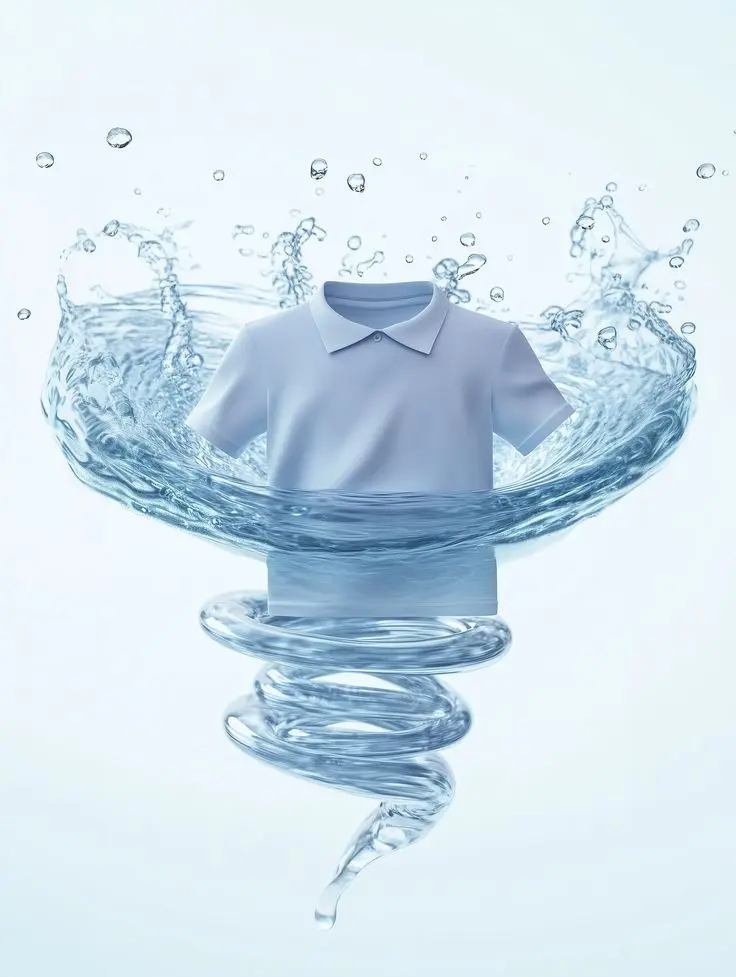
New clothing should always be washed before it is worn for the first time. This is because some garments contain chemical residues from manufacturing processes, including substances used to improve texture, durability, or appearance.
Washing new clothing helps remove these residues and makes the fabric safer and more comfortable for a child’s sensitive skin. It also softens the material, which reduces irritation during wear.
5. Age-appropriate clothing safety guidelines
Older children aged 7 to 14 may begin to wear clothing with drawstrings, but these should always be short, secured, and without loose ends that can be pulled or caught. Children in this age group should also be taught how to check their clothing for safety before engaging in physical activities or play. Even at this stage, clothing safety still depends on both design quality and awareness.
Conclusion
Parents who are intentional about their clothing choices and consistent with basic safety checks can reduce preventable risks without adding additional effort to daily routines. In so doing, they build a safer foundation that supports a child’s comfort, independence, and active lifestyle.
Sources