
 01. April 2025
Cyberbullying Prevention and Response : A Guide for Families
In today’s digital world, the internet has become an essential part of daily life, offering opportunities for learning, communication, and entertainment. However, it has also given rise to the growing issue of cyberbullying, which can significantly affect the emotional and mental well-being of children and teens. Here’s how you can prevent and respond to cyberbullying to keep your family safe online.
What is cyberbullying?
Cyberbullying refers to the use of digital platforms—such as social media, messaging apps, or gaming platforms—to harass, threaten, or intimidate others. It can involve spreading rumors, sharing private or false information, or using hurtful language. The impact of cyberbullying can be far-reaching, causing emotional distress, anxiety, and even depression.
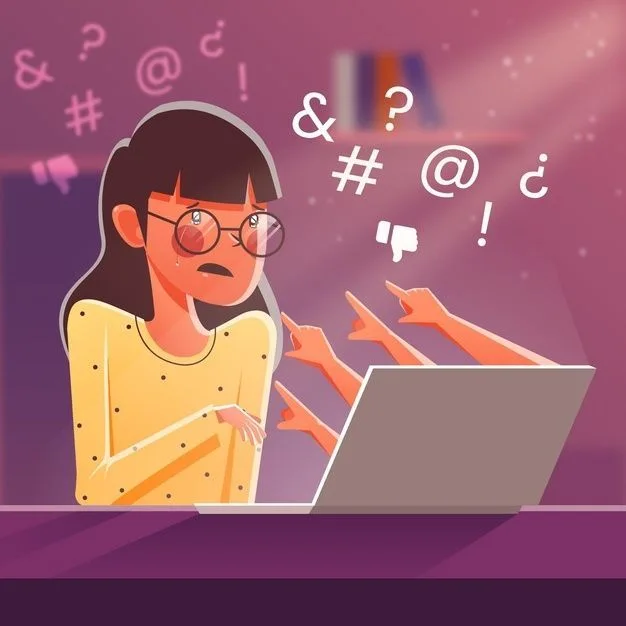
Cyberbullying Prevention for Families.
Cyberbullying is a growing concern, and taking proactive steps to prevent it is essential for families. Here’s what you can do:
Open Communication: Talk to your children about their online activities. Encourage them to share what they experience on social media, gaming platforms, or messaging apps. Let them know it’s okay to speak up if they feel uncomfortable or upset about something online. Listen to what your child has to say without jumping to conclusions or blaming them for any problem they’re facing online. Let them know that you’re there to support them and that together, you’ll find a solution. Remember, your child might not want to share every detail with you.
Set Digital Boundaries: Setting digital boundaries means establishing rules and limits on your child’s online activity. This helps to ensure that they are staying safe while using the internet.
Here are some digital boundaries you can set:
- Screen time limits: Decide how much time your child can spend on their devices each day and stick to that limit.
- Monitoring software: Consider using monitoring software to track your child’s online activity and flag any potential issues.
- Privacy settings: Adjust privacy settings on your child’s devices and social media accounts to limit their exposure to potential bullies.
- Educate on Safe Online Behavior: Teach your children about the importance of privacy and the dangers of oversharing. Make sure they understand not to share personal information (such as their address, phone number, or passwords) and to avoid engaging in negative conversations online.

Model Good Online Behavior: Modeling good online behavior is all about walking the talk. Children often mimic the behavior of adults. By practicing respectful and positive online communication, you can set a strong example for your children to follow. Show them how to handle disagreements online calmly and responsibly. Let your child know that it’s important to be careful about what they share on social media.
Encourage Empathy: Empathy is the ability to understand and share the feelings of others. It’s an essential skill for navigating social interactions online and offline.
Here’s how you can encourage empathy in your child when it comes to cyberbullying:
- Help your children understand how their actions can affect others.
- Teach them to put themselves in the shoes of the victim.
- Help them understand the consequences of their actions.

Responding to Cyberbullying: Steps to Take
If you or your child becomes a victim of cyberbullying, it’s crucial to act swiftly and thoughtfully. Responding to cyberbullying can be challenging, but there are some steps you can take to address the issue. Here’s how you can respond:
Listen and Support: If you’re being cyberbullied, it’s important to reach out to a trusted adult, such as a parent, teacher, or counselor. They can provide support and help you address the bullying. As a parent, if your child comes to you about a cyberbullying incident, listen without judgment. Offer emotional support and reassurance that you’ll work together to resolve the issue.
Document the Bullying: Keep a record of the bullying, including screenshots, messages, and timestamps. This documentation may be helpful if you need to report the issue to the school, social media platform, or even law enforcement.
Block and Report: If you’re being cyberbullied on social media or messaging apps, you can block or mute the person who is bullying you. This will stop them from contacting you directly. Many platforms have options to report abusive behavior, and taking this step can prevent further harassment.
Involve Authorities if Necessary: If the cyberbullying involves threats of violence, sexual harassment, or illegal activity, do not hesitate to involve local authorities. Schools often have anti-bullying policies in place as well, so it’s important to inform your child’s school of the situation.
Promote Self-Care: Cyberbullying can take a toll on a child’s mental health. Encourage your child to take breaks from the online world, spend time with supportive friends and family, and engage in activities they enjoy rebuilding their confidence. Mindfulness can help reduce stress and anxiety. Consider trying meditation or breathing exercises to promote relaxation and mental clarity.

Conclusion
By fostering an open, supportive environment at home, you can help your children navigate the digital world confidently and safely. Prevention is key, and by taking proactive measures, you can reduce the likelihood of cyberbullying impacting your household. Remember that responding effectively to cyberbullying can make all the difference in how your child copes with the situation.
Entaliaz is committed to helping families create safer, more nurturing environments both online and offline. Together, let’s take a stand against cyberbullying and promote positive digital experiences for everyone.
Stay safe. Stay kind. Stay informed.