 14. August 2026
TIPS FOR SOIL HEALTH AND FERTILIZATION.
Healthy soil is the starting point for healthy crops. When the soil has the nutrients plants need, roots grow stronger, plants handle stress better, and crops produce better yields. But soil fertility can change over time. Poor farming practices can drain nutrients from the soil, while good management can restore them.
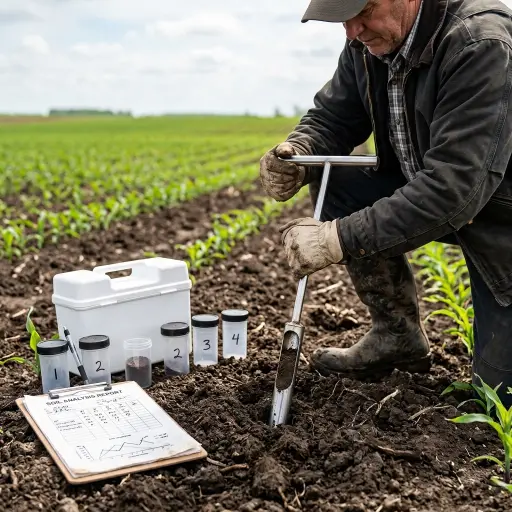
Improving soil health starts with knowing what your soil needs. A simple soil test can show which nutrients are lacking, while the right fertilizer and farming practices can help bring the soil back into balance.
What Makes Soil Fertile in the First Place
Several things work together to determine how fertile a soil is:
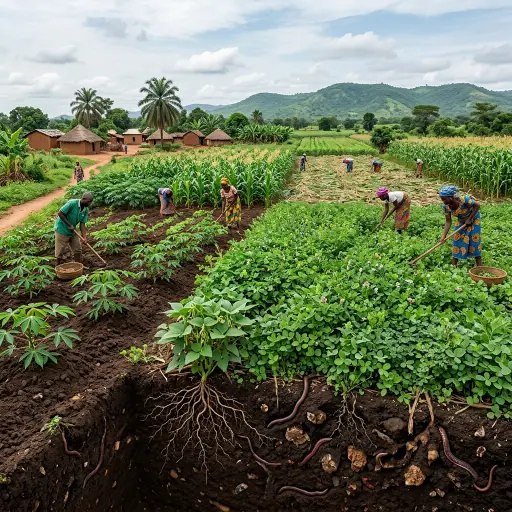
- Organic matter: Such as decayed leaves, roots, and plant material, adds nutrients to the soil and helps it hold water. It also creates a better environment for beneficial organisms.
- Soil texture: This refers to the amount of sand, silt, and clay in the soil. Clay soils can hold plenty of nutrients but may become compacted, while sandy soils drain quickly and may lose nutrients more easily. A balanced soil usually provides better conditions for plant growth.
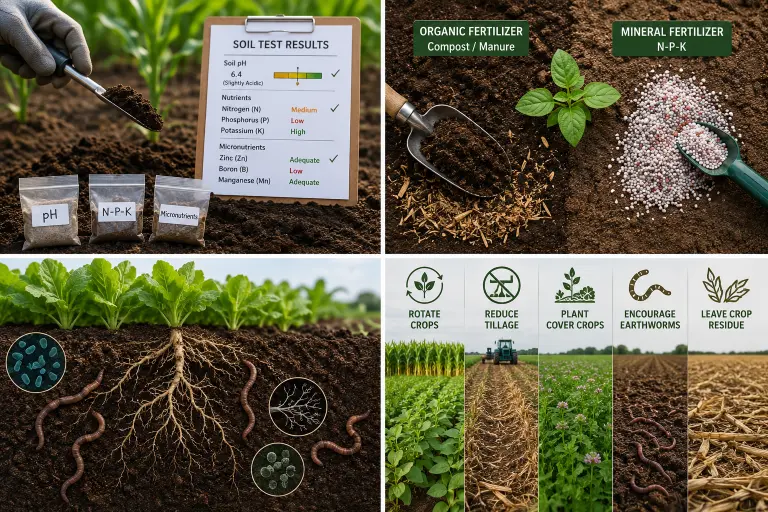
- Soil pH: This affects how easily plants can absorb nutrients. Most crops grow well in soil that is slightly acidic to neutral, generally between pH 6.0 and 7.5. When the pH is too high or too low, some nutrients become harder for plants to use.
- Air and moisture: Plant roots need both water and oxygen. Soil that is too dry cannot provide enough moisture, while waterlogged or heavily compacted soil can leave roots without enough air.
- Soil organisms: Organisms such as bacteria and fungi help break down organic matter and release nutrients that plants can use. Healthy soil contains many of these organisms, especially in the topsoil where most plant roots grow.
Start Every Fertilization Plan with a Soil Test
A basic soil test should check:
- Soil pH: Shows whether the soil needs lime or other treatment.
- Main nutrients: Such as nitrogen, phosphorus, and potassium.
- Other nutrients: Such as calcium, magnesium, sulfur, zinc, boron, and manganese.
For most fields, testing every one to three years is a good starting point.
Balance Organic and Mineral Fertilizers for Long-Term Fertility
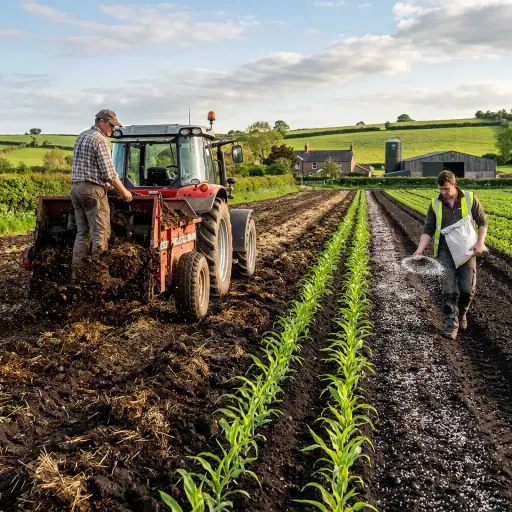
Organic and mineral fertilizers each have a role to play. Mineral fertilizers provide nutrients quickly, while compost, manure, and crop residues release nutrients more slowly and help improve soil structure. Using both can give you the benefits of each. Organic materials help build healthier soil over time, while mineral fertilizer can provide the extra nutrients crops need during important growth stages.
A good approach is to:
- Add organic matter: Use compost, manure, or crop residues to improve soil health.
- Use mineral fertilizer when needed: Apply it based on the results of a soil test rather than guessing.
- Apply at the right time: Organic materials can be added before the growing season, while mineral fertilizer is often most useful when crops are actively growing.
The goal is not simply to add more fertilizer. It is to give crops the nutrients they need while gradually building healthier, more productive soil.
Build Soil Health Through Everyday Field Practices
Fertilizer is only part of maintaining fertile soil. The way a field is managed from season to season also affects its ability to support healthy crops:
- Rotate crops: Growing different crops each season helps prevent the soil from being drained of the same nutrients. Including legumes such as beans or clover can also help add nitrogen to the soil.
- Reduce tillage: Limiting how much the soil is disturbed helps prevent erosion and protects the soil structure and organisms living in it.
- Plant cover crops: Crops such as clover, rye, and mustard protect bare soil from erosion and add organic matter when they break down.
- Encourage earthworms: Earthworms help loosen the soil, improve airflow, and break down plant material into useful organic matter.
- Leave crop residue: Leaving stems, leaves, and other plant remains in the field allows them to break down naturally and return nutrients to the soil.
Conclusion
Building fertile soil takes consistent care rather than a one-time fix. Start with a soil test, use fertilizer based on what the soil actually needs, and practice crop rotation, reduced tillage, and other methods that protect soil health. With these simple practices, you can maintain soil fertility, support healthier crops, and keep the land productive for years to come.
Sources: