 09. February 2026
DIY Guide to Reducing Noise Intrusion Using Household Items
When most people hear “soundproofing,” they imagine tearing into drywall or gluing egg cartons to the ceiling (which, by the way, doesn’t actually work). The truth is that true soundproofing is a feat of high-end engineering. However, noise reduction, the process of blocking external sounds and softening internal echoes, is something you can do using everyday items. This guide focuses on simple DIY methods to create a quieter environment without construction or expensive materials.
Step 1: Seal door gaps to stop sound leakage
Sound enters through gaps, most often under doors or around frames. Start by sealing these for the quickest results:
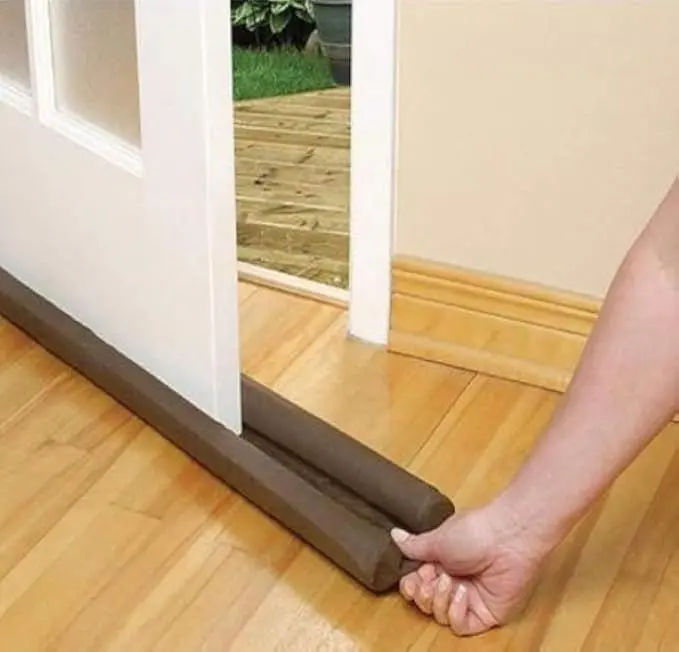
- Use a removable door blocker: Place a folded towel, or blanket, snugly against the bottom of the closed door. Most noise enters from other rooms through the spaces around doors. Apply adhesive weatherstripping along the door jambs or use folded masking tape as a temporary fix. When the door closes, this creates a tight seal that reduces sound leakage.
Step 2: Add mass to walls to block external noise
Thin walls vibrate when sound hits them, transferring noise from the outside into your room. To stop this, you need to add mass. Here are ways to achieve this:
- The Bookshelf buffer: Place your heaviest bookshelf against the wall facing the noise source (like a noisy neighbor or a hallway). A shelf packed tightly with books adds significant density, which absorbs vibrations before they reach your ears. Move wardrobes or solid-wood dressers against shared walls. The more mass you put between yourself and the source of the noise, the less energy passes through.
Step 3: Reduce internal echo with absorptive surfaces
Hard floors and bare walls reflect sound, making the noise inside the room feel sharper and louder. Do the following:
- Layer the flooring: One rug is often not enough. Layer two rugs together, or place a thick quilt or blanket under a single rug to increase absorption.
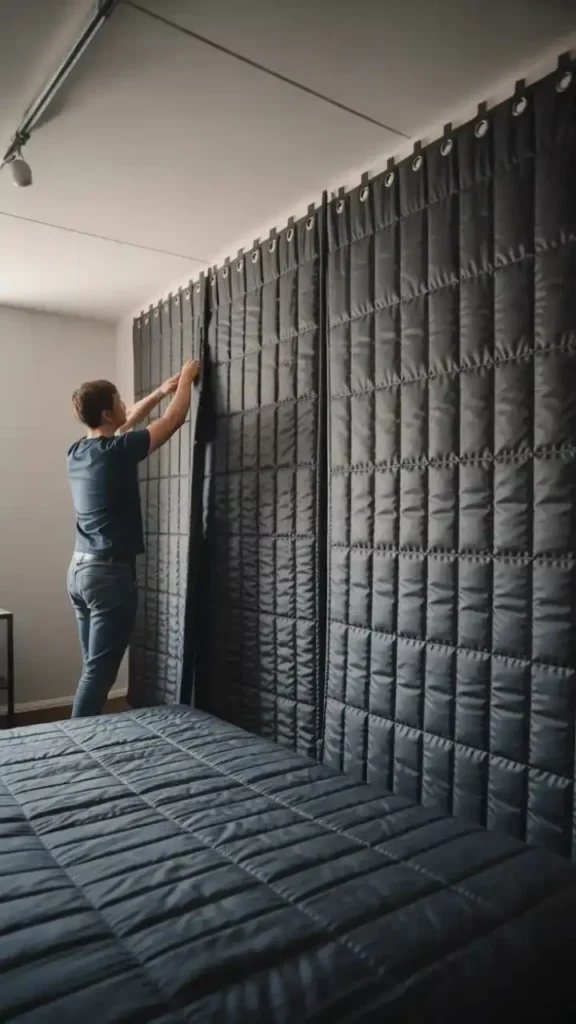
- Add sound-absorbing layers to walls: Hang quilts, or thick decorative tapestries on large, bare wall areas.
Step 4: Block outside noise from windows
Adding layers can help, here’s how:
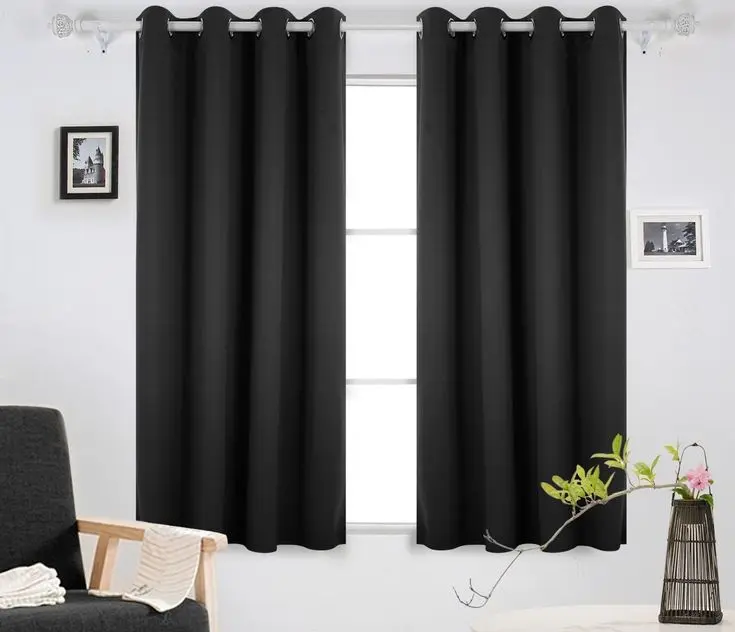
- Double up curtains: Hang a second curtain rod and add a second layer of heavy fabric, such as blackout curtains, blankets, or comforters, to reduce street noise.
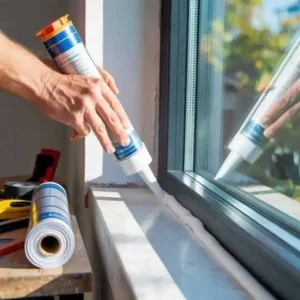
- Seal small cracks: Use removable caulk or clear tape to seal tiny gaps around the window frame. Air leaks let sound in, so blocking them reduces noise significantly.
Conclusion
Start with the items you already have: a spare rug, a heavy blanket, or a few old towels. Applying these simple fixes reduces sound reflections and blocks paths for outside noise, making your living space significantly quieter.