 27. November 2024
Tips for Growing Vegetables at Home
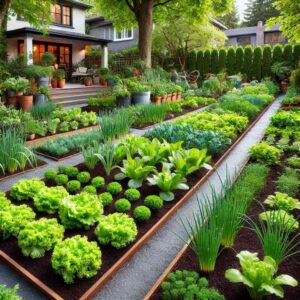
Who says gardening is just for the outdoors? Even if you don’t have a backyard, you can turn a corner of your house into a flourishing vegetable garden with a little work and imagination. Growing vegetables indoors not only brings nature closer to you, but it also guarantees a consistent supply of fresh, wholesome produce all year round.
Did you know that indoor gardening has become incredibly popular in recent years, with millions of people adopting it as a stress-relieving, environmentally friendly hobby? Now is the ideal time to join this green revolution! Here’s how to start this fulfilling journey.
1. Choose the Right Vegetables
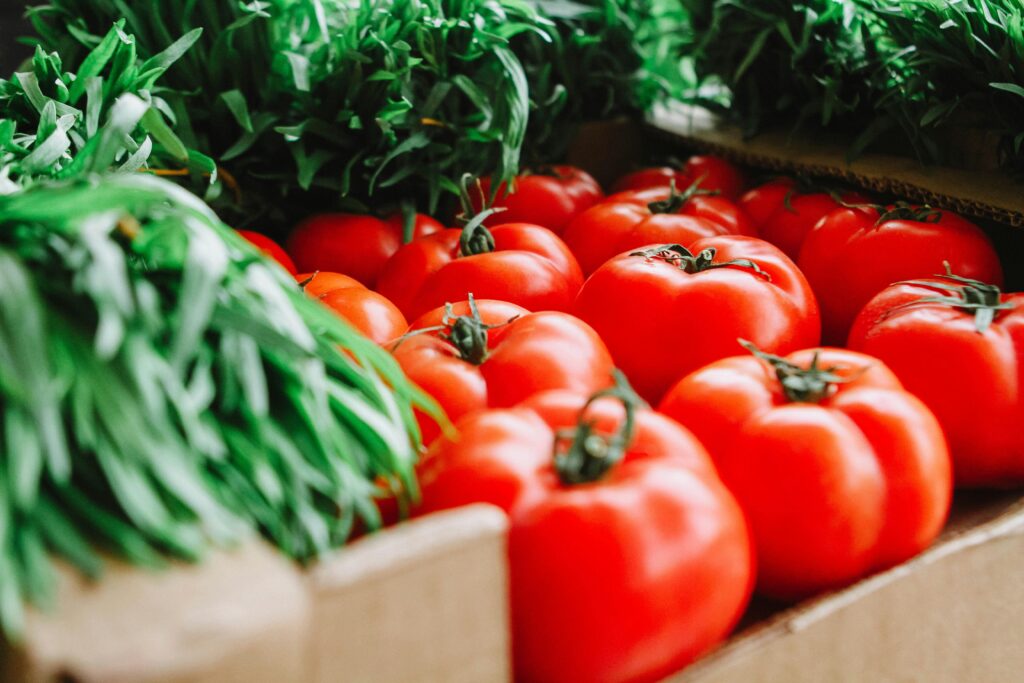
While not all vegetables can be grown inside, many perform well in smaller areas. Here are some excellent choices:
- Herbs: mint, cilantro, parsley, and basil.
- Greens with leaves: Kale, spinach, and lettuce are easy to care for and grow rapidly.
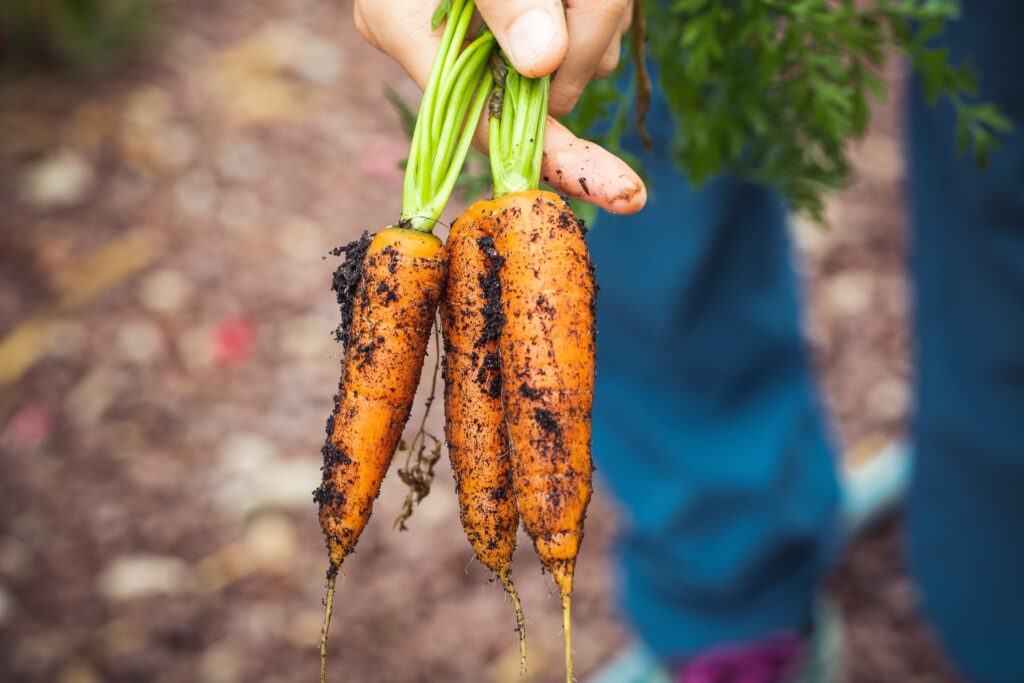
- Compact Vegetables: Spring onions, radishes, and baby carrots.
- Dwarf Varieties: Seek out dwarf peppers or cherry tomatoes that have been specially cultivated for cramped areas.
2. Position the garden to receive light
For growth, vegetables require plenty of light. To make sure they get it, follow these steps: Your garden should be placed on a windowsill facing south. Invest in full spectrum grow lights to simulate sunshine if there is a shortage of natural light. These are particularly useful in dwellings with shade or the cold. To guarantee that every side of the plant receives light, rotate your pots every few days.
3. Pick the Perfect Containers
The correct pot can have a profound impact. Here are some pointers: To avoid overwatering, use containers with drainage holes. For a distinctive touch, repurpose everyday objects like teacups, mason jars, or old crates. Make sure the container size is appropriate for the plant—small pots for herbs and deep pots for carrots.
4. Use High-Quality Soil
Lightweight, nutrient-rich soil is essential for indoor gardening. Use a potting mix made especially for indoor plants since it holds moisture without compacting. For consistent nourishment, use organic compost or apply slow-release fertilizers. Steer clear of outside dirt, as it might attract bugs to your house.
5. Water Wisely
Overwatering is among the most frequent errors. Here’s a way to prevent it: When you feel that the top inch of soil is dry, water it. Avoid water accumulating at the bottom of pots by using ones with drainage holes. If your interior space is dry, utilize humidity trays or softly spritz your plants.
6. Embrace Vertical Gardening
Too little room? Not a problem! Use these tips to get vertical: Use wall-mounted planters for herbs and tiny plants or install floating shelves. For a stunning green show, consider hanging baskets. A ladder shelf can be used to arrange several plants in a compact space.
7. Stay Patient and Observant
Gardening is a process rather than a competition. Remember these:
Keep an eye out for symptoms of stress: stunted growth or yellowing leaves might be a sign of nutrient shortages, too much water, or too little light. Make the necessary adjustments—sometimes minor changes have a significant impact. Honor little achievements, such as the first crop or sprout!
“It felt like magic the first time I picked fresh lettuce from my kitchen,” one indoor grower said. I never imagined the sense of success that came from growing my food.