 26. August 2025
HOW TO USE LEMON AS NATURAL PEST CONTROL
Tired of using harsh chemicals to deal with pests in your home? This guide explores lemon as a safe, natural, and non-toxic alternative. We’ll dive into the science behind its effectiveness, provide practical recipes for common pests, and offer essential tips to ensure you use it safely and effectively.
Many traditional pesticides pose risks to our health and the environment. Lemon offers a refreshing solution, leveraging its strong scent and acidic properties to deter, repel, and even eliminate a variety of household pests naturally.
How Lemon Works as a Natural Pesticide
The secret to lemon’s pest-fighting power lies in two key compounds: citric acid and limonene.
- Limonene: Abundant in both the juice and peel, this compound has a strong scent that most insects find repulsive. This smell disrupts their olfactory senses, making them avoid treated areas. Beyond just a deterrent, limonene can also disrupt an insect’s nervous system, impacting their movement and foraging behavior.
- Citric Acid: The acidic nature of citric acid acts as a natural repellent.
Together, these components make lemon effective as both a deterrent and a contact insecticide. Studies have shown that limonene can repel pests like ants, aphids, and fruit flies, and can even be used to combat mealybugs and dog fleas. Unlike synthetic pesticides, lemon-based solutions are generally considered non-toxic to humans and non-target organisms, making them a safer, more organic option for your home.

DIY Lemon Recipes for Common Pests
Ready to get started? Here are some simple, effective ways to use lemon to tackle specific pest problems.
- For Ants: Ants follow a scent trail to find food. Lemon juice effectively erases this trail.
Application: Squeeze fresh lemon juice around entry points like windowsills and doorways. You can also mix lemon juice with water in a spray bottle and spray it directly onto ant trails.
- For Fleas: This method is for treating pet bedding, carpets, and furniture, not for direct use on your pet.
Recipe: Thinly slice one or two lemons. Place the lemon slices in a pot of water and bring it to a boil. Turn off the heat and let the mixture steep overnight. The next morning, strain the liquid into a spray bottle.
Application: Spray the solution on pet bedding, carpets, and upholstered furniture.
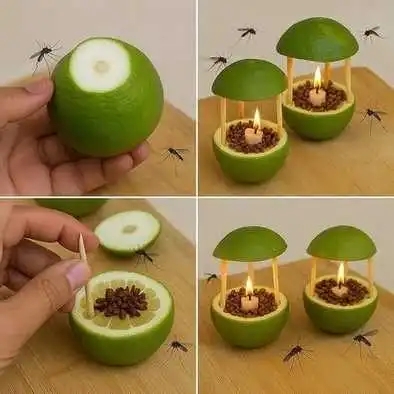
- For Spiders and Other Creepy-Crawlies: Spiders, ants, flies, mosquitoes, and fleas are repelled by the strong scent of citrus.
Application: Rub fresh citrus peels on windowsills, baseboards, and around doors. Alternatively, mix lemon juice or a few drops of lemon essential oil with water in a spray bottle. Spray this solution on entry points to keep pests out.
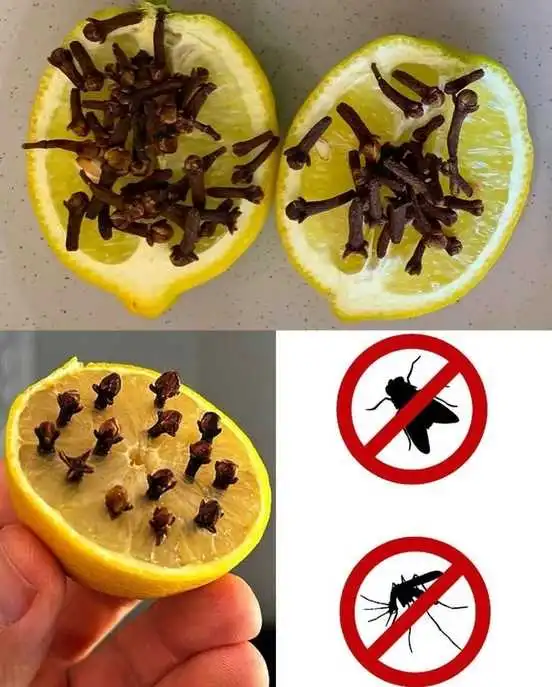
- For Fruit Flies and Gnats: This simple and aromatic trick will help you get rid of these annoying little pests.
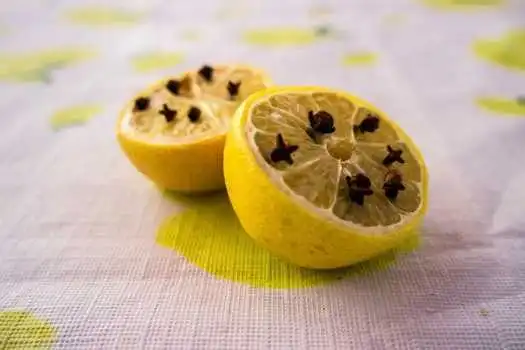
Recipe: Cut one lemon in half. Stick 10-12 whole cloves into the cut side of each lemon half.
Application: Place the lemon halves wherever you’ve seen fruit flies—by the sink, near a fruit bowl, or close to the trash can.
Important Safety and Application Tips
Even with natural remedies, it’s important to be smart and safe.
- Test Surfaces First: The citric acid in lemon can act as a natural bleach or cause damage to certain surfaces. Always test your lemon spray on a small, inconspicuous area of fabric or a plant leaf before applying it to the entire surface to prevent discoloration or damage. After applying a lemon spray, you should rinse the area with water or wipe it with a damp cloth, followed by drying with a microfiber cloth, depending on the surface.
- Reapply Regularly: Unlike many chemical pesticides, natural lemon solutions don’t have a long-lasting residual effect. You’ll need to reapply them more frequently to maintain their effectiveness.
- Be mindful of Plants: While a diluted lemon spray can be helpful, the high acidity can still harm certain plant leaves. Always dilute the spray and monitor your plants for any adverse reactions.
- Avoid Direct Sunlight: The natural compounds in citrus can become more reactive and damaging when exposed to strong UV light. Avoid applying lemon spray to outdoor surfaces or furniture that will be exposed to direct sunlight, as this can cause fading or damage over time.

When Lemon Isn’t Enough: Limitations
Lemon is a great deterrent for small, manageable pest problems, but it’s not a silver bullet. It is generally ineffective against large-scale infestations and specific types of pests.
Lemon is NOT Effective for:
- Rodents: The smell of lemon will not eliminate an existing rodent problem.
- Termites: Termites pose a serious threat to wooden structures, and lemon is not a viable solution for these destructive pests.
- Large Cockroach Infestations: While lemon might deter a few ants, it cannot handle a widespread cockroach infestation.
Conclusion
By incorporating lemon into your home care routine, you’re choosing a safe and sustainable alternative to harsh chemicals. We’d love to hear about your experience! Share your tips and success stories with us in the comment section below.