 01. May 2026
HOW TO HANDLE POOL LEAKS AND REPAIRS.
Maintaining a swimming pool requires more than routine cleaning and chemical balancing. One of the most critical issues pool owners may face is leakage, which can lead to structural damage, increased water costs, and inefficient system performance if left unresolved. This guide outlines how to recognize the signs of a leak, confirm its presence, locate the source, and apply appropriate repair methods.
Common signs of a pool leak
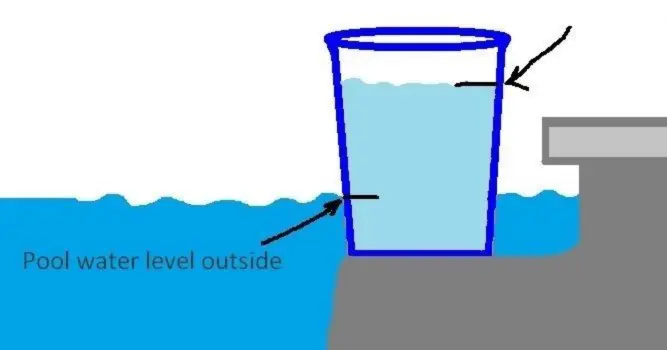
To confirm whether the pool water loss is just normal evaporation or an active leak, use the bucket test:
- Fill a 15 to 20-litre bucket with water up to about an inch from the top.
- Place the bucket on the second step of your pool, making sure it is partially submerged so the water inside stays the same temperature as the pool.
- Mark the water level inside the bucket and the pool water level outside the bucket with tape or a marker.
- Turn off any auto-fill systems, and make sure no one uses the pool during this test.
- After 24 to 48 hours, compare the two levels. If the pool water dropped significantly more than the water inside the bucket, then it’s leaking.
How to fix the pool leak
Step 1: Locate the pool leak
Once a leak is confirmed, you must narrow down whether it is in the structure or the plumbing:
- The “pump on/off” test: Run the bucket test for 24 hours with the filter pump running, then again with the pump off. If you lose more water when the pump is working, the leak is in the pressurised plumbing. If the rate of water loss stays the same, the leak is likely in the shell, liner, or a fitting.
- Observe where the water stops: Let the water settle and see where it stops dropping. If it stops at the bottom of the skimmer mouth, it is likely a skimmer leak. If it drops to the return jets, the leak is at that level.
- Use the dye test to pinpoint small holes or cracks: turn off your pump and let the water become completely still. Use a syringe to squirt a small amount of pool dye or dark food colouring right next to a suspected crack or fitting. If there is a leak, the flow will actively draw the dye right into the crack.
Step 2: Repairing minor leaks without draining
Many smaller, hard-to-find leaks do not require you to drain your pool:
- For vinyl liners: You can use an underwater pool liner patch kit to fix small tears or holes while they are still submerged.
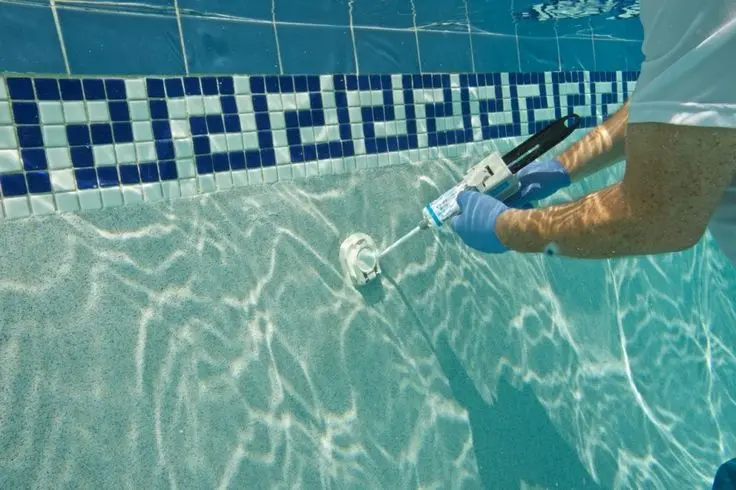
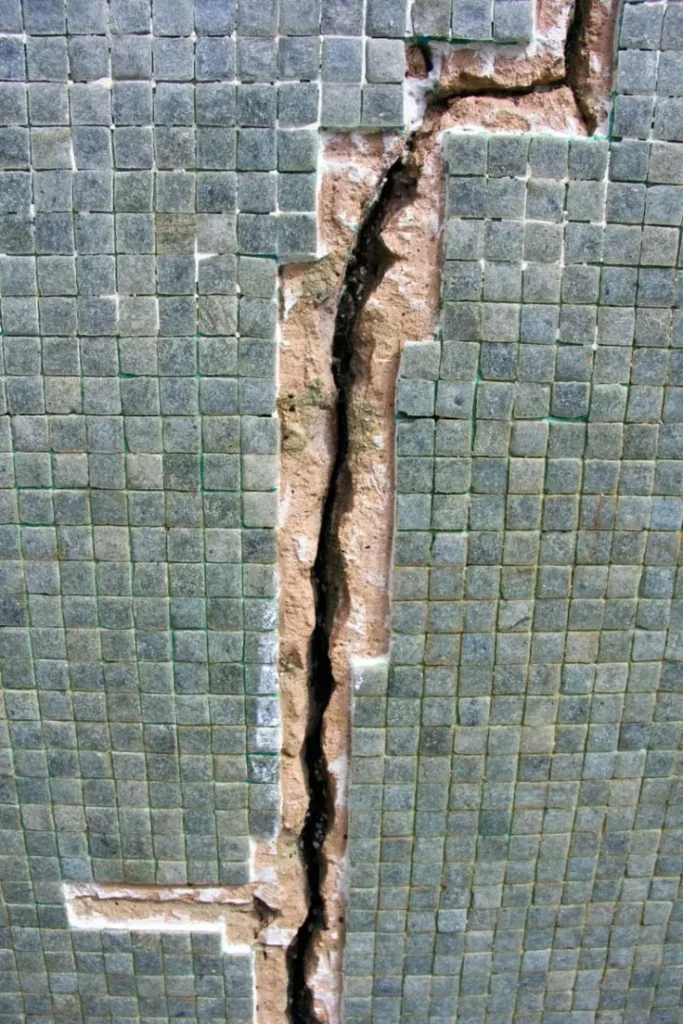
- For minor cracks: Waterproof epoxy or specialized pool putty can be applied directly to cracks underwater, serving as a great immediate repair for concrete or gunite pools.
- For hard-to-find seepage: Adding a liquid leak sealant to the pool water circulates through the system and seals very minor, hard-to-find leaks as it passes through them.
When to call the professionals
While maintaining a pool regularly is something you can do, some repairs should be handled strictly by experts:
- Plumbing pressurization: If you suspect an underground pipe leak, professionals will isolate lines and use controlled air/water pressure testing to verify drops without rupturing your lines.
- Acoustic sonar detection: Professionals use underwater microphones (sonar) to listen to escaping water and accurately map out where to dig.
- Complex repairs: Severe structural cracks, failing main drains, and electrical conduit leaks behind pool lights are heavily challenging and can cause massive damage if handled improperly.
Conclusion
Pool leaks, even when minor, can lead to significant problems if not addressed promptly. From water loss and chemical imbalance to potential structural damage, early detection and timely repair are essential. When necessary, professional assistance ensures that more complex issues are handled safely and effectively.
Sources: