
 23. March 2026
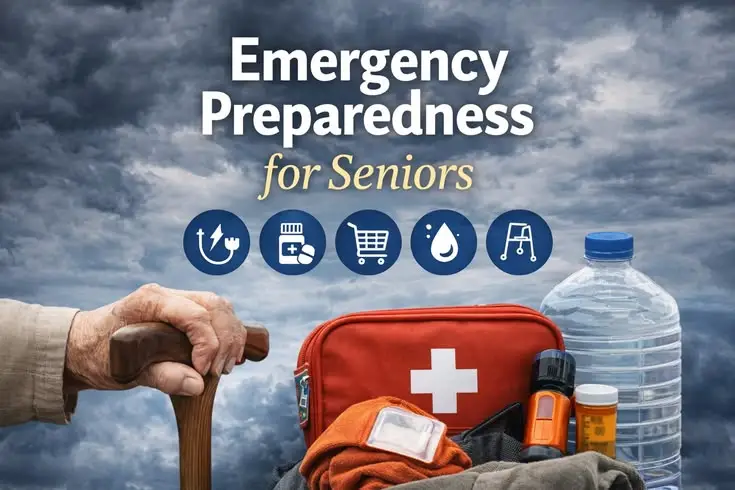
HOW TO KEEP SENIORS SAFE DURING EMERGENCIES AND DISASTERS.
Emergencies and disasters can occur without warning, and older adults are often at higher risk due to mobility challenges, chronic health conditions, and social isolation. Keeping seniors safe is not something to address only during a crisis, it requires ongoing preparation by caregivers, family members, and the seniors themselves. By planning ahead, gathering essential supplies, and maintaining strong support networks, practical, real-world measures can be implemented before, during, and after an emergency to reduce risks and ensure safety.
Caregiver preparation to keep seniors safe
Caregivers play a vital role in helping seniors prepare for emergencies, and this planning should be ongoing, updated regularly, and adapted as needs change. Key actions include:
- Identify likely disasters: Understand the most likely emergencies in your area, or in other countries or regions you may travel to or live in, such as floods, fires, hurricanes, or winter storms.
- Plan evacuation routes and shelters: Map out safe routes and nearby shelter locations.
- Maintain emergency contacts: Keep an updated list of contacts, backup communication options, and pre-determined meeting points.
- Build a support network: Stay connected with family, neighbors, and other caregivers who can provide regular check-ins and assistance.
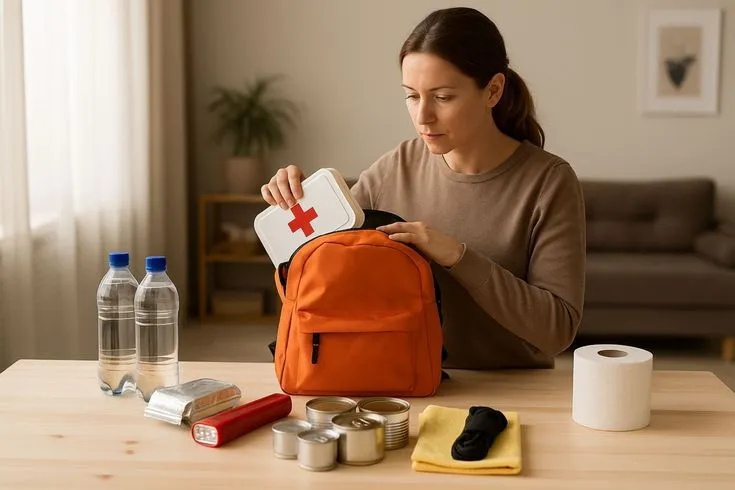
- Prepare assistance for medical needs: Prepare for medical and special care needs by arranging support for medications and devices, and assembling an emergency kit with 7–14 days’ supply of medications, water, non-perishable food, first-aid supplies, a flashlight, and essential documents. Ensure all equipment is charged, with backup batteries and spare parts available.
- Keep essential information on hand: Maintain a written list of medications, dosages, and healthcare provider contacts.

Recovery and support after a disaster
After the immediate danger passes, recovery can be physically and emotionally challenging. Seniors may experience stress, anxiety, or difficulty accessing medical care. Caregivers can support them by:
- Seeking medical and emotional support: Schedule follow-up visits with healthcare providers, attend support groups, or speak with a counselor to manage stress and health concerns.
- Protecting against fraud: Be alert to scams targeting seniors after disasters. Verify contractors, get multiple estimates, and consult trusted family or friends before making payments or decisions.
- Rebuilding daily routines: Help seniors return to familiar habits, reconnect with neighbors or family, and resume hobbies or exercise to restore stability and emotional well-being.
Conclusion
Keeping seniors safe during emergencies isn’t just about reacting, it’s about preparing ahead of time. By taking proactive steps, caregivers and seniors can reduce risks, maintain health and safety, and ensure a quicker, smoother recovery. Thoughtful preparation today can make all the difference when it matters most.