 08. May 2026
WORKPLACE HARASSMENT: HOW TO RECOGNIZE IT AND PROTECT YOURSELF.
Workplace harassment usually does not start with bullying or abuse. Instead, it typically starts with behavior that can be considered a joke, excessive criticism, intimidation, isolation, or unwanted comments that cause the employee to feel uncomfortable or threatened at their place of employment.
Harassment is something many employees experience without immediately recognizing it. Many common behaviors are acceptable in some workplaces, so it is important for employees to recognize the signs of harassment.
Common signs of workplace harassment
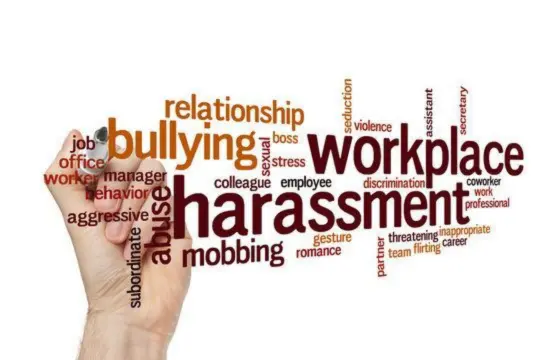
Workplace harassment can take many forms, including constant insults and mockery, intimidation, bullying, sexual harassment, exclusion from group activities, excessive criticism, discrimination, verbal abuse, rumor-mongering, retaliation, or any behavior that makes employees feel insecure and threatened at work.
Practical ways to protect yourself from workplace harassment
1. Take note of recurring patterns
Not every workplace conflict constitutes harassment, but recurring instances of inappropriate conduct should not be overlooked. If a coworker repeatedly makes you feel humiliated, singled out, violated, or uncomfortable, then you need to recognize that there is a problem. The pattern will usually indicate that there has been a crossing of the line.
2. Establishing clear limits
When someone starts misbehaving, make it clear to them in a professional manner that their actions are inappropriate and need to stop immediately. At times, bringing up the matter may prevent further complications from developing. Establishing your limits also sends the message that you know your rights.
3. Keep detailed records
Be meticulous about documenting each instance. Take note of the dates, times, locations, and all conversations and communications related to the event. Record keeping may prove invaluable should you need to file a complaint in the future.
4. Get help from trusted people
Harassment may cause emotional distress. It is important to seek support from people one trusts, such as colleagues, mentors, friends, or counselors.
5. Learn about your rights
It is important to learn about your organization’s workplace policies when it comes to harassment and other types of unacceptable behavior. These policies will guide you regarding what your rights are, how you can protect yourself, and how to file complaints. If there is workplace harassment going on, it could even break certain labor laws. It is important to know your rights so that you can take the appropriate steps in case the workplace policies cannot solve the problem.
6. Utilize formal reporting mechanisms
Generally, most organizations have workplace policies and procedures for reporting any form of harassment. This means employees should report the issue to a supervisor, manager, or Human Resources department. Following the correct procedure will help formalize the process and handle the problem accordingly.
7. Look out for retaliatory actions
In some instances, when an employee reports sexual harassment, he or she may experience retaliation, which can include any form of unfavorable treatment, being ostracized, intimidated, or even having job responsibilities altered.
8. Prioritize your well-being
It is important to protect your mental and emotional well-being. Should anything seem too much for you, do not hesitate to consult with someone about making some changes in your work environment or elsewhere.

Conclusion
Self-protection against workplace harassment involves knowledge, self-confidence, and action. With an understanding of harassment warning signals, you can take control and safeguard your welfare. It is the responsibility of institutions to provide a safe work environment, but people should have sufficient information and skills to react properly.
Sources