 26. March 2026
3 WAYS FOR MAINTAINING HOME’S EXTERIOR.
A home’s exterior is its first line of defense against weather, pests, and structural stress. Regular maintenance enhances appearance, prevents damage, which extends the life of a property. Neglect can lead to issues such as water intrusion, mold, or deterioration, which may be costly to repair. Following a consistent maintenance schedule allows small problems to be addressed before they escalate.
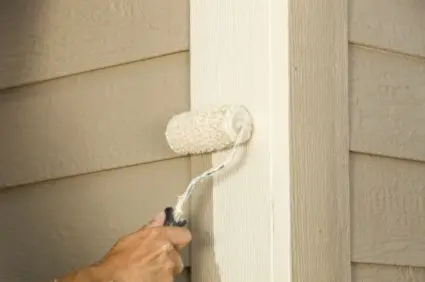
Practices for maintaining home’s exterior
The following are ways to maintain home’s exterior:
1. Conduct regular exterior inspections
Routine inspections are essential for identifying potential home maintenance problems. Homeowners are encouraged to perform these checks at least twice a year, though more frequent inspections may be necessary in regions with extreme climates or volatile local weather.
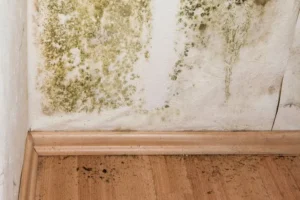
During a typical walkthrough, the roof should be examined for leaks, wear, or missing shingles and tiles, while the walls and siding require a close look for cracks, warping, peeling paint, or mold. Additionally, it is important to examine the seals and caulking around doors and windows for gaps, and to check the foundation for signs of uneven settling, water pooling, or structural cracking.
Throughout the process, safety remains the priority; always use appropriate equipment, avoid working at unsafe heights, and do not hesitate to seek professional assistance when a task exceeds your comfort level or expertise.
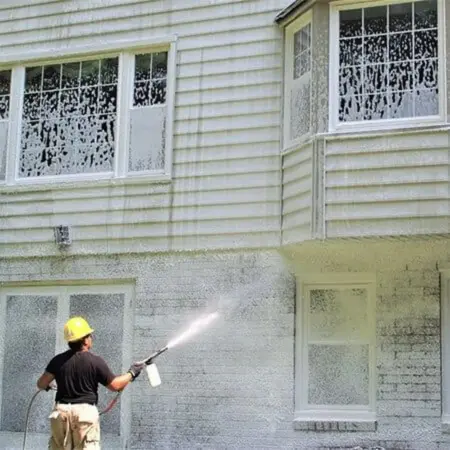
2. Clean and maintain water drainage systems
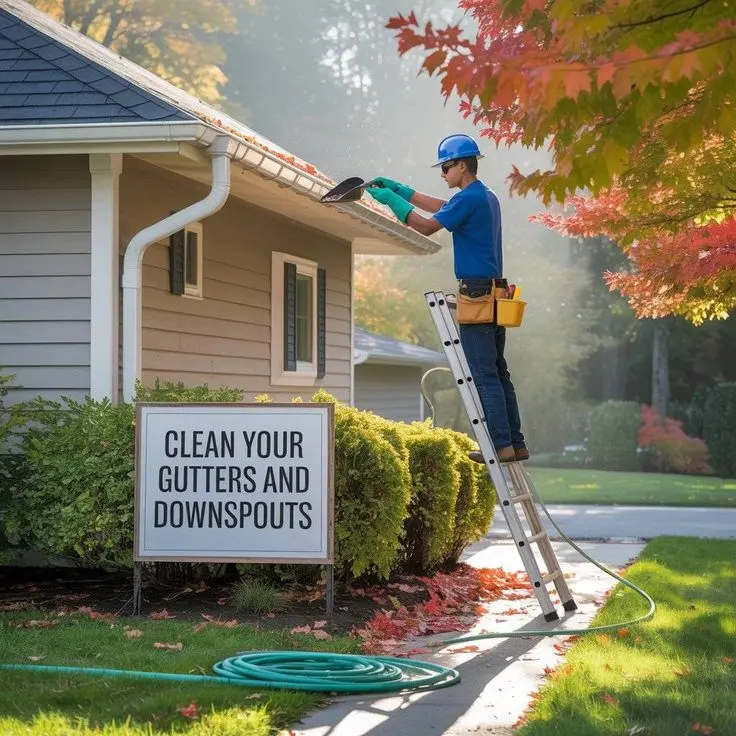
Maintaining functional gutters, drains, and other water channels is a critical step in preventing long-term water damage to a property. To ensure proper flow, homeowners should regularly remove blockages such as leaves or debris and inspect the system for leaks, sagging sections, or points where water frequently overflows.
It is vital that these channels effectively direct water away from the home’s walls and foundations to prevent erosion or basement seepage. In regions where local infrastructure or architecture does not include traditional gutters, consider installing alternatives like French drains or rainwater diversion systems that are specifically suited for the local geography and soil type.
3. Trim trees and manage landscaping carefully
Vegetation management is a critical aspect of property maintenance, as overgrown plants can easily damage structures and block essential drainage systems. To protect the home, branches should be kept safely trimmed away from roofs, walls, and gutters to prevent physical wear and moisture buildup.
When landscaping near foundations, homeowners should consider the specific root systems and growth habits of local plants to avoid structural interference or soil displacement.
Conclusion
One of the most frequent mistakes is ignoring small repairs, assuming they are insignificant. Avoiding these pitfalls helps maintain your home more effectively.