 01. April 2026
HOW TO PREVENT ALGAE GROWTH IN POOL.
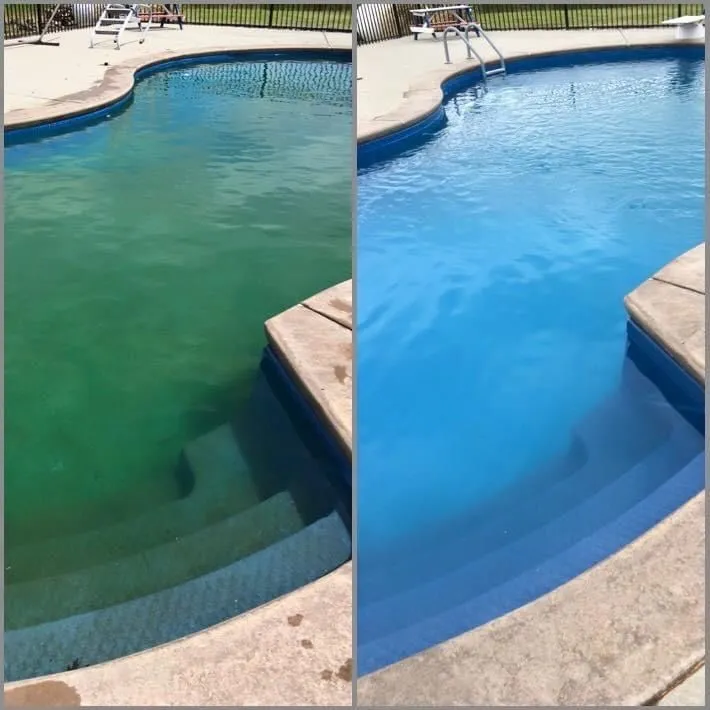
Cloudy or green pool water is a common issue, but it’s often preventable. Algae, microscopic organisms that thrive in poorly balanced or poorly maintained water, can quickly make a pool unattractive and unsafe. This guide explains why algae forms and outlines simple, effective strategies to keep your pool clean and clear.
Disclaimer: This guide is for educational and informational purposes only and does not replace professional pool maintenance or repair services.
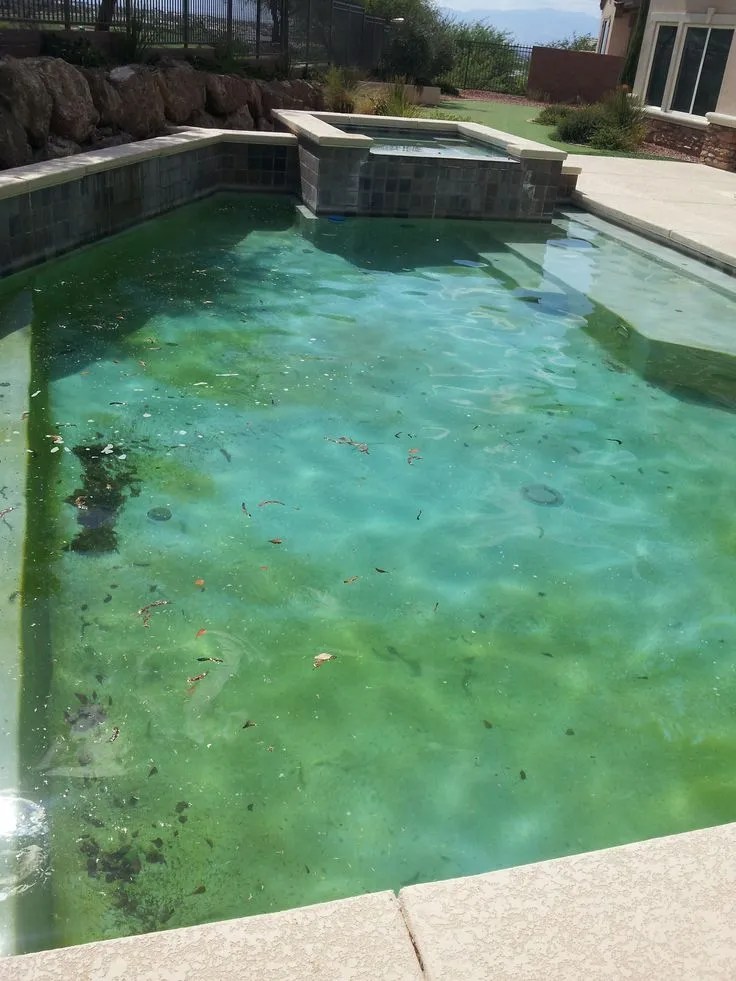
What causes algae growth in pools?
1. Poor water chemistry
Imbalanced water, especially improper pH or low sanitizer levels creates the perfect breeding ground for algae.
2. Low chlorine levels
Chlorine kills algae spores. When levels drop too low, algae can grow rapidly, sometimes within hours.
3. Poor circulation and filtration
Still water allows algae to settle and multiply. Areas with weak circulation (corners, steps) are especially vulnerable.
4. Dirt, and organic matter
Leaves, insects, and dust introduce nutrients that feed algae growth.
5. Weather conditions
Environmental factors such as heat, rain, and humidity accelerate algae growth by speeding reproduction, diluting chemical balances, and introducing external debris into the pool.
Types of pool algae
Understanding the specific types of algae is essential for determining the necessary level of prevention and treatment:
- Green algae: The most common variety, which often turns water cloudy or bright green but remains relatively easy to treat if addressed early.
- Yellow (mustard) algae: A more chlorine-resistant strain that typically clings to pool walls and thrives in shaded areas.
- Black algae: The most stubborn variety, which roots deeply into pool surfaces and requires aggressive, specialized treatment to fully eradicate.
Ways to prevent algae growth in pool
Following these strategies will help keep your pool water clear and safe:
- Maintain proper water chemistry: Balanced water is your first line of defense. Maintain chlorine at 1–3 ppm, pH between 7.2–7.6, and total alkalinity at 80–120 ppm. Test your water at least 2–3 times per week and adjust chemicals immediately when levels drift.
- Maintain the filtration system: Your filter removes contaminants before they multiply. Run your pump 8–12 hours daily, longer during extreme heat and clean or backwash filters regularly (sand filters every 1–2 weeks, cartridges every 2–4 weeks).
- Clean pool regularly: Physical cleaning disrupts algae before it becomes visible. Establish a weekly routine to brush walls and floors, vacuum the bottom, and skim debris from the surface to prevent organic matter from fueling algae growth.
- Use preventive pool chemicals: Rather than just fixing problems, use chemicals to prevent them. Incorporate a weekly algaecide and perform a weekly shock treatment, especially after heavy use, rainstorms, or extreme heat, to oxidize contaminants.
- Improve water circulation: Algae thrives in stagnant water. Adjust return jets to create circular movement and pay close attention to “dead zones” like steps and corners to ensure chemicals are evenly distributed throughout the entire pool.
Conclusion
The key to successful pool algae prevention is consistency. If you build a simple weekly routine and stick to it, you’ll not only keep your pool algae free, you’ll enjoy clear, safe water all season long. Ready to take control of your pool? Start with the checklist above and stay one step ahead of algae.
Sources