 30. April 2026
HOW TO MAINTAIN PLUMBING SYSTEM AT HOME.
A well-maintained plumbing system is essential to the overall function and infrastructural safety of any home. While most components operate out of sight, their condition directly affects water quality, efficiency, and the risk of damage to the home. Minor issues such as slow drains or small leaks often develop gradually; if ignored, they can lead to more serious and costly problems, including burst pipes, water damage, mold growth, or even structural deterioration.
Practical tips for maintaining a home’s plumbing system.
1. Avoid pouring grease down the drain, as it can solidify and cause pipe blockages. Instead, allow the grease to cool and solidify before disposing of it in the household trash.
2. Use drain covers in sinks to catch hair and debris before they enter and clog your plumbing system.
3. Flush only toilet paper and human waste to prevent blockages caused by materials that do not break down easily.
4. Pour hot water down your drains regularly, and occasionally use vinegar and baking soda, to help dissolve and remove early buildup.
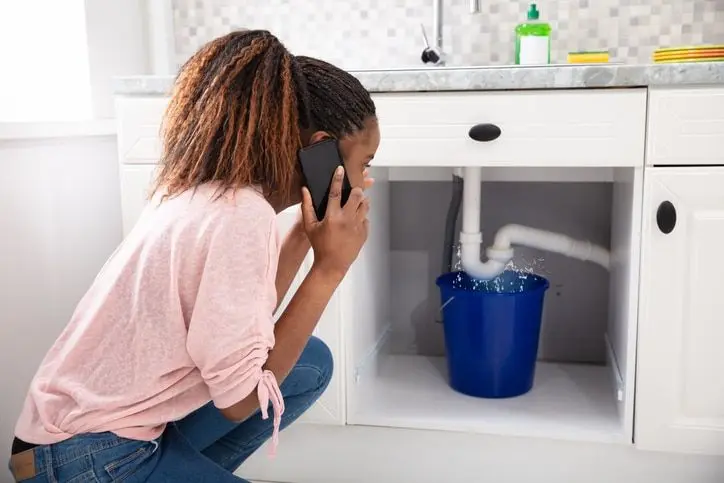
5. Inspect regularly for leaks and address them immediately. Indicators include stains, damp areas, or unusual odors that should be addressed before they worsen. Immediate actions may include shutting off the water supply, containing any leakage, drying affected areas, and arranging for proper repairs before the issue worsens.
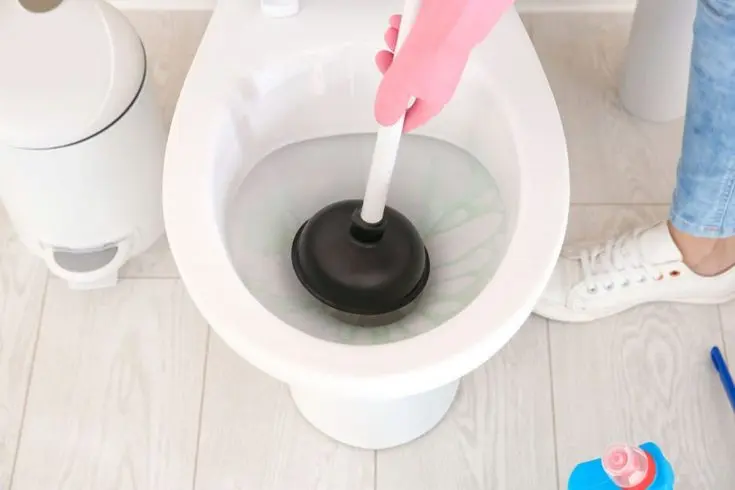
6. Use a plunger with proper technique (block other openings, ensure water covers the cup, pump vigorously) to clear minor clogs.
7. Use a plumbing snake to remove deeper blockages that cannot be cleared with a plunger.
8. Clean faucet aerators by removing and soaking them in vinegar to eliminate mineral deposits and restore water flow.
9. Use chemical drain cleaners sparingly at least once every 3 months, as frequent use may damage pipes over time.
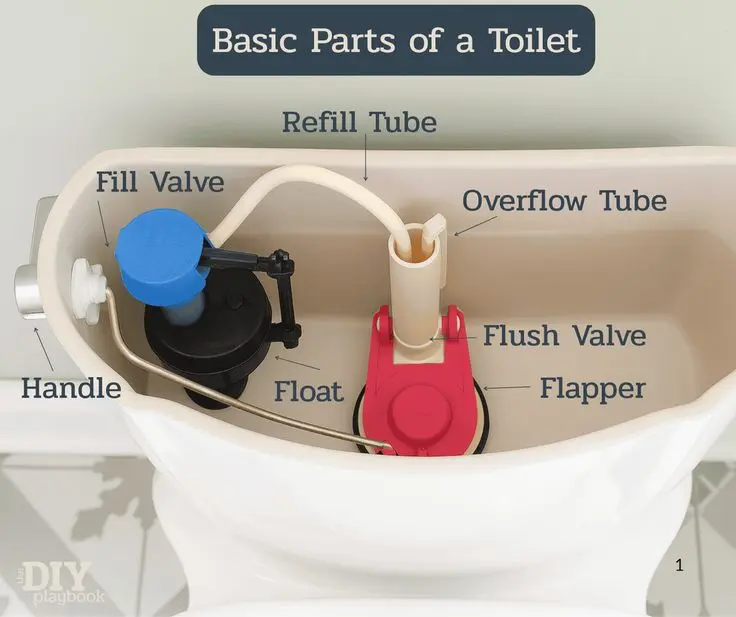
10. Repair running toilets by checking and replacing worn flapper valves to prevent continuous water loss.
11. Keep trees and large roots at a safe distance from underground pipes to prevent intrusion and structural damage.
12. Maintain septic systems through regular pumping (every 3-5 years by licensed professionals) to remove sludge buildup and protect the drain field.
13. Seek professional assistance when a plumbing issue persists or exceeds basic maintenance capabilities.