 29. September 2025
HOW TO MAKE A NATURAL TICK REPELLENT
A natural tick repellent is essential if you spend time outdoors, hiking, gardening, or simply playing in the yard. Ticks can carry serious diseases such as Lyme disease, Rocky Mountain spotted fever, ehrlichiosis, anaplasmosis, and babesiosis, making protection a must.
While many people rely on chemical sprays, natural tick repellents offer a safe and eco-friendly alternative. They are plant-based, biodegradable, and gentle on skin, pets, and the environment. The best part? You can make this natural tick repellent at home with just a few simple ingredients.
DIY Natural Tick Repellent Recipes
Creating your own natural tick repellent is easier than you think. Here are two safe, plant-based recipes to get started:
1. Quick Essential Oil Spray
This simple recipe is perfect for last-minute outdoor protection.
Ingredients:
- ½ cup (120 ml) witch hazel or apple cider vinegar
- ½ cup (120 ml) distilled water
- 40–60 drops of essential oils (cedarwood, lemon eucalyptus, or geranium)
- A spray bottle (8 oz / 240 ml)
Instructions:
- Add witch hazel (or ACV) and essential oils to the spray bottle.
- Fill the rest of the bottle with distilled water.
- Shake well before each use.
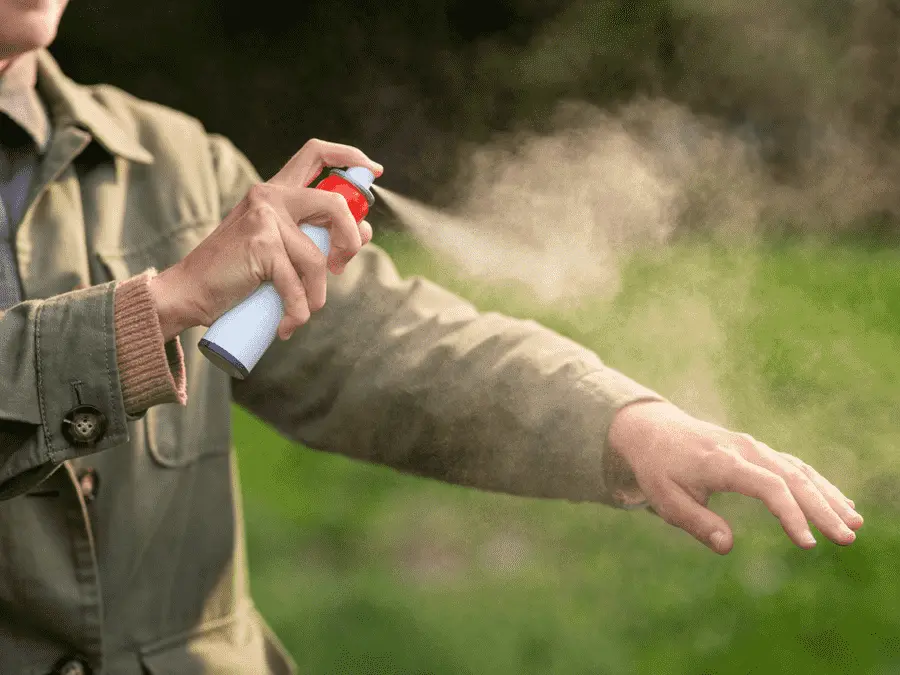
- Spray generously on skin, clothing, and shoes for effective tick protection naturally.
2. Herbal Steeping Spray
This herbal infusion takes a bit more time but creates a strong, long-lasting natural tick repellent.
Ingredients:
- 2 cups (480 ml) distilled water
- 2 tablespoons (10 g) dried rosemary
- 2 tbsp (6 g) dried thyme
- 1 tbsp (2–3 g) dried basil
- 4 tbsp (60 ml) witch hazel
- 5–10 drops essential oil (e.g., geranium)
Instructions:
- Place dried herbs in a heat-safe jar and pour hot distilled water over them. Let steep overnight.
- Strain the liquid through a coffee filter into a spray bottle.
- Add witch hazel and essential oils. Store in the fridge for up to two weeks.
- Shake well before each use and spray on skin and clothing for DIY tick spray protection.

Safety Tips for Using a Natural Tick Repellent
Using a natural tick repellent is safe when you follow these simple precautions:
- Apply thoroughly but safely: Spray enough to cover exposed skin and clothing. For the face, spray into your hands first and pat on, avoiding eyes, nose, and mouth.
- Check for sensitivity: Apply a small amount to a small area of skin to check for sensitivity. If irritation develops, discontinue use and thoroughly rinse the skin.
- Reapply as needed: Natural tick sprays wear off faster than chemical repellents. Reapply every 2–4 hours, or sooner if sweating, swimming, or wiping skin.
- Be careful with children and pets: Always apply the spray yourself for children and avoid spraying their hands and eyes. For pets, check with a veterinarian before using essential oil sprays.
- Use on skin and clothing only: Avoid spraying furniture, bedding, or household surfaces unless testing a small area first, as essential oils may stain.
Essential Oils That Naturally Repel Ticks
Essential oils and certain household items work by masking your scent or confusing ticks’ sense of smell. These ingredients are safe, effective, and perfect for creating a natural tick repellent:
- Lemon Eucalyptus Oil: Strong and effective; check with a vet before using it on pets.
- Cedarwood Oil: Safe for humans and dogs, highly effective against ticks.
- Geranium Oil: Must be diluted; use caution with pets.
- Lavender Oil: Repels multiple pests and smells pleasant.
- Garlic (oil or fresh): Can be sprayed in yards, on pet fur, or even consumed to help prevent tick bites.
Conclusion
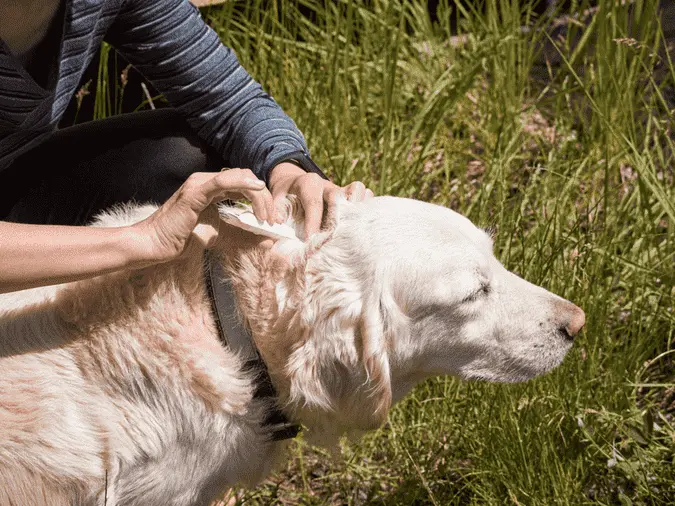
Remember, no repellent is 100% effective, so combine your DIY tick spray with thorough tick checks after outdoor activities. If you find a tick attached, remove it carefully with fine-tipped tweezers, and seek medical advice if a rash or flu-like symptoms appear. With these simple plant-based solutions, you can enjoy the outdoors safely while keeping yourself, your children, and your pets protected.
Disclaimer: This content is for informational purposes only and is not professional advice.