 15. September 2025
A COMPREHENSIVE GUIDE TO PREVENTING MOSQUITO-BORNE DISEASES
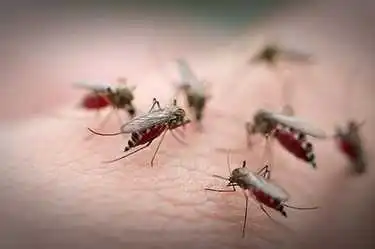
Mosquito-borne illnesses like dengue, Zika, and West Nile virus are a growing global health threat, causing widespread sickness and death. These diseases are expanding into new regions due to factors such as climate change, rapid urbanization, and increased global travel. The mosquito is considered the world’s deadliest animal, responsible for hundreds of thousands of deaths each year.
Since there are often no specific treatments or widely available vaccines for many of these diseases, the best and most effective defense is preventing mosquito-borne diseases by avoiding mosquito bites. This guide presents a comprehensive approach that combines personal protection with community-level strategies to help you protect yourself and your community from these serious health threats.
Threat of Mosquito-Borne Diseases
Mosquitoes are more than just a nuisance; they are carriers of dangerous pathogens. They transmit serious diseases like:
- Malaria: A life-threatening parasitic disease transmitted by Anopheles mosquitoes.
- Dengue: A viral infection causing high fever, severe headaches, and joint pain, spread by Aedes mosquitoes.
- Zika: A viral disease also spread by Aedes mosquitoes, which can cause fever, rash, joint pain, and birth defects.
- West Nile Virus: A viral infection that causes fever, headache, and fatigue, transmitted by Culex mosquitoes.
Understanding the Mosquito Life Cycle
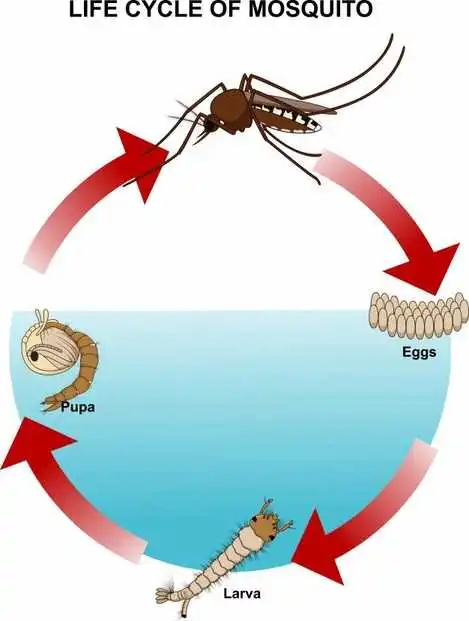
Mosquitoes have a four-stage life cycle: egg, larva, pupa, and adult, that can last anywhere from four days to a month, though the exact duration varies by species and is highly dependent on environmental factors such as temperature and water availability. The cycle begins when a female mosquito lays her eggs in or near stagnant water. These eggs then hatch into larvae, which live in the water. The larvae develop into pupae, also residing in the water, and the complete cycle from egg to adult can be as short as seven to ten days in warm summer months. Finally, the adult mosquito emerges from the water and flies away.
How Diseases are Transmitted
Mosquitoes act as disease vectors (carriers), not the cause of pathogens. An adult female mosquito carries a pathogen when it bites a person infected with a disease-causing microorganism. While the pathogen is inside the female adult mosquito, it multiplies. Subsequently, when the infected female mosquito bites a healthy person, it injects the pathogen into their bloodstream through its saliva, thereby transmitting the disease.
Mosquito Breeding Grounds and Behavior
Mosquitoes need stagnant water to complete their life cycle, which is why they can be found breeding in a variety of environments, such as:
- Natural Sources: Ponds, puddles, ditches, swamps, and marshes.
- Artificial Sources: Mosquitoes thrive in human-made containers around your home, such as buckets, flowerpots, bird baths, clogged gutters, and old tires.
Different mosquito species are active at various times of the day. Some are most active from dusk till dawn, while others bite at night. This is why it’s important to stay protected 24/7.
Key Strategies for Preventing Mosquito-Borne Diseases
Using an insect repellent is one of the most effective ways to prevent bites. Preventing mosquito-borne diseases often starts with a quality repellent. Look for products with active ingredients registered by the Environmental Protection Agency (EPA), such as DEET, Picaridin, and Oil of Lemon Eucalyptus (OLE).
These repellents have been evaluated for safety and effectiveness. When using insect repellent, it’s essential to follow the product’s label instructions. The label contains crucial information for safe and effective application. A thin, even layer on exposed skin is all you need; applying too much doesn’t provide extra protection and can be wasteful or even harmful. If you’re also using sunscreen, apply it before the repellent. The following strategies provide a comprehensive approach to protecting yourself and your family:
- A simple way to create a physical barrier against mosquito bites is to wear loose-fitting, long-sleeved shirts and long pants.
- For extra protection, use clothing and gear treated with permethrin, an insecticide that kills or repels mosquitoes. Never apply permethrin products directly to your skin.
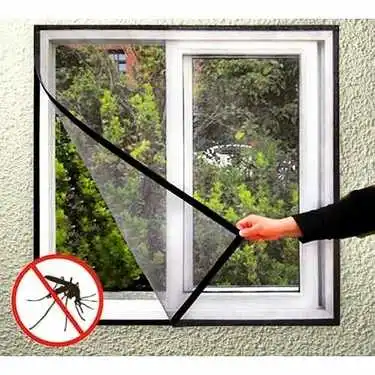
- Install and maintain all your windows and door screens. Be sure to check them regularly for any tears or holes and repair them right away.
- Seal any gaps and cracks in your walls, windows, and doors with caulk or weatherstripping, as mosquitoes can squeeze through even the smallest openings.
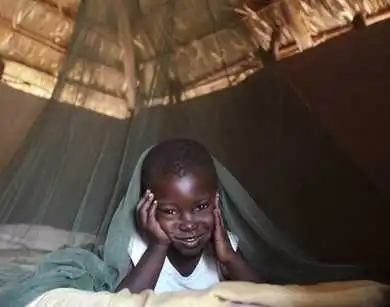
- For an added layer of defense, use mosquito netting over your bed, especially if you don’t have air conditioning.
- Lastly, use air conditioning or fans. The cooler temperatures and air circulation can deter mosquitoes from entering and staying in your home.
Environmental Control
Controlling mosquito populations in your community is crucial for long-term prevention. Removing stagnant water sources is the single most important action you can take for preventing mosquito-borne diseases on a larger scale. To do this:
- Twice a week, empty any water from containers such as flowerpots, buckets, bird baths, and pet water bowls.
- Keep your lawn and garden well-maintained. Mow your lawn regularly and trim overgrown vegetation, as this reduces the shady, humid spots where mosquitoes like to rest.
- Clean out gutters and downspouts to prevent water from accumulating. For larger areas in your yard that tend to collect water, consider improving drainage by adding organic matter to the soil, creating a rain garden, or installing French drains.
- Avoid leaving clutter such as old tires, tarps, or unused equipment in your yard or around your home. These items can easily collect rainwater and become hidden breeding grounds for mosquitoes.
Conclusion
By taking simple steps, such as using insect repellent, wearing protective clothing, and eliminating stagnant water, you can significantly reduce your risk of contracting mosquito-borne diseases. Remember, no single method is enough. The most powerful tool you have is a combination of these strategies, working together to protect ourselves and our communities. By being proactive, you can help control the spread of these dangerous diseases.