
 28. May 2026
HOW FLEA INFESTATIONS AFFECT THE HEALTH OF HUMANS AND PETS.
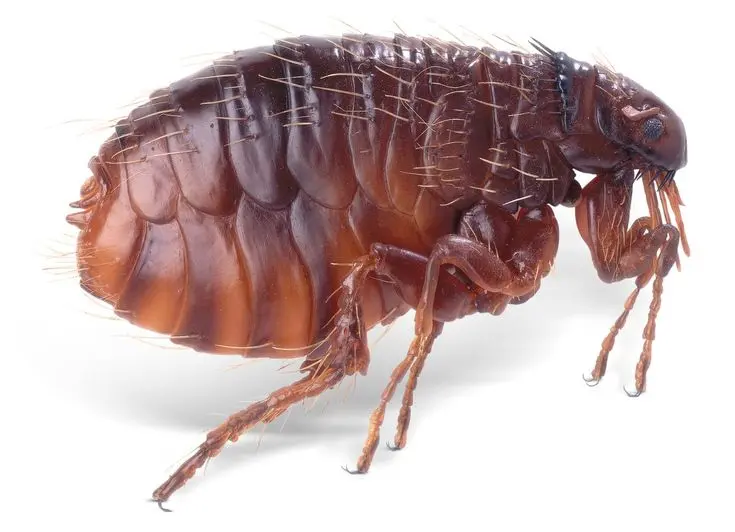
A flea can become a full infestation within weeks. Fleas feed on animal blood, reproduce rapidly, and carry pathogens capable of causing serious illness in both pets and people. What begins as persistent scratching can escalate into skin disease, anemia, parasitic infection, and bacterial illness. Understanding the full range of health risks is the first step toward protecting your household.
Medical Disclaimer: This content is provided for educational purposes only. It is not a substitute for professional veterinary or medical advice. If your pet is showing symptoms of illness, consult a licensed veterinarian promptly.
How flea infestations affect pets and humans
Below are some of the ways flea infestations affect pets and humans:
1. Severe skin problems and flea allergy dermatitis
For many pets, the most immediate risk from fleas is not the bite itself but the body’s immune response to flea saliva. Flea saliva contains proteins that can trigger an allergic reaction in sensitive animals, a condition known as flea allergy dermatitis (FAD).
FAD can cause intense itching and inflammation after just a single bite. The irritation commonly affects the lower back, base of the tail, abdomen, and groin area. As pets continue scratching, chewing, and biting the irritated skin, the skin barrier breaks down. This can lead to:
- Painful hot spots
- Scabby, inflamed skin lesions
- Hair loss in affected areas
- Open sores and wounds
- Secondary bacterial infections requiring antibiotic treatment
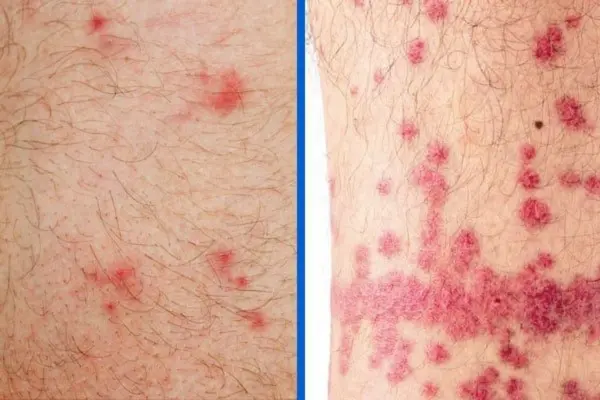
Humans can develop similar hypersensitivity reactions to flea saliva. Repeated bites cause localized redness, raised welts, and persistent itching. Children are especially prone to secondary skin infections when they scratch bites open.

2. Blood Loss and flea-related anemia
An individual flea consumes only a small amount of blood. But hundreds or thousands of fleas feeding repeatedly is a different calculation. Large infestations can remove enough blood to cause flea anemia, a condition that is particularly dangerous for vulnerable animals.
Pets most at risk include:
- Puppies and kittens
- Elderly pets
- Small and toy breeds
These animals have lower blood reserves and can decline rapidly during a severe infestation. In extreme cases, emergency veterinary care and blood transfusions become necessary.
Signs of flea-related anemia in pets:
- Weakness or unusual tiredness
- Reduced appetite
- Rapid or labored breathing
- Pale gums
- Poor circulation
The same risk applies to young children. During a heavy infestation, repeated bites can contribute to iron deficiency anemia in infants and toddlers. Because young children cannot articulate persistent fatigue or discomfort, this is easy to overlook and delay in treating (ScienceDirect).
3. Parasitic and infectious diseases
Fleas do more than feed on blood. They carry parasites and pathogens that affect both animals and people. The following conditions are among the most common flea-related infections:
Tapeworm infection
The dog tapeworm (Dipylidium caninum) uses fleas as an intermediate host. Pets ingest infected fleas while grooming, and the tapeworm develops in the intestines. Signs in pets include weight loss, digestive discomfort, scooting behavior, and nutritional deficiencies.
Humans, most commonly young children, can become infected the same way, by accidentally swallowing an infected flea through contact with infested animals. This is one of the most frequently omitted flea health risks, but it is well-documented.
Murine (Flea-Borne) typhus
Murine typhus is caused by the bacterium Rickettsia typhi. People become infected when infected flea feces enter the body through broken skin or mucous membranes. In the United States, most cases occur in Texas, California, and Hawaii, with approximately 300 reported annually. Deaths are rare, estimated at less than 1% of cases (CDC).
Cat scratch disease
Cat scratch disease (CSD) is caused by Bartonella henselae, which cats acquire through flea bites. Infected cats pass the bacteria to humans through scratches or bites. An estimated 12,000 outpatient CSD diagnoses and 500 hospitalizations occur in the U.S. each year (Emerging Infectious Diseases, 2016, CDC).
In healthy people, CSD typically resolves without treatment. In immunocompromised patients, Bartonella henselae can cause bacillary angiomatosis and serious systemic illness (Merck Manual).
Plague
Plague, caused by Yersinia pestis, is the most historically devastating flea-borne disease. Modern U.S. cases are rare and concentrated in the rural western states, but they do still occur. Early antibiotic treatment is effective. Delayed diagnosis is not.
How to treat a flea infestation effectively
Infestation effectively requires addressing three areas simultaneously: the pet, the indoor environment, and, for households with outdoor pets, the yard.
Treat the pet:
- Use a veterinarian-recommended flea preventive on every animal in the home, not only the one showing symptoms
- Veterinarian-prescribed products (oral or topical) containing fluralaner, afoxolaner, or selamectin are generally more effective than over-the-counter alternatives
- Consult a vet before purchasing; OTC products vary significantly in efficacy
Manage the indoor environment:
- Vacuum carpets and upholstery frequently and dispose of vacuum bags immediately after use
- Wash all pet bedding in hot water at least once per week during an active infestation
- Clean upholstered surfaces thoroughly
- Consider professional pest treatment for severe or recurring infestations, especially in households with young children or immunocompromised members
Manage the outdoor areas when relevant:
- Flea populations persist in soil, leaf litter, and shaded areas where pets rest
- Treating only indoors while ignoring outdoor re-exposure extends the infestation
Consistency matters. Breaking the full flea life cycle typically requires several weeks of sustained, multi-front treatment.
Conclusion
If you notice pale gums, unusual fatigue, rapid breathing, persistent scratching, hair loss, or open skin wounds on pets, seek veterinary care. Do not wait to see whether symptoms improve on their own. If anyone develops fever, an unexplained rash, or swollen lymph nodes within two weeks of known flea exposure, see a healthcare provider and mention the flea contact. These symptoms overlap with murine typhus, cat scratch disease, and other flea-borne illnesses that respond well to early antibiotic treatment and poorly to delayed diagnosis. See other related article.
Sources