 17. June 2024
Premium Homes Childproofing Guide for Toddlers – Pt2
Childproofing on a Budget.
Childproofing a home while on a budget can be achieved by identifying and prioritizing the most critical hazards that pose a risk to young children’s safety.
One cost-effective childproofing hack is to use pool noodles to cushion sharp edges of furniture, such as tables and countertops. By cutting the pool noodles to the desired length and attaching them to the edges, potential injuries from accidental bumps or falls can be minimized.
Another DIY solution is to use rubber bands or hair ties to secure cabinet doors and drawers. This simple trick can prevent children from accessing hazardous items stored inside.
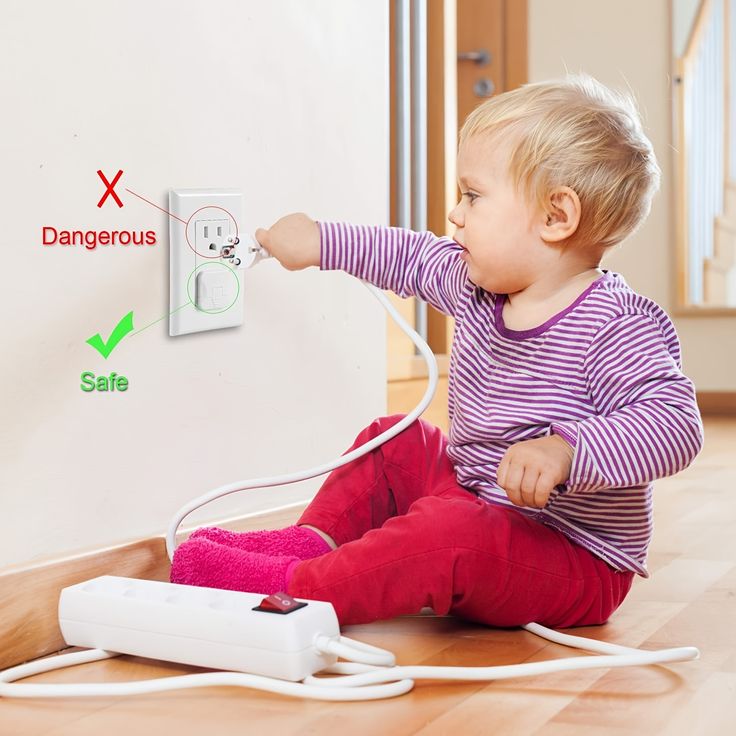
Additionally, securing electrical outlets can be done using inexpensive outlet covers or by using tape to cover them. This prevents toddlers from inserting objects into the outlets, reducing the risk of electric shocks.

Installing baby gates at the top and bottom of staircases is also crucial to prevent falls. Alternatively, parents can use tension rods and fabric to create a DIY barrier.
Childproofing for Different Developmental Stages.
Different developmental stages require varying levels of safety measures to ensure the well-being of children. It is important to understand that childproofing should not be a one-time activity, but rather an ongoing process that evolves as your child grows. Here are some key considerations for childproofing at different developmental stages:
Crawling stage.

- Install safety gates at the top and bottom of stairs to prevent falls.
- Place covers on electrical outlets to prevent accidental shocks.
- Secure heavy furniture, such as bookcases and TV stands, to the wall to prevent tipping.
Toddler stage.

- Keep cleaning products, medications, and other hazardous substances out of reach or locked away.
- Use corner guards on furniture to prevent injuries from sharp edges.
- Keep small objects, such as coins and buttons, out of reach to avoid choking hazards.
Pre-school stage.

- Teach your child about safety rules, such as not opening the door to strangers.
- Install window guards to prevent falls from windows.
- Use door knob covers to prevent access to rooms with potential dangers.
By adapting childproofing measures as your child grows, you can ensure their safety and well-being at each stage of their development.
Conclusion.
- Childproofing is an essential aspect of ensuring the safety and well-being of toddlers. By implementing the necessary safety measures and following room-by-room Child proofing tips, parents can create a secure environment for their children to explore and play in.
- It is important to avoid common babyproofing hazards and consider childproofing on a budget. Furthermore, understanding the different developmental stages of toddlers is crucial in determining the appropriate childproofing measures.
Remember, childproofing is like building a fortress of protection, shielding our little ones from harm’s reach.