 14. May 2025
The Importance of Hygiene During Puberty
Puberty is a significant life phase marked by rapid physical and emotional changes. During puberty, teenagers’ bodies change rapidly due to new hormones. This creates a need for new hygiene habits. Teaching teenagers good hygiene practices early, around age 10, helps them develop healthy habits and navigate these changes with confidence. Good hygiene practices are essential during puberty to prevent body odor, acne, and other health issues.
Personal hygiene specifically refers to taking care of your own body to keep it clean. This involves developing habits and routines that help prevent the spread of illnesses and infections, while also promoting overall well-being and confidence.
Why Hygiene Matters During Puberty
During puberty, hormonal changes can lead to increased sweat production, body odor, and acne. Poor hygiene can exacerbate these issues, affecting self-confidence and overall well-being. Good hygiene habits help:
- Prevent body odor and bad breath
- Reduce acne and skin problems
- Boost self-confidence and self-esteem
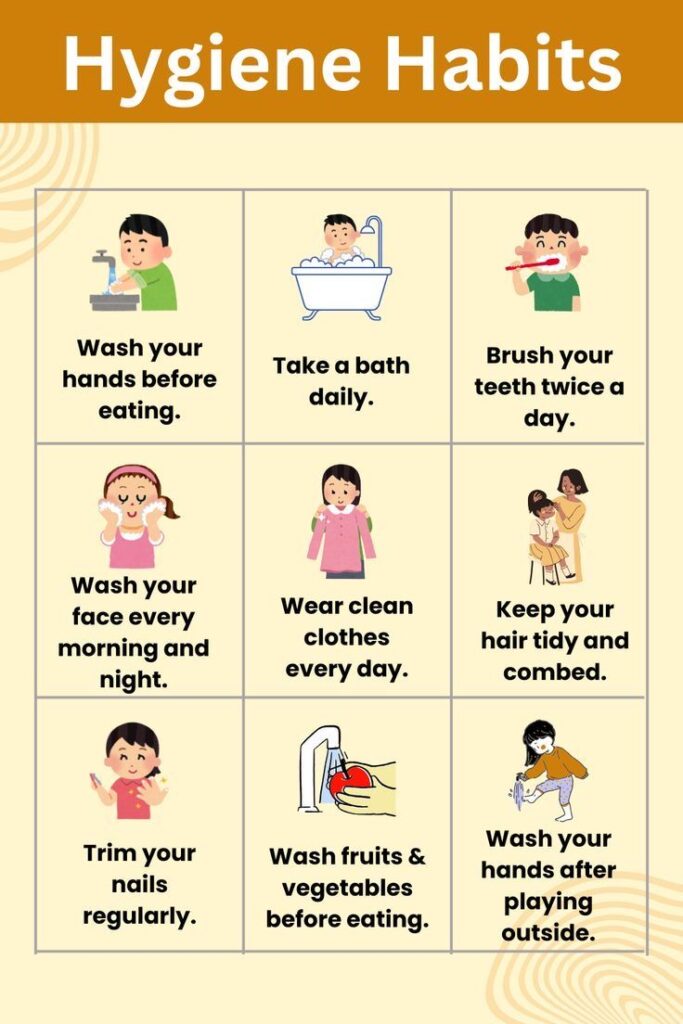
Essential Hygiene Habits
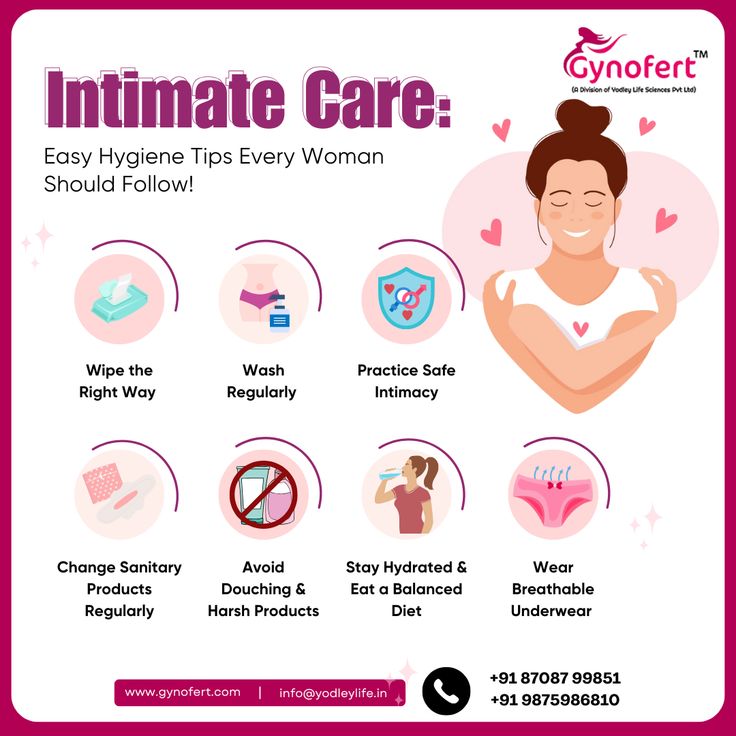
1. Shower or bathe to remove dirt, sweat, and keep your body clean.
2. Use antiperspirant or deodorant to help control body odor and reduce sweating.
3. Brush and floss teeth daily to maintain oral hygiene and prevent bad breath and tooth decay.
4. Wash your hair regularly to keep it clean and healthy.
5. Trim your fingernails and toenails regularly to keep them clean and neat.
6. Wear clean clothes daily to prevent body odor and limit bacterial growth.
7. Wash your hands frequently, especially after using the bathroom and before eating.
8. Use skin care products that suit your skin type to avoid irritation and breakouts.
9. Drink plenty of water to stay hydrated and support healthy skin and body function.
10. Shave or groom pubic hair regularly.
Managing Specific Issues
- Acne: Wash your face twice a day with a gentle cleanser and use oil-free products to reduce acne.
- Body Odor: Use antiperspirant or deodorant, wear clean clothes, and shower regularly to stay fresh.
- Menstruation: Change sanitary pads regularly, and practice good genital hygiene.
Conclusion
Good hygiene habits are important during puberty to maintain physical and emotional well-being. By adopting healthy habits, kids can navigate this phase with confidence and develop lifelong practices that promote overall health and self-esteem. Read up our article on navigating puberty.