
In today’s digital world, where identity theft, cyber threats, and online fraud are common, protecting personal information and privacy online is essential. By managing your online presence, being informed, and being safe, you can safely navigate the internet, stay ahead of potential threats, and defend yourself from online perils.

-
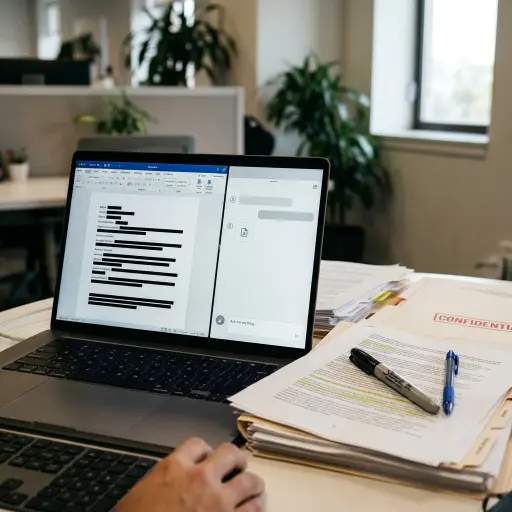
HOW TO SAFELY USE AI TOOLS WITHOUT UPLOADING SENSITIVE INFORMATION.
AI tools are great tools for writing, coding, research, and business. But when providing information to an AI chatbot, extra care should be taken. Depending on the platform, account type, and privacy settings, the chatbot may save, review, or use your information to enhance its AI. Without having knowledge of their policies, uploading sensitive information…
-
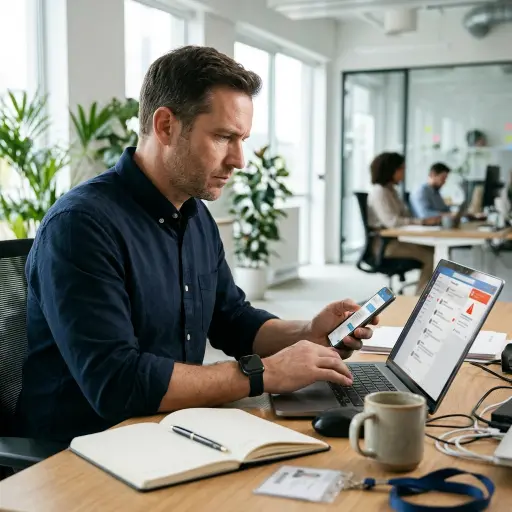
WHAT TO DO IF YOUR LINKEDIN ACCOUNT IS HACKED.
A hacked LinkedIn account can put your professional reputation and network at risk. An unauthorized person may change your profile information, send fraudulent messages to your connections, publish spam, or prevent you from accessing your account. Acting quickly can help you recover access, remove unauthorized changes, and protect your professional information. Recognizing the signs of…
-
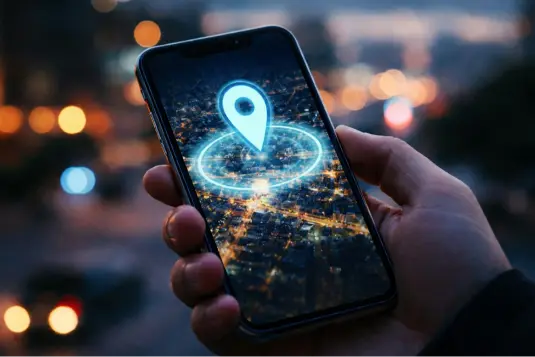
HOW TO STOP APPS FROM TRACKING YOUR LOCATION.
Many smartphone applications ask for your location to deliver local weather, navigational maps, or regional news. However, many of these programs continue collecting your location in the background long after you close them. Apps often include built-in code from advertising networks and data brokers that automatically logs your movement patterns. This continuous monitoring creates a…
-
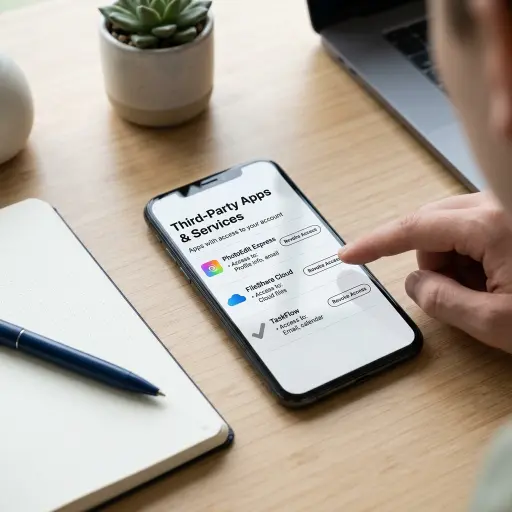
HOW TO CHECK WHAT APPS HAVE ACCESS TO YOUR GOOGLE ACCOUNT.
Many apps, websites, and games connect to your Google account for quick sign-ins or access to specific data. However, these connections can remain active long after you stop using a service. Reviewing your connected apps helps you identify outdated permissions, recognize unfamiliar services, and limit unnecessary access to your personal information. How to check connected…
-
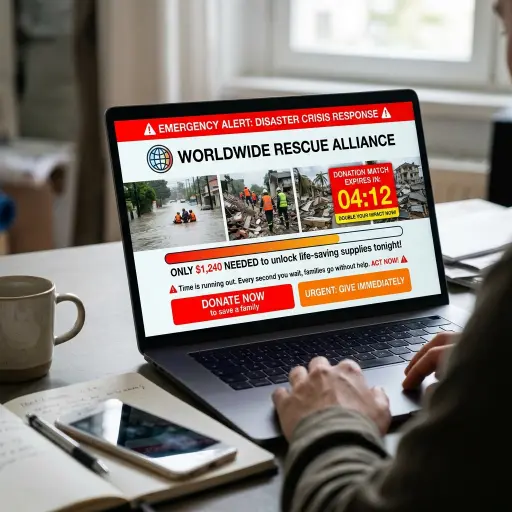
HOW TO SPOT FAKE CHARITY WEBSITES AND PROTECT YOUR DONATIONS.
When disaster strikes or holiday giving season arrives, generous people rush to support charitable causes. Unfortunately, online scammers also use these moments to launch fraudulent donation websites that mimic legitimate organizations. Recognizing a fake charity website before entering your credit card details ensures your hard-earned money actually helps those in need. Protecting your donations starts…
-
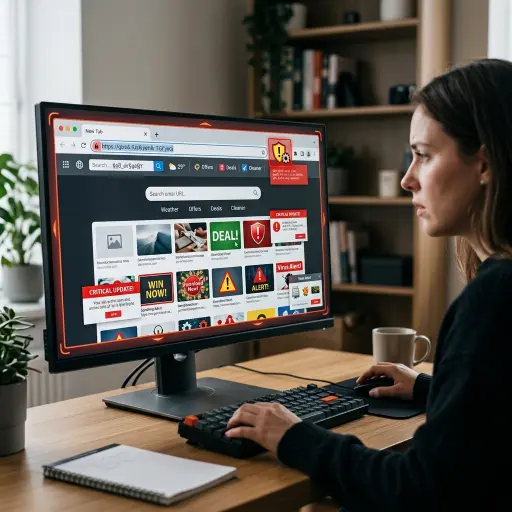
HOW TO REMOVE A SUSPICIOUS BROWSER EXTENSION: STEP-BY-STEP SECURITY GUIDE.
Browser extensions can add useful features to your web browser, but rogue or compromised extensions may track browsing activity, inject unwanted ads, or redirect searches. If your browser suddenly behaves differently, an unfamiliar extension could be responsible. Knowing how to identify and remove a suspicious browser extension can help protect your privacy and restore normal…
-
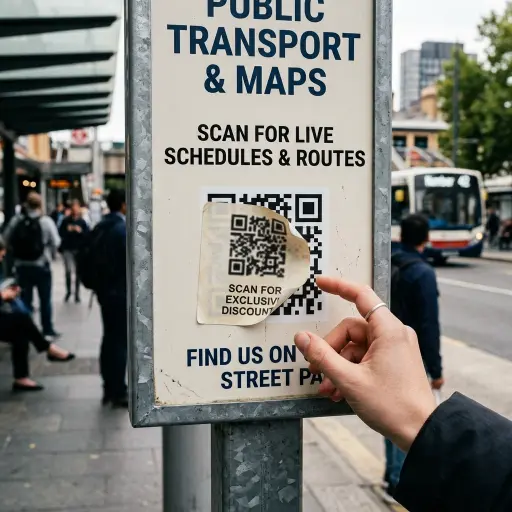
HOW TO RECOGNIZE A FAKE QR CODE BEFORE SCANNING IT.
Scanning QR codes makes it easier to visit sites, access menus, and make payments. Scanning is now a popular way of interacting with digital content at restaurants, parking spots, product packaging, posters, or advertising materials. Nevertheless, fraudsters have been known to replace legitimate QR codes with those that lead to phishing pages or the theft…
-
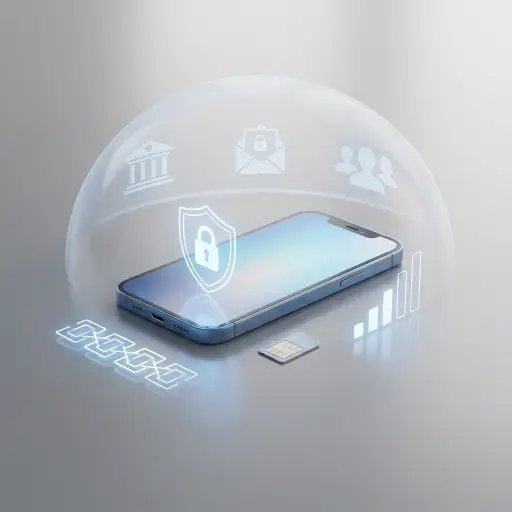
HOW TO PROTECT YOUR SIM CARD FROM UNAUTHORIZED ACCOUNT TAKEOVER.
Mobile devices anchor our digital lives, serving as the primary verification keys for banking, email, and social media accounts. If a scammer takes control of your number, they may be able to intercept verification codes and attempt to access other accounts. To reduce the risk of SIM swap fraud, set up a secure PIN or…
-
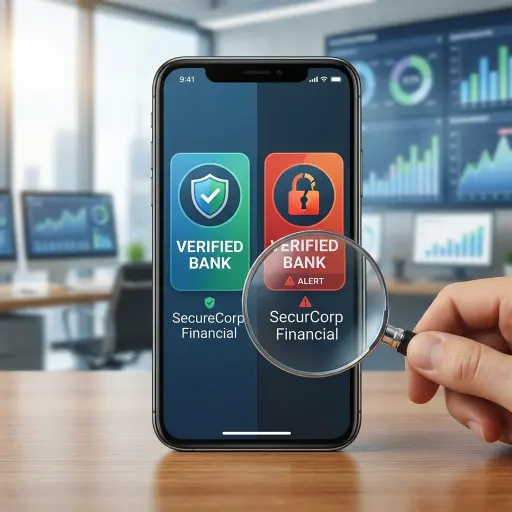
HOW TO SPOT FAKE BANKING APPS BEFORE INSTALLING THEM.
Mobile banking apps simplify daily transactions, but fraudulent apps found on app stores and third-party websites can pose serious security risks. Cybercriminals design these apps to imitate legitimate banking platforms and steal login credentials, account details, and personal information. Fake banking apps often copy the logos, interface layouts, and color schemes of established financial institutions.…
-
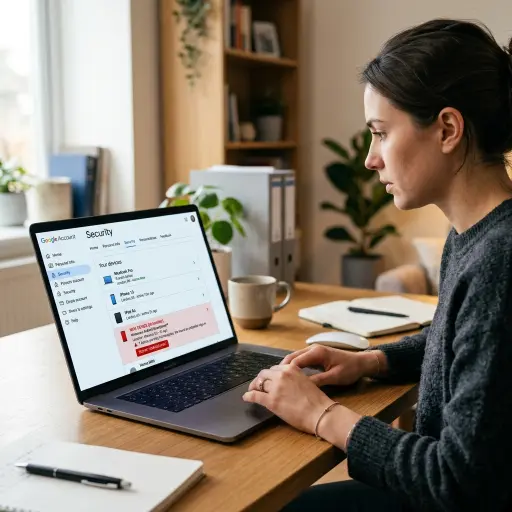
HOW TO REMOVE AN UNKNOWN DEVICE FROM YOUR GOOGLE ACCOUNT.
Discovering an unrecognized device connected to your Google Account is a serious security concern. Leaving an unauthorized device logged in grants potential intruders access to your emails, personal photos, saved passwords, and private documents. Taking immediate action secures your personal information and prevents unauthorized access. Here is how to identify and remove an unknown device…
-
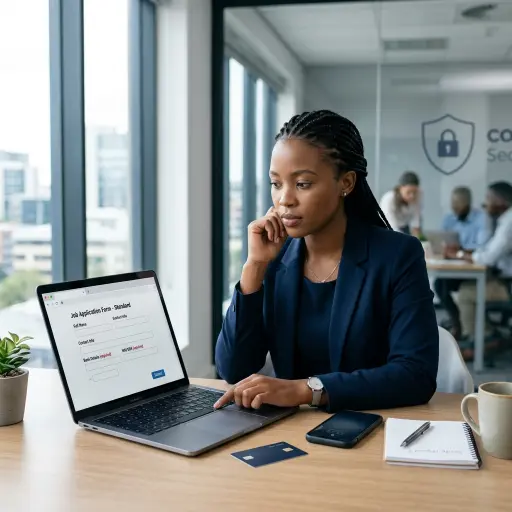
HOW TO SPOT FAKE JOB OFFERS ONLINE.
Getting a message about a “dream job” can be exciting, until it turns out to be a scam. Fake job offers are becoming increasingly convincing, often using real company names, professional-looking profiles, and urgent messages designed to pressure job seekers into acting quickly. Warning signs of fake job offers online The following are warning signs…
-
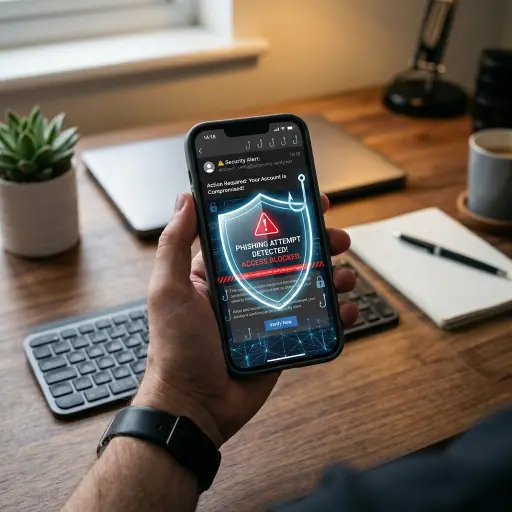
WHAT TO DO IF YOUR INSTAGRAM ACCOUNT IS HACKED (STEP-BY-STEP GUIDE).
A hacked Instagram account can feel overwhelming, especially if you’ve lost access to your login credentials. Whether a hacker changed your password, swapped your email address, or is posting content you never created, there are clear steps you can take to recover your account and lock hackers out for good. This guide walks you through…
-
WHAT TO DO IF YOUR EMAIL ACCOUNT IS HACKED.
When your email account is hacked, much more than your inbox is at risk. Your bank accounts, social media profiles, online shopping accounts, and other services connected to that email address could also be compromised. Recovering a hacked email account usually follows a clear process. Acting quickly and following the right steps can help you…
-

WHAT TO DO IF YOUR FACEBOOK ACCOUNT IS HACKED.
A Facebook hacking incident is much more frequent than many people think, and once it occurs, time is of the essence. If you’ve either noticed something strange going on or have been blocked from accessing your account completely, then read on for instructions on how to solve this problem. Signs your Facebook account is hacked…
-
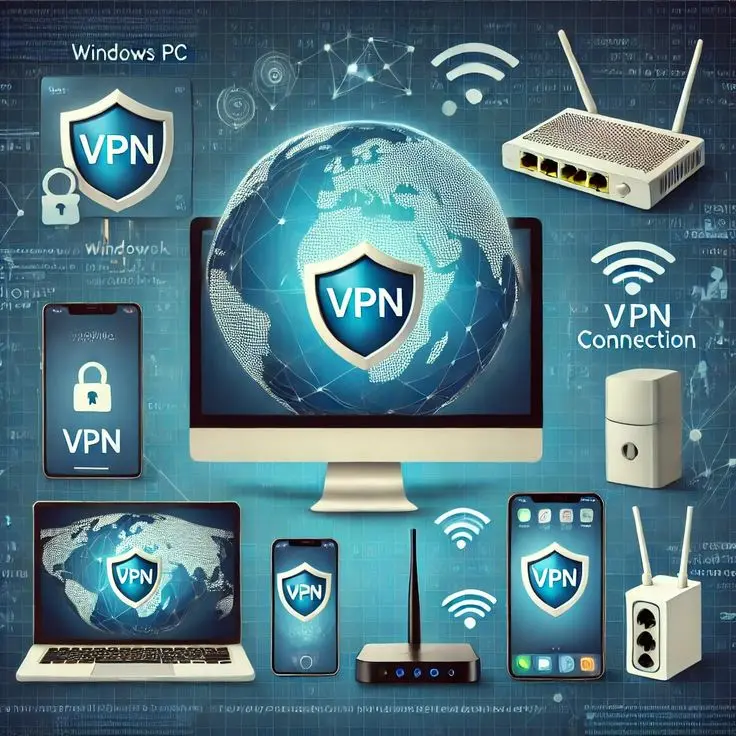
WHY YOU SHOULD USE A VPN TO PROTECT YOUR ONLINE PRIVACY
Every time you use the internet, you leave a digital footprint. Your online activity may be tracked by internet service providers, advertisers, and data brokers, often without your knowledge. A VPN helps reduce this tracking by encrypting your internet connection and masking your IP address. A VPN (Virtual Private Network) is software that encrypts your…
-
BEST PRACTICES FOR SAFE BANKING AND FINANCIAL TRANSACTIONS.
Digital banking makes managing finances faster and more convenient. With just a smartphone or computer, you can transfer funds, pay bills, and access your accounts from anywhere. However, this convenience also comes with risks such as fraud. To stay protected, it is essential to remain cautious when handling financial transactions. 8 Key practices for safe…
-
ESSENTIAL CYBERSECURITY HABITS EVERYONE SHOULD FOLLOW IN 2026.
Cybersecurity in 2026 has evolved far beyond traditional virus protection. Today, individuals and organizations must contend with AI-driven scams, increasingly sophisticated identity theft, and continuous risks to personal data. Recent findings highlight that human error remains a major vulnerability, accounting for a significant share of security breaches, while the financial impact of these incidents continues…
-
AVOIDING MALWARE AND VIRUSES.
In the digital age, malware and viruses are no longer just a concern for IT professionals; they are a daily risk for anyone with a smartphone or computer. Malware (short for malicious software) is a broad term covering everything from viruses (which replicate and spread) to ransomware (which locks your files) and spyware (which steals…
-
HOW TO REPORT ONLINE HARASSMENT.
Online harassment can feel like a silent storm, unseen by the world around you but deeply distressing to experience. Whether it is a stranger on the other side of the globe or someone in your local community, the digital world often makes it easy for others to cross boundaries. Because the internet is borderless, reporting…
-

STAYING SAFE IN ONLINE COMMUNITIES
Being part of online communities can greatly enrich your life through connection, support, and shared interests. However, these spaces also present potential risks such as cyberbullying, scams, identity theft, and privacy breaches. The good news is that with intentional actions, you can confidently enjoy the benefits of online engagement while protecting yourself. Tips to stay…
-

SHOP SMART, SHOP SAFE: A GUIDE TO PERSONAL SHOPPING SAFETY
Whether you’re looking for the perfect outfit at the mall or browsing for a new gadget online, personal shopping safety is a key part of a good shopping experience. By staying aware of your surroundings, protecting your belongings, knowing how to respond to potential threats, or making secure online payments, you can significantly enhance your…
-

HOW TO STAY SAFE WHILE MEETING NEW PEOPLE
It’s natural for us to connect with others; after all, no one is an island. Building relationships is key to personal growth and achieving your goals. However, as you meet new people, it’s wise to be careful and vigilant, as you can’t always know someone’s true intentions right away. This means taking proactive steps like…
-

The Importance of Strong Passwords.
Cybercriminals compromise over 30,000 websites daily, and weak passwords contribute to about 81% of hacking-related breaches. In an era where personal and financial data is increasingly stored online, a strong password is the first—and often only—line of defense against unauthorized access. Whether protecting email accounts, banking details, or sensitive work documents, robust password practices are…
-
Protecting Family Details: Online Privacy 2
Teach children and elderly family members about the importance of online privacy and the risks of oversharing. Have a conversation with your family about the importance of online safety and privacy. Explain to them why it’s important to be cautious about the information they share online. Use strong, unique passwords: Online privacy Implement strong, unique…
-

Your Guide to Securely Protecting Personal Information 1
In today’s digital age, our personal information is more valuable than ever before. With the rise of cyber threats and identity theft, protecting your private data online can help prevent a multitude of security risks. At Entaliaz Household Services, we prioritize your family’s safety and well-being, physically and virtually. This article will walk you through…
-
Cyberbullying Prevention and Response : A Guide for Families
In today’s digital world, the internet has become an essential part of daily life, offering opportunities for learning, communication, and entertainment. However, it has also given rise to the growing issue of cyberbullying, which can significantly affect the emotional and mental well-being of children and teens. Here’s how you can prevent and respond to cyberbullying…
-

Parental Controls: Setting Up Safe Internet Spaces in Your Home 101
In today’s digital age, the internet is an essential part of everyday life, offering endless opportunities for education, entertainment, and communication. However, as the online world continues to expand, so do the risks associate with it—especially for children. With the vast amount of content available online, not all of it is suitable for young audiences.…
-
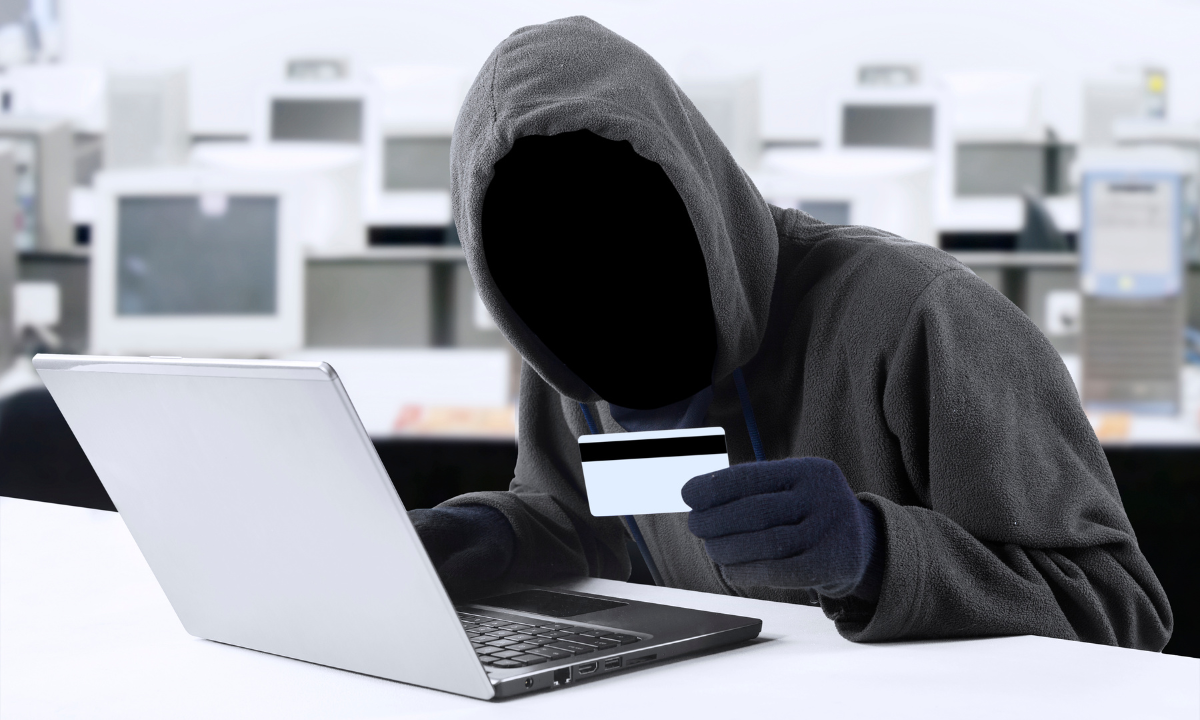
Introduction to online safety
Online safety is crucial in today’s world because it allows us to navigate the digital landscape safely. It covers topics including device safety, social media etiquette, data privacy, and safe browsing techniques. This guide offers helpful tips and best practices to help people navigate the digital landscape with confidence, stay safe from online threats, and…