


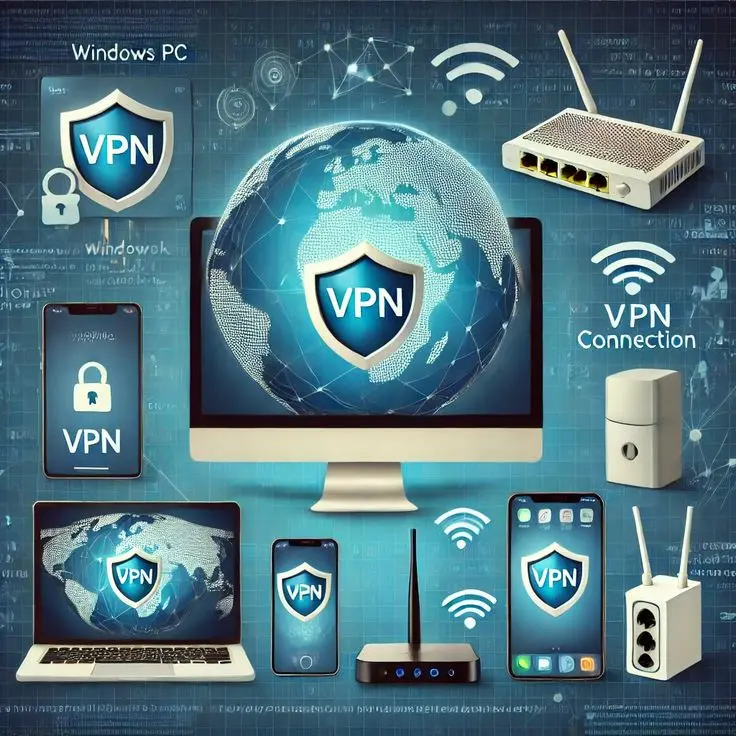

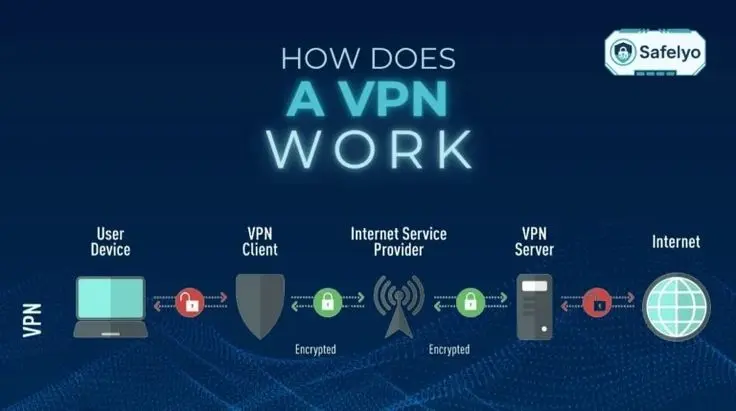
Every time you use the internet, you leave a digital footprint. Your online activity may be tracked by internet service providers, advertisers, and data brokers, often without your knowledge. A VPN helps reduce this tracking by encrypting your internet connection and masking your IP address. A VPN (Virtual Private Network) is software that encrypts your internet connection and helps keep your online activity private. Instead of your data travelling openly through your internet provider, it passes through a secure private server, making it much harder for third parties to monitor your online activity.
How to get a VPN?
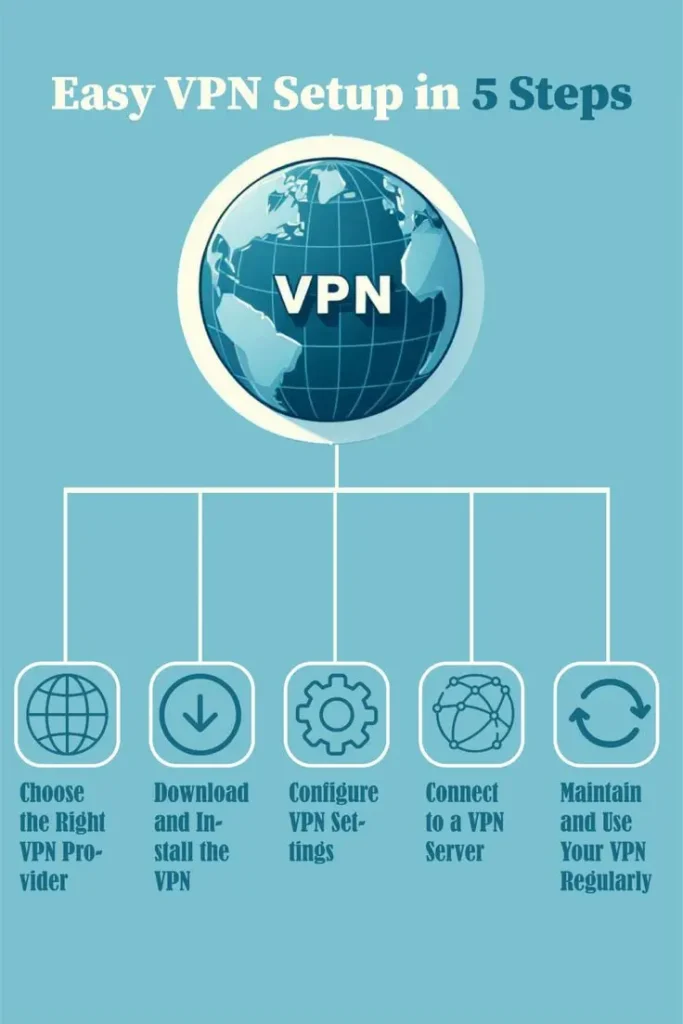
VPNs are usually available as apps that you download and subscribe to. Popular options include NordVPN, ExpressVPN, Surfshark, and Proton VPN. VPN pricing varies by provider and subscription length. Long-term plans often cost only a few dollars per month, while monthly plans can exceed $10 per month.
Setup is typically simple:
- Choose a VPN provider and create an account.
- Download the VPN app on your device.
- Sign in and tap “Connect.”
For most users, setup takes only a few minutes, and the VPN then runs in the background on Windows, Mac, Android, or iPhone/iPad devices.
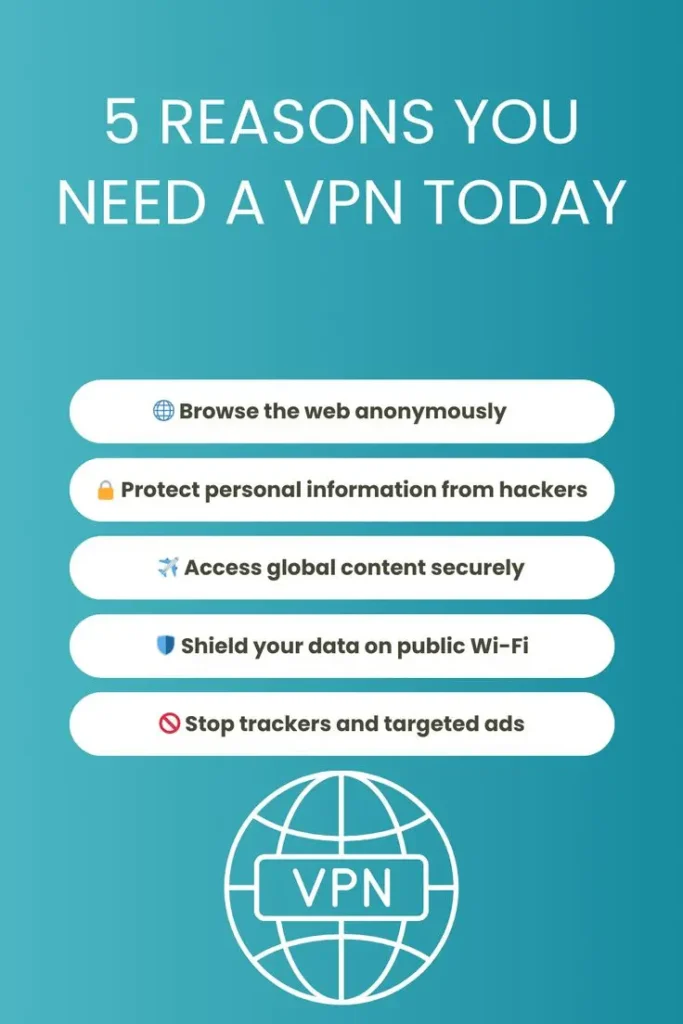
Benefits of using a VPN
1. Prevent your internet provider from tracking your online activity
Your internet provider can often see information about the websites and online services you access. Depending on local regulations and company policies, providers may retain certain connection data for operational, security, or legal purposes. A VPN encrypts your internet traffic, making it more difficult for your provider to see details of your browsing activity. In some countries, they may also be permitted to retain that information for extended periods. A VPN encrypts your internet traffic, making it much harder for your provider to see your browsing activity.
2. Reduce online tracking by advertisers
Advertisers and data brokers often use your IP address and other tracking technologies to collect information about your online activity and build profiles for targeted advertising. A VPN hides your real IP address and replaces it with one from a VPN server, making it more difficult to link your online activity directly to you.
3. Protect your privacy when using mobile data
Using 4G or 5G does not automatically make your internet activity private. Mobile network operators may still be able to see which websites and online services you access, even if they cannot see the contents of your encrypted data. A VPN helps protect your privacy whether you are connected through mobile data or a home internet connection.
4. Add an extra layer of privacy on public Wi-Fi networks
Public Wi-Fi networks in places such as airports, hotels, cafés, and shopping centres can expose users to privacy risks if not properly secured. A VPN encrypts your connection, helping to protect your data from interception while you browse.
What a VPN doesn’t do
A VPN protects your connection, not your device or your behaviour. It will not block malware, protect you from scam links, or log you out of Google or Facebook. Those platforms already know who you are through your account. For device protection, you still need antivirus software and sensible browsing habits.
Think of a VPN like window blinds. They stop people outside from seeing in, but they don’t lock your door or protect you from everything else.
How to pick a good VPN
Choose a no-logs VPN that protects your privacy: Choose a provider that does not record your online activity. Look for VPNs that have been independently audited.
Use trusted VPN protocols for stronger security and performance: VPNs that use WireGuard or OpenVPN generally offer strong security and reliable performance.
Avoid free VPNs that profit from your data: Some free services collect and sell user data. Choose a reputable provider that is transparent about how it makes money.
Conclusion
You do not have to rely on unsecured public Wi-Fi networks to benefit from a VPN. Every day, whether you are using your home internet connection or mobile data, your online activity can be visible to your internet provider and tracked by advertisers. A VPN is affordable, takes only a few minutes to set up, and helps you take greater control of your online privacy. While a VPN is not a complete security solution, it is an effective and affordable way to take greater control of your online privacy.
Sources