 24. September 2026
HOW TO DISPOSE OF OLD VACUUM CLEANERS SAFELY AND RESPONSIBLY.
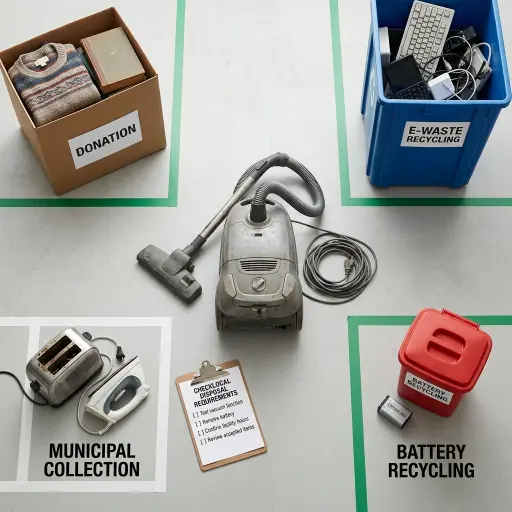
Old vacuum cleaners contain recyclable materials such as plastics, metals, and electrical components. Sending them to a landfill wastes these materials and adds to the growing volume of electronic waste. Before throwing away an old vacuum, check whether it can be donated, recycled, or collected through a local waste program.
1. Prepare the vacuum cleaner for disposal
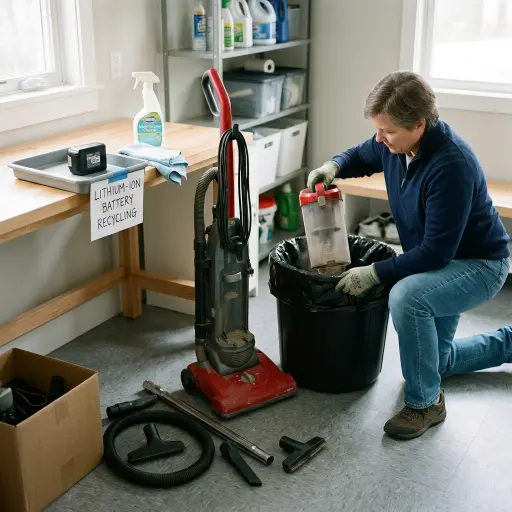
Before taking your vacuum to a recycling center or disposal site, prepare it properly:
- Unplug and detach loose parts: Remove the power cord, hose, attachments, and removable wands where possible.
- Empty the dust container: Remove disposable dust bags or empty the dust canister.
- Clean out loose debris: Wipe the dust compartment and other accessible areas to prevent dirt from spilling during transport.
- Remove rechargeable batteries: Cordless and robotic vacuums may contain lithium-ion batteries. If the battery is removable, take it out and dispose of it through a suitable battery recycling program rather than placing it in household trash.
2. Recycle through an E-Waste program
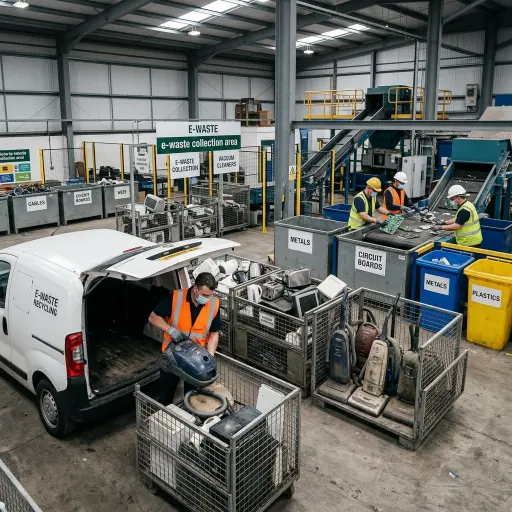
Check whether your local waste authority or recycling center accepts vacuum cleaners. Many facilities handle small electrical appliances through e-waste or appliance recycling programs.
Specialized recyclers can recover materials such as steel, aluminum, copper, plastics, and other components from old vacuum cleaners. Before making a trip, confirm that the facility accepts vacuum cleaners and whether there are any preparation or drop-off requirements.
3. Donate a working vacuum cleaner
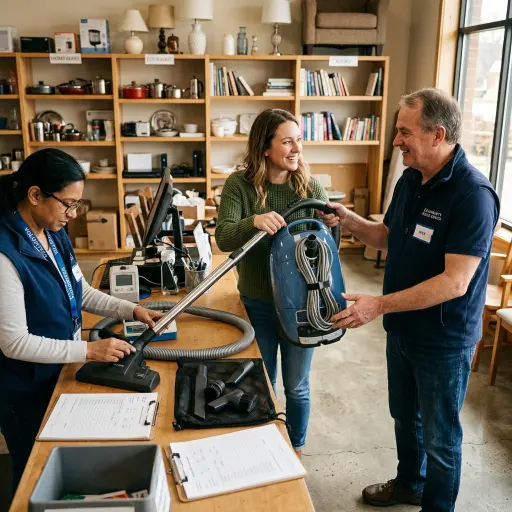
If the vacuum still works, donation can give it a second life and keep a usable appliance out of the waste stream. Consider:
- Charity shops: Some charitable organizations accept working household appliances.
- Community groups: Local exchange groups and community platforms can connect working appliances with people who need them.
- Repair and training programs: Repair shops, vocational programs, or community workshops may accept old vacuums for parts or practical training.
Clean the vacuum and make sure it is safe to use before donating it. If it has a damaged power cord or another electrical safety issue, disclose the problem rather than presenting it as a working appliance.
4. Check manufacturer or retailer recycling programs
Some vacuum manufacturers and retailers offer recycling, trade-in, or take-back programs for old appliances. Check the manufacturer’s website or contact the retailer before disposing of the vacuum. Program availability, eligible models, fees, and drop-off locations can vary. If a trade-in program is available, an old vacuum may also qualify for a discount or other incentive toward a replacement.
5. Use municipal bulk-waste or scrap services
If the vacuum is broken and cannot be repaired or accepted by an e-waste program, check your local waste authority for other disposal options.
Depending on local rules, these may include:
- Bulk-waste collection: Some municipalities collect small appliances through scheduled household waste services.
- Scrap metal recyclers: Facilities that accept electrical appliances may recover metals from motors, wiring, and other components.
- Specialized appliance recyclers: Some recyclers accept damaged or non-working vacuum cleaners and separate their recyclable materials.
Do not dismantle the vacuum unless the recycling facility specifically instructs you to do so. Motors, wiring, batteries, and other components may require separate handling.
6. Choose the right disposal method
The best disposal method depends on the vacuum’s condition and the recycling options available in the area. A working vacuum can often be donated or reused. A broken unit may be better suited to an e-waste, appliance, or scrap recycling facility.
Cordless models with rechargeable batteries may require additional battery disposal steps. Before putting an old vacuum in the trash, check local requirements. Proper disposal can recover useful materials and reduce unnecessary waste.
Conclusion
Disposing of an old vacuum cleaner responsibly does not always mean throwing it away. If it still works, consider donating or reusing it. If it is broken, check local e-waste, appliance recycling, or waste collection services that can handle it properly.
Taking a few minutes to choose the right disposal method helps recover useful materials, reduce unnecessary waste, and keep electrical components out of the regular waste stream.
Source