
 08. June 2026
BENEFITS OF PROPER WASTE DISPOSAL IN RESIDENTIAL AREAS.
Every household produces some form of waste daily, ranging from food leftovers and packaging materials to plastic containers and more. However, the way waste is managed impacts residents. Understanding the benefits of proper waste disposal in residential areas helps homeowners and tenants make informed decisions that improve the quality of life for everyone in the neighborhood.
What is proper waste disposal?
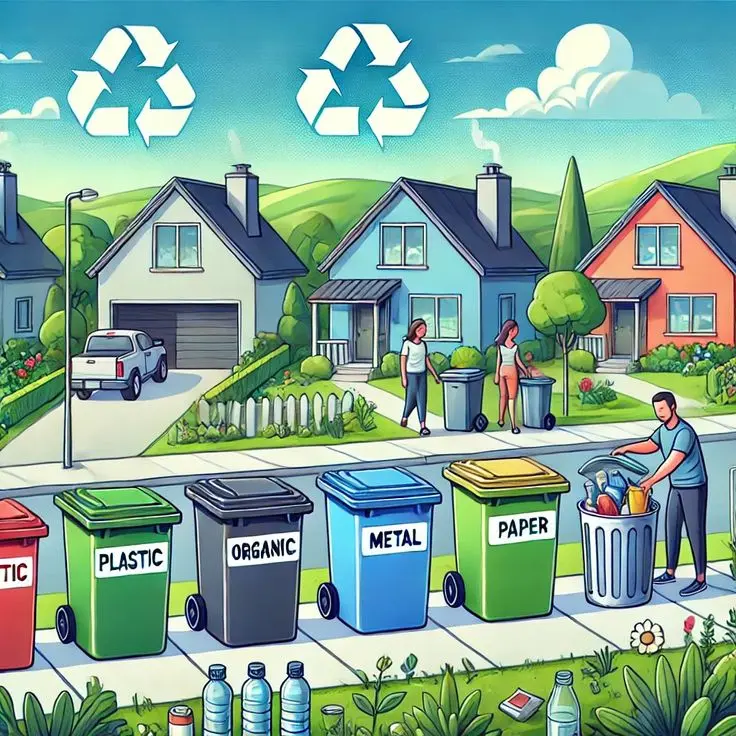
Proper waste disposal is the organized process of collecting, separating, treating, and disposing of domestic waste to minimize the risk of harm to individuals and the environment. It entails separating recyclable and reusable items from regular waste products, composting organic waste, safely disposing of hazardous waste, and utilizing waste collection systems, among other practices.
Key benefits of proper waste disposal in residential areas
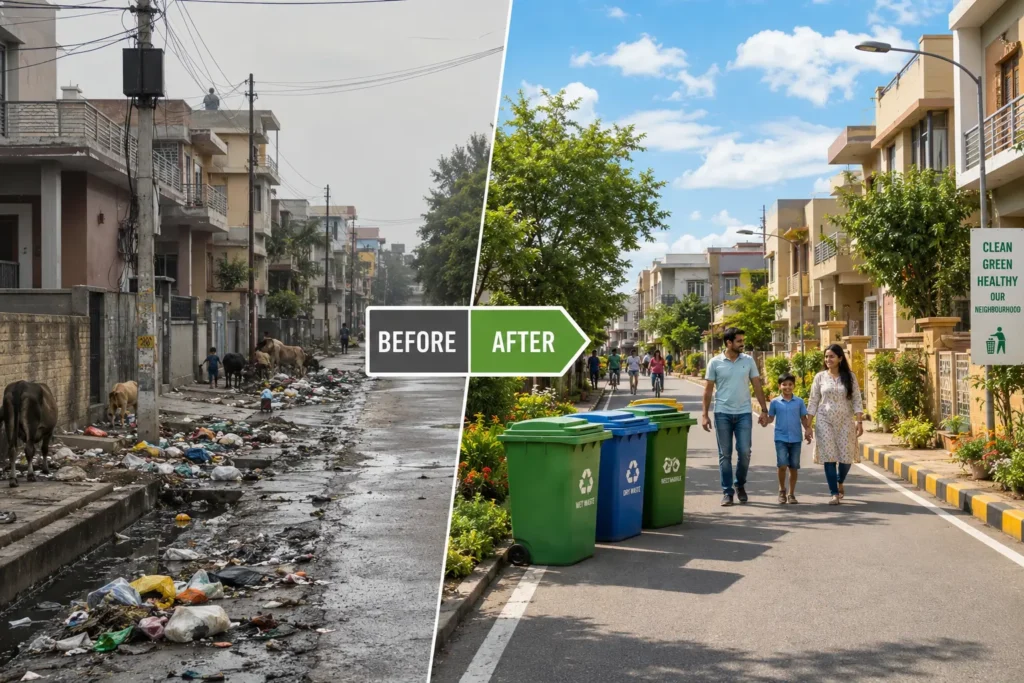
Key benefits of responsible waste management in residential areas:
1. Public health protection and disease prevention
Communities that manage waste responsibly generally experience fewer sanitation-related illnesses, particularly among vulnerable groups such as children and older adults.
Poor waste management can contribute to the spread of water-borne and vector-borne diseases such as cholera, typhoid, and malaria. Accumulated waste creates breeding grounds for insects and rodents, while improperly disposed refuse can release pollutants that seep into the soil or wash into nearby water sources during rainfall.
Proper waste disposal discourages insects and rodents by removing food sources and habitat. Using covered waste containers and ensuring timely collection helps keep pest populations under control and reduces the need for costly pest-management measures.
2. Better air and water quality
An advantage of proper waste management practices is the protection of the environment and ecosystems. If there is improper disposal of garbage, rainfall can transport harmful substances directly into the drainage, rivers, and underground water used by the community as a source of water. It is reported by the UN and environmental agencies that about 80 percent of marine pollution results from land-based activities, mostly from improperly handled residential waste.
Proper handling of residential waste prevents these harmful substances from entering water resources. It also eliminates foul odours caused by decomposing waste, thereby improving overall air quality and creating a healthier living environment. Additionally, waste management ensures that there is no open burning, which produces harmful particulate matter that pollutes the air.
Separation of plastics, metals, glass, and paper at home reduces overall waste sent to landfill sites. Food waste and gardening waste should be composted to ensure that they do not end up in waste disposal sites. This will decompose anaerobically, producing methane, which is a potent greenhouse gas. These sustainable waste management practices make every household a participant in environmental protection.
3. Preventing drainage blockages and flooding
Effective household waste management helps keep drainage systems clear, reduces the risk of flooding, and improves overall environmental cleanliness in residential communities.
Poor waste disposal is a major cause of blocked drainage systems in urban residential areas. Plastics, food packaging, and other household waste often find their way into drains, where they accumulate and restrict the flow of water. During heavy rainfall, these blockages can lead to flooding, property damage, and the formation of stagnant water that poses additional health risks.
4. Safety and Property Values
Residential communities with effective waste disposal systems are generally safer, more organized, and healthier for residents. From an economic perspective, cleanliness also influences property value. Clean, well-maintained neighbourhoods are more attractive to buyers and tenants, which can positively affect rental and real estate prices. Effective waste management therefore helps preserve and enhance property value over time.
Conclusion
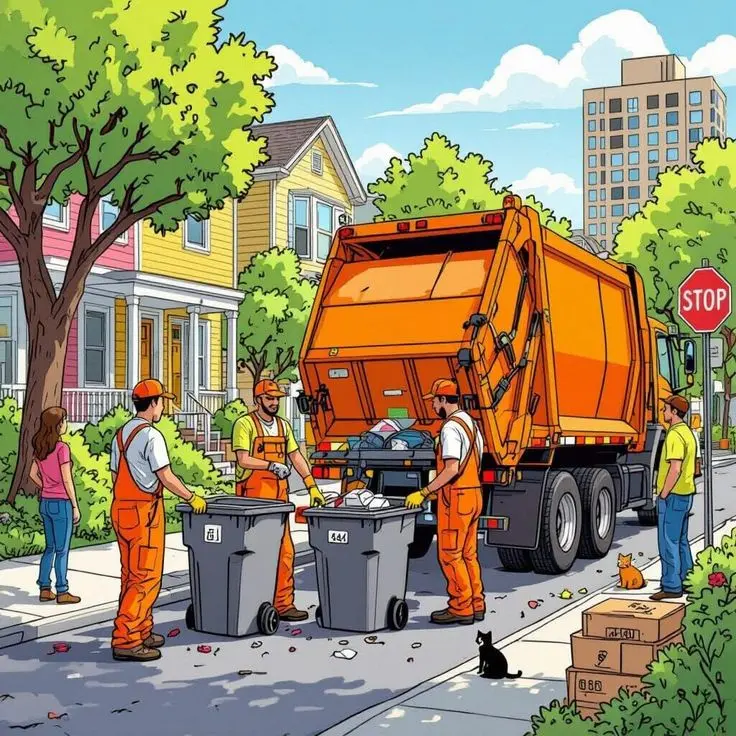
Waste management is important for keeping communities safe and clean. This practice helps prevent disease transmission and environmental pollution. Waste management makes communities more attractive and can also increase property value. Good waste management has its advantages everywhere.
Sources