 19. May 2025
4 Best Kitchen Practices for Ensuring Child Safety
Every year, 160 thousands of children are injured in kitchen-related accidents, ranging from minor burns to serious cuts or poisoning. As the heart of the home, the kitchen is a space for food creativity, but without proper precautions, it can pose significant risks to young ones. Parents can create a secure environment where children learn and participate without hazards by implementing structured safety measures. Let’s walk through some child-friendly guidelines.
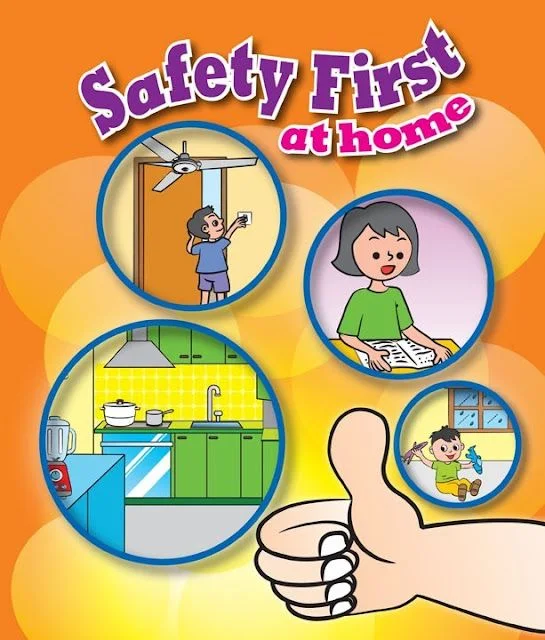
1. Establishing a Safe Kitchen Environment
A secure kitchen begins with deliberate organization and proactive hazard prevention. Follow these steps to reduce risks:

- Secure sharp objects: Store knives, scissors, and graters in locked drawers or high cabinets.
- Balance heavy items: Keep pots, appliances, and glassware away from counter edges to prevent tipping.
- Use childproofing tools: Store sharp utensils in locked drawers or high cabinets. Use magnetic knife strips (placed high up) or blade guards.
- Manage cords and outlets: Secure loose appliance cords (blenders, toasters) with cord shorteners or clips to avoid tripping hazards. Keep cords away from water sources (sinks) to reduce electrical risks.
By systematically addressing these risks, parents can create a foundation for safer exploration.
2. Active Supervision and Age-Appropriate Involvement
No safety measure replaces attentive adult supervision. Always monitor children in the kitchen, especially near stoves, hot liquids, or sharp tools. To balance safety with learning:
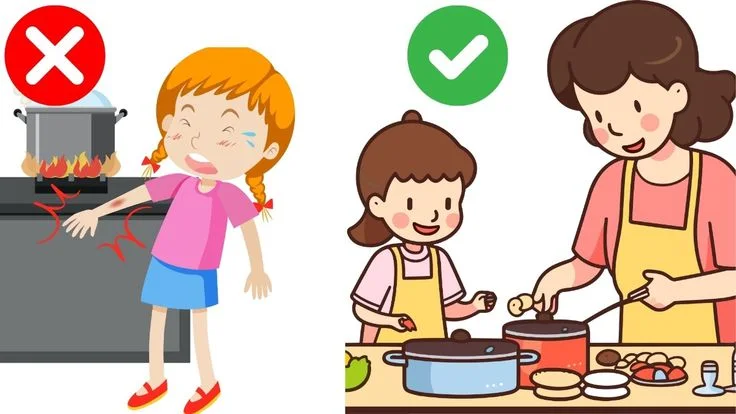
- Young children (Ages 2-5): Involve them in simple tasks like washing vegetables or mixing cold ingredients.
- Older children (Ages 6+): Gradually introduce supervised knife skills (e.g., cutting soft foods with a butter knife) and stove use.
This phased approach builds confidence while reinforcing safety habits.
3. Preventing Burns and Scalds
Hot surfaces and liquids account for many childhood injuries. Mitigate risks with these steps:

- Cook mindfully: Use back burners and turn pot handles inward.
- Set temperature limits: Adjust water heaters to 120°F (49°C) to prevent scalding.
Consistent modeling of safe behavior helps children internalize precautions.
4. Emergency Preparedness
Even with precautions, accidents can happen. Ensure readiness by:
- First aid: Keep a stocked kit and learn basic wound/burn care.
- Fire safety: Test smoke detectors monthly and store a fire extinguisher nearby.
- Emergency drills: Teach children to call for help and practice “stop, drop, and roll.”
Conclusion
A child-safe kitchen blends preparation, education, and vigilance. By childproofing hazards, supervising actively, and teaching age-appropriate skills, parents can transform the kitchen into a space of safe discovery. These practices not only prevent accidents but also nurture a lifelong respect for cooking safety and responsibility. See our articles on child safety.