 26. November 2026
HOW TO PREVENT WOODEN FURNITURE FROM SWELLING IN HUMID WEATHER.
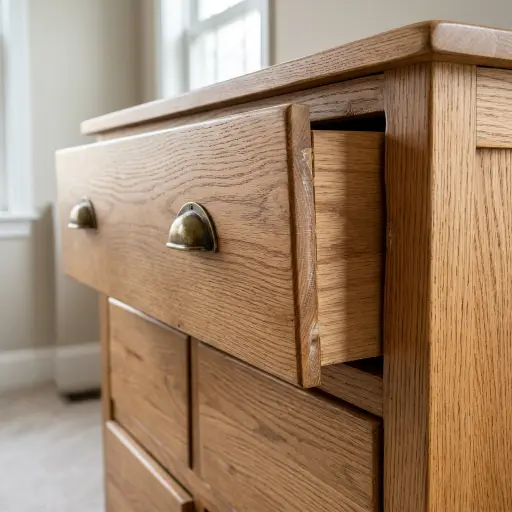
Wood absorbs and releases moisture from the surrounding air. When humidity rises, it absorbs moisture and expands. This can cause drawers to stick, doors to misalign, tabletops to warp, and wood joints to weaken. The problem is particularly common during prolonged rainy weather and in poorly ventilated rooms.
6 ways to prevent wooden furniture from swelling
1. Control indoor humidity
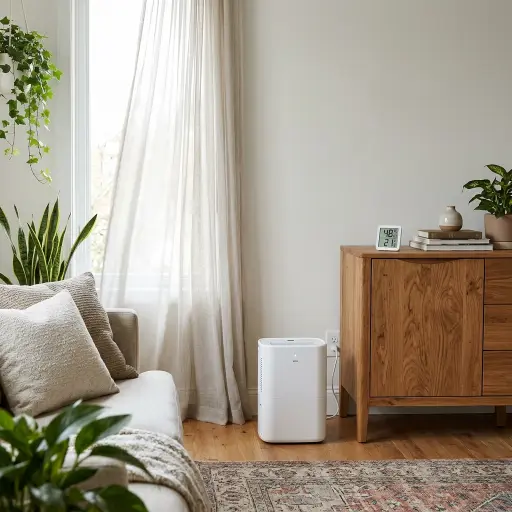
Keeping indoor humidity stable reduces the amount of moisture wood absorbs and releases. Aim for approximately 40%–55% relative humidity where practical, and avoid prolonged levels above 60%.
- Use a dehumidifier: Run one during humid weather to remove excess moisture. Set a target humidity level rather than running it continuously.
- Monitor moisture levels: Place a digital hygrometer in the room to track humidity and identify persistent damp conditions.
- Use air conditioning appropriately: Air conditioning can remove moisture while cooling a room. However, excessively dry conditions can cause wood to shrink, crack, or develop gaps.
2. Keep furniture away from damp walls and floors
Furniture placed against damp walls or directly on wet floors can absorb moisture, even when the rest of the room feels comfortable.
- Leave a small gap between furniture and walls to allow air circulation, particularly along exterior walls.
- Avoid placing wooden furniture near leaking windows, plumbing, or areas where condensation regularly forms.
- Use furniture risers where floors become damp, especially under wardrobes, cabinets, and wooden bed frames.
3. Protect wood with appropriate finishes
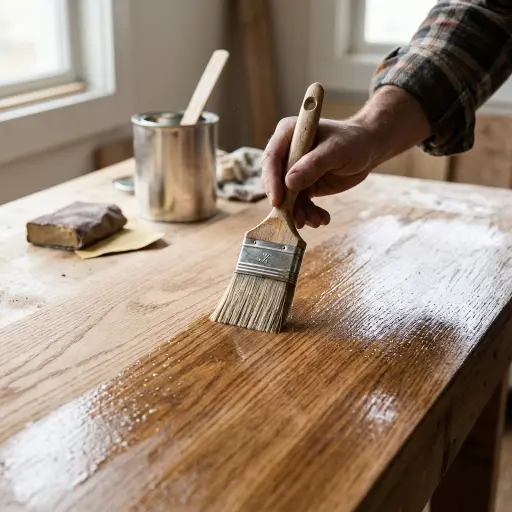
Protective finishes slow moisture exchange between wood and the surrounding air. Varnish, lacquer, and polyurethane create protective surface films, while oils penetrate the wood and provide varying levels of moisture resistance depending on the product.
- Inspect furniture for worn finishes, scratches, and exposed wood.
- Refinish damaged areas with a product compatible with the existing finish.
- Protect exposed edges of MDF and particleboard with suitable edge banding or sealant, as these areas readily absorb moisture.
Finishes slow moisture absorption but do not make wood completely waterproof or prevent natural expansion and contraction.
4. Improve air circulation without introducing excess moisture
Poor airflow allows moisture to accumulate around furniture, particularly inside wardrobes, cabinets, and rooms with limited ventilation.
- Use ceiling or pedestal fans to keep air moving around furniture.
- Open wardrobe and cabinet doors periodically to ventilate enclosed spaces.
- Open windows when outdoor air is relatively dry, but keep them closed during rain or when humid air is entering the room.
Air circulation helps reduce stagnant, damp conditions but does not replace dehumidification when indoor humidity is high.
5. Keep wooden surfaces dry during cleaning and daily use
Water left on wooden surfaces can penetrate protective finishes, cause discoloration, and contribute to swelling. This is particularly problematic for unfinished wood and engineered furniture.
- Dust with a dry microfiber cloth.
- If using a damp cloth, wipe the surface dry immediately.
- Avoid harsh cleaning chemicals that can damage protective coatings.
- Use coasters under drinks and keep wet towels, umbrellas, and clothing off wooden furniture.
6. Allow new furniture to acclimatize
Wooden furniture can experience moisture-related movement when transferred between environments with significantly different humidity levels, such as an air-conditioned showroom and a humid home.
Allow newly delivered furniture to adjust to the room’s conditions before placing it tightly against walls or filling drawers and cabinets. Maintain reasonably stable indoor conditions and avoid exposing the furniture to direct sunlight, damp floors, or intense air-conditioning airflow during this period.
Conclusion
Preventing wooden furniture from swelling in humid weather requires controlling indoor humidity, reducing moisture exposure, maintaining protective finishes, and allowing adequate airflow. These measures help limit wood movement, protect joints, and prevent drawers, doors, and panels from becoming difficult to use.
What steps do you take to protect your wooden furniture during humid weather? Share your tips in the comments.
Sources: