 16. October 2026
HOW TO PREVENT MILDEW ON FURNITURE: PROVEN CONTROL METHODS.
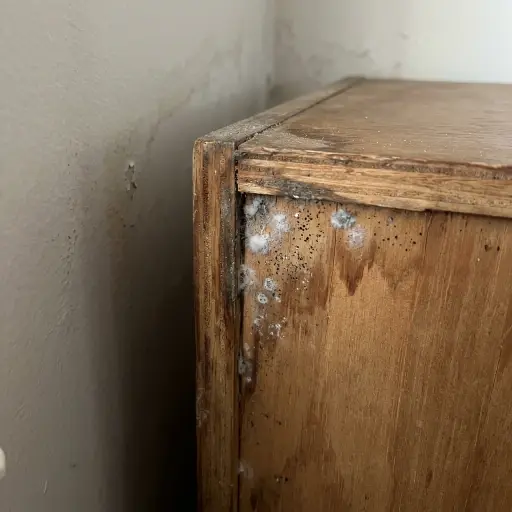
Mildew develops when moisture, fungal spores, and poor ventilation create suitable conditions for growth. It is a type of mold that typically appears as a flat, powdery or downy patch. Although mildew and other molds may look different, both can discolor furniture, damage wood finishes, paint, and protective coatings, and cause musty odors. Preventing mildew on furniture requires controlling moisture, improving airflow, and maintaining proper cleaning habits.
Key methods for preventing mildew on furniture
The following methods help reduce mildew growth and protect different furniture materials from damage:
1. Control indoor humidity
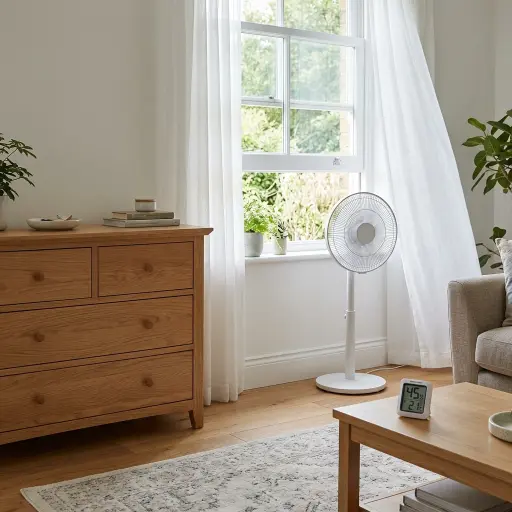
High humidity encourages mildew growth. Ideally, maintain indoor relative humidity between 30% and 50% using a dehumidifier or air conditioner when necessary.
A digital hygrometer can help monitor moisture levels, but if one is unavailable, watch for signs of excess moisture, such as condensation on windows, damp walls, or a persistent musty smell. Open windows when outdoor conditions allow, improve airflow, and fix leaks promptly to reduce dampness.
2. Improve airflow around furniture
Poor airflow can trap moisture behind furniture and inside enclosed spaces.
- Leave space between furniture and walls: Keep large furniture approximately 2 to 4 inches (5 to 10 cm) away from exterior walls.
- Reduce moisture after cooking and bathing: Use kitchen and bathroom exhaust fans if available. Otherwise, open windows or doors when outdoor conditions allow to let humid air escape. Wipe wet surfaces dry to prevent moisture from building up.
- Improve air circulation: Use ceiling or standing fans to reduce stagnant air, alongside dehumidification when needed.
- Keep vents clear: Avoid blocking air vents with furniture.
Regularly inspect furniture backs and undersides for dampness, discoloration, or musty odors.
3. Keep storage spaces dry
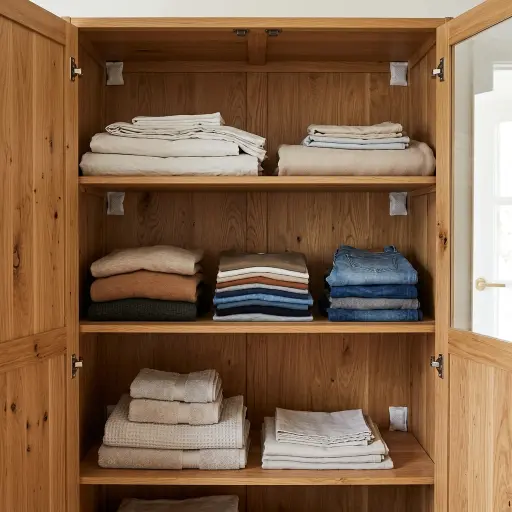
Wardrobes, drawers, and cabinets can trap moisture, especially when overcrowded:
- Store only completely dry clothing, bedding, and cushions.
- Leave enough space between stored items for airflow.
- Use silica gel packets or moisture absorbers in wardrobes, drawers, and cabinets. Place the packets in corners or near items that need protection, keeping them away from children and pets. Replace or reactivate them according to the manufacturer’s instructions. For larger spaces, use a moisture absorber designed for enclosed storage areas and follow its usage instructions.
- Inspect storage areas regularly for dampness and mildew.
Moisture absorbers can help in small spaces but cannot replace proper ventilation or repairs to leaks.
4. Clean and maintain furniture properly
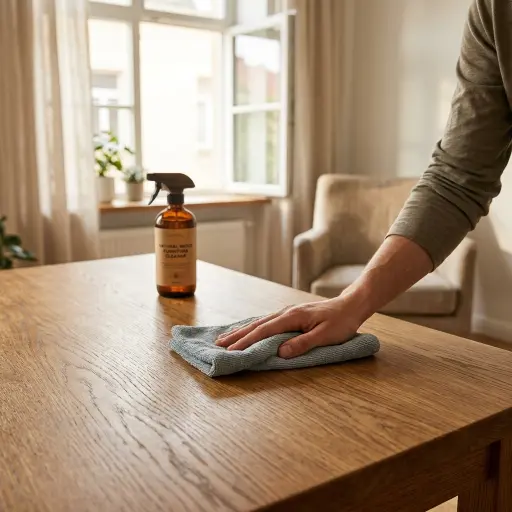
Dust can contribute to mildew growth when moisture is present. Clean furniture regularly using products suitable for each material:
- Wood: Dust regularly, clean with a product compatible with the finish, and dry thoroughly. Consider sealing unfinished wood with a suitable protective product.
- Upholstery: Vacuum regularly, blot spills promptly, and avoid soaking fabric. Allow it to dry completely before use.
- Leather: Use a compatible leather cleaner and conditioner as recommended by the manufacturer. Wipe away moisture promptly.
Always check the manufacturer’s care instructions before applying cleaning products.
5. Address mildew promptly
If mildew appears, identify and fix the moisture source before cleaning the affected furniture. For small areas of surface mildew, use a cleaning method suitable for the material. Avoid dry brushing, excessive scrubbing, and indiscriminate use of bleach or vinegar, as these can damage furniture finishes and fabrics.
Wear appropriate protective equipment and ventilate the room during cleaning. Seek professional help if mildew covers a large area, penetrates upholstery, returns repeatedly, or leaves persistent odors.
Conclusion
Preventing mildew on furniture requires consistent moisture control, good airflow, and regular cleaning. Maintain indoor humidity between 30% and 50%, keep furniture dry, ventilate storage spaces, and address leaks promptly to protect furniture from mildew damage.
Have you ever dealt with mildew on your furniture? Share what worked for you in the comments below!
Sources