 28. September 2026
HOW TO PREVENT ELECTRICAL OVERLOADS AT HOME: ESSENTIAL SAFETY TIPS.
Electrical overloads are a situation where a number of electrical appliances consume more electricity than a circuit can handle. They can cause an electrical circuit breaker to trip, damage electrical wiring, and damage electrical appliances. In addition, they can contribute to an electrical fire outbreak, causing severe damage to a house. Being aware of the causes of overloaded circuits may prevent this dangerous situation from arising.
Practical strategies for home electrical safety
These simple practices can help reduce the risk of overloaded circuits:
1. Spread out high-wattage appliances
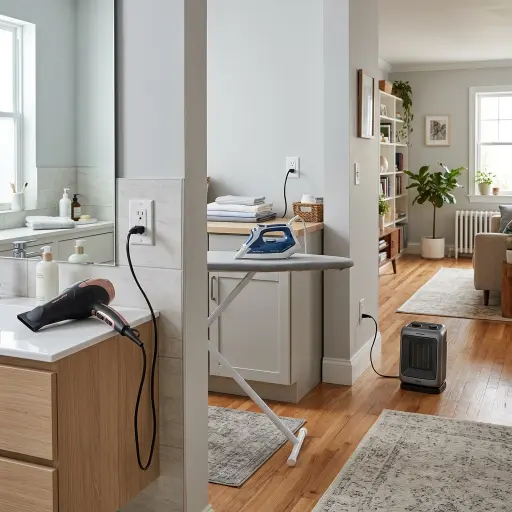
Appliances such as space heaters, hair dryers, irons, and other high-wattage devices can place a significant load on a circuit. Using several of them on the same circuit at once can cause an overload. Distribute high-wattage appliances across separate circuits where possible, and avoid running multiple high-power devices from the same outlet or circuit simultaneously.
2. Avoid misusing extension cords and power strips
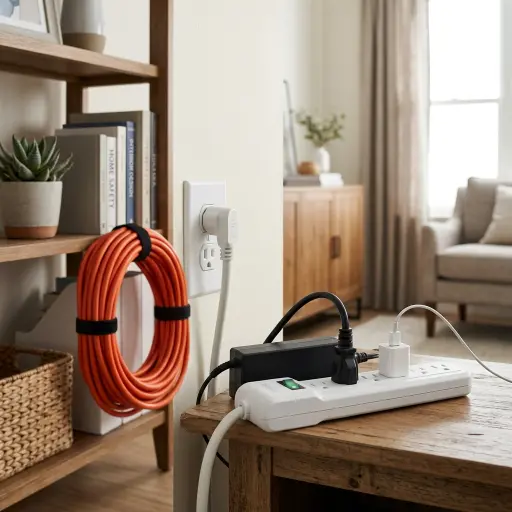
Extension cords and power strips are intended for limited, temporary use and should not replace permanent household wiring. Avoid connecting multiple power strips or extension cords together, as this can overload the circuit and increase the risk of overheating or fire. High-wattage appliances should generally be plugged directly into a suitable wall outlet. Check the manufacturer’s instructions and the power strip’s rating before connecting multiple devices.
3. Upgrade outdated electrical panels and wiring
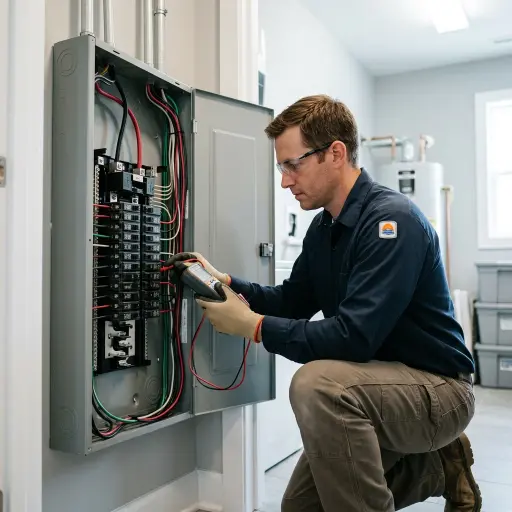
Older electrical systems may not be designed to handle the power demands of modern appliances. Frequent breaker trips, flickering lights, buzzing sounds, or warm outlets can indicate an electrical problem that requires attention. If your home has an outdated electrical panel or wiring, have a licensed electrician inspect the system. They can determine whether an upgrade is necessary and ensure the electrical system can safely handle your household’s needs.
4. Unplug unused electronics and appliances
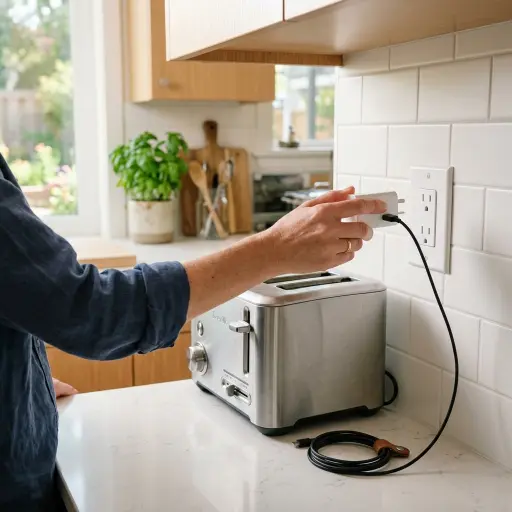
Many electronic devices consume a small amount of electricity while plugged in, even when they are turned off or in standby mode. Unplugging devices that are not needed can reduce standby energy use and help keep unnecessary equipment from remaining connected to the electrical system. Unplug chargers, kitchen gadgets, and other electronics when they are not in use, particularly when leaving home for an extended period.
Conclusion
Preventing electrical overloads at home starts with responsible power usage and a properly maintained electrical system. Spread out high-wattage appliances, use extension cords and power strips correctly, and have outdated wiring or electrical panels inspected by a licensed electrician. These practical steps can reduce electrical hazards and help keep your home’s power system safe and reliable.
Sources